
In the Age of Looks: How Can Furniture Design Win Over Young People?
As young, well-educated groups gradually become the main consumers of the office furniture market, “good looks” have become the primal driving force for attracting young customers. So many furniture brands keep launching office furniture with novel styles and appealing colors to cater to today's prevailing youthful demand.
At its root, what ultimately keeps young people is “talent” — substance; “good looks” are only a powerful “door-knocking brick.” So, facing varied aesthetic standards in an ever-changing technological era, how can office furniture stand out in the “lookism economy” and be truly both attractive and high-quality?
First: Office furniture can also go viral and strike young people's hearts
In today's materially abundant society, young people like furniture with good looks — behind that lies their emphasis on emotional experience.
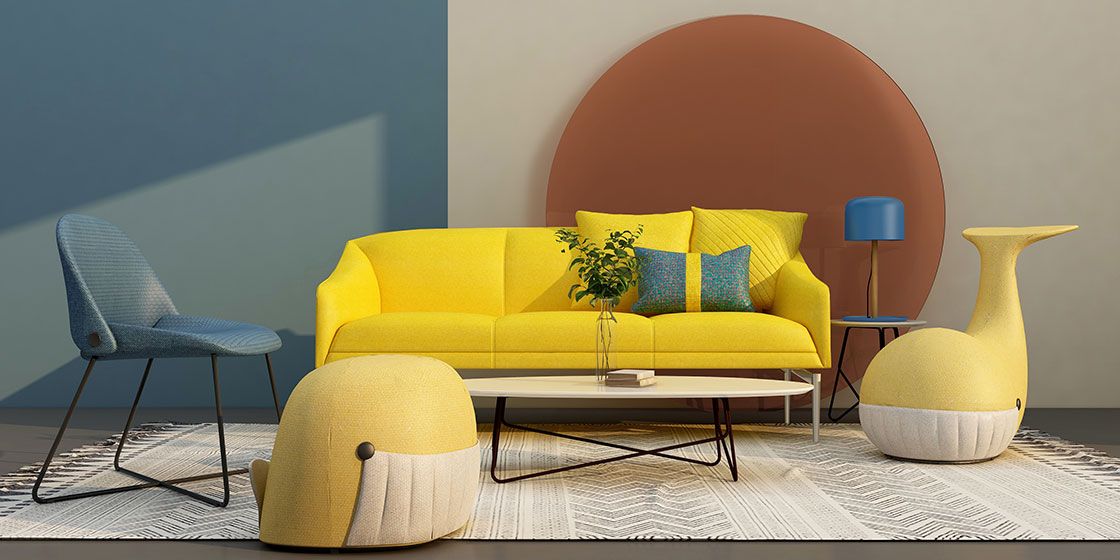
Nowadays, the internet has catalyzed young people's enthusiasm for crossover design. This is a new opportunity for furniture to ride the “lookism economy”: design aesthetics that break out of the box and cross-cultural collisions help young people escape real work pressure and enjoy the fun of working. Take Yihang's Sam Whale Sofa: inspired by a whale leaping out of the water, it lets land-based furniture meet ocean creatures — office furniture young people love, great for snapping photos during leisure time.
Second: Segment young consumers and serve them precisely
Today, furniture styles are endlessly varied and constantly renewed. But for users, only what fits is best. Therefore, furniture design must segment the young consumer group — by age bracket, profession, lifestyle, and other dimensions — and precisely launch furniture that appeals to young people.
Take the post-90s as an example: avant-garde, individualistic, and eager for novelty, they will prioritize trendy space styles such as industrial and Instagram styles. Furniture design should seize these keywords rather than blindly following the so-called “mainstream” of the market, designing from the standpoint of precise service.
Third: Empower with creativity — develop interactive office furniture
In fact, beyond the playful, challenge-loving young people, most office workers cannot stand dull, rigid furniture. Even if it looks good when first bought, over time “familiarity breeds boredom.” So modular, convenient furniture is a direction worth serious consideration.
For example, wall-mounted shaped screens, sofas that can be freely placed and combined, one-piece multi-functional furniture… with these, furniture makes people and space truly interactive — everyone can create fresh office spaces according to their own aesthetics and ideas.
Fourth: Home-style furniture design to match young people's work modes
Although hybrid work has not yet taken off in China, with the rise of emerging industries, more and more companies support flexible work, so among young people, the share of “working from home” hours and people is gradually growing.
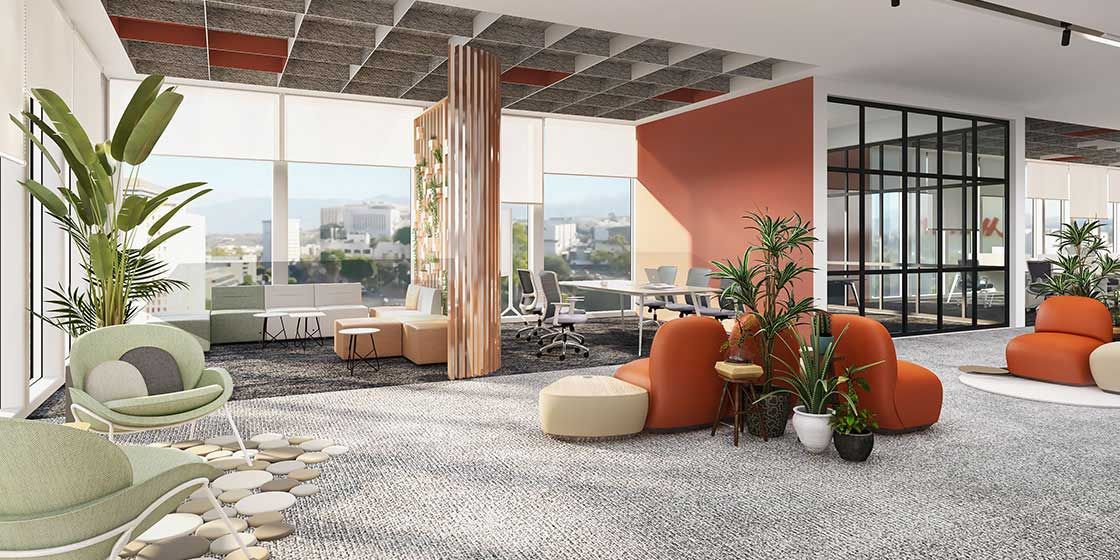
Home-style furniture brings young people the same ease they feel at home, releasing pressure from their working state and helping them better adapt to flexible, ever-changing work modes. At the same time, home-style furniture also suits the young freelancers who make up part of this group. We believe that in the future, bringing office furniture home will gradually become the norm.
Summary: The rise of the lookism economy stems from the upgrading of consumer groups' work needs. Therefore, Yihang believes that for office furniture to truly reach young people's hearts, it must start with looks and end with quality. Achieving this requires furniture brands to look ahead and dig deep into the characteristics of young customer groups.
You may also like
European Designer Interview: Uncovering the Fun of Office Furniture
Read More
How Can Companies Strengthen Their Immunity in a Pandemic?
Read More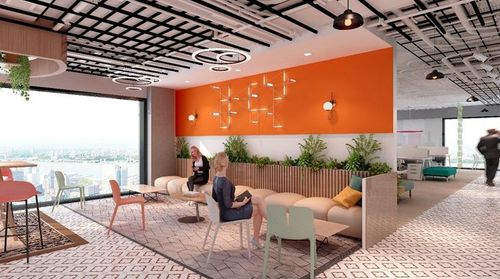
Inclusive Office Design: Optimizing Furniture for Happiness
Read More