
Inclusive Office Design: Optimizing Furniture for Happiness
When we discuss office design, the most common topics include employee satisfaction, efficiency, and collaboration. As technologies such as smart connectivity, 5G, and big data reshape businesses and employees, more and more offices are leaning toward flexible office furniture configurations and creative designs that focus not only on corporate efficiency and culture, but also on employee well-being.
But does your office meet the standards of inclusive design? Is your office furniture suitable for everyone — does it take employees' different needs into account and create a convenient, pleasant space for each of them? Office design that considers all employees has always been a hot topic. When companies encourage team diversity, creating an inclusive office environment with diverse office furniture is essential.
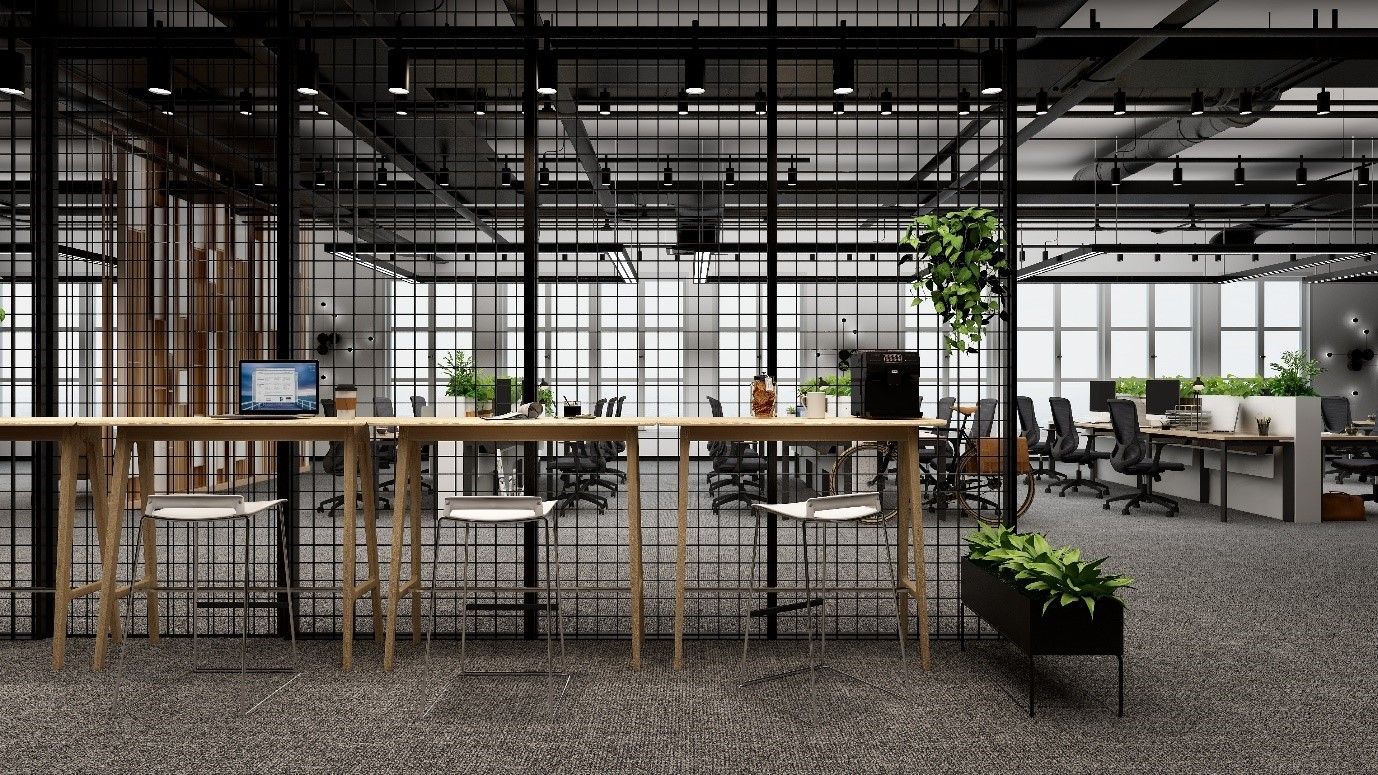
What is inclusive office design?
Inclusive design is a key principle of public space design: it promotes the full functioning of everyone in a space through good design. In office design, inclusive design should provide equal access and opportunity regardless of variables such as age, gender, nationality, personality, and hobbies. Respecting employees' individual differences and making them feel welcomed and encouraged allows more and more people to benefit from the design.
Making the office environment meet the needs of as many users as possible and improve everyone's experience makes inclusive design genuinely challenging. Designing an inclusive office environment requires attention not only to employees' physical differences, but also to differences in working styles and psychological factors.
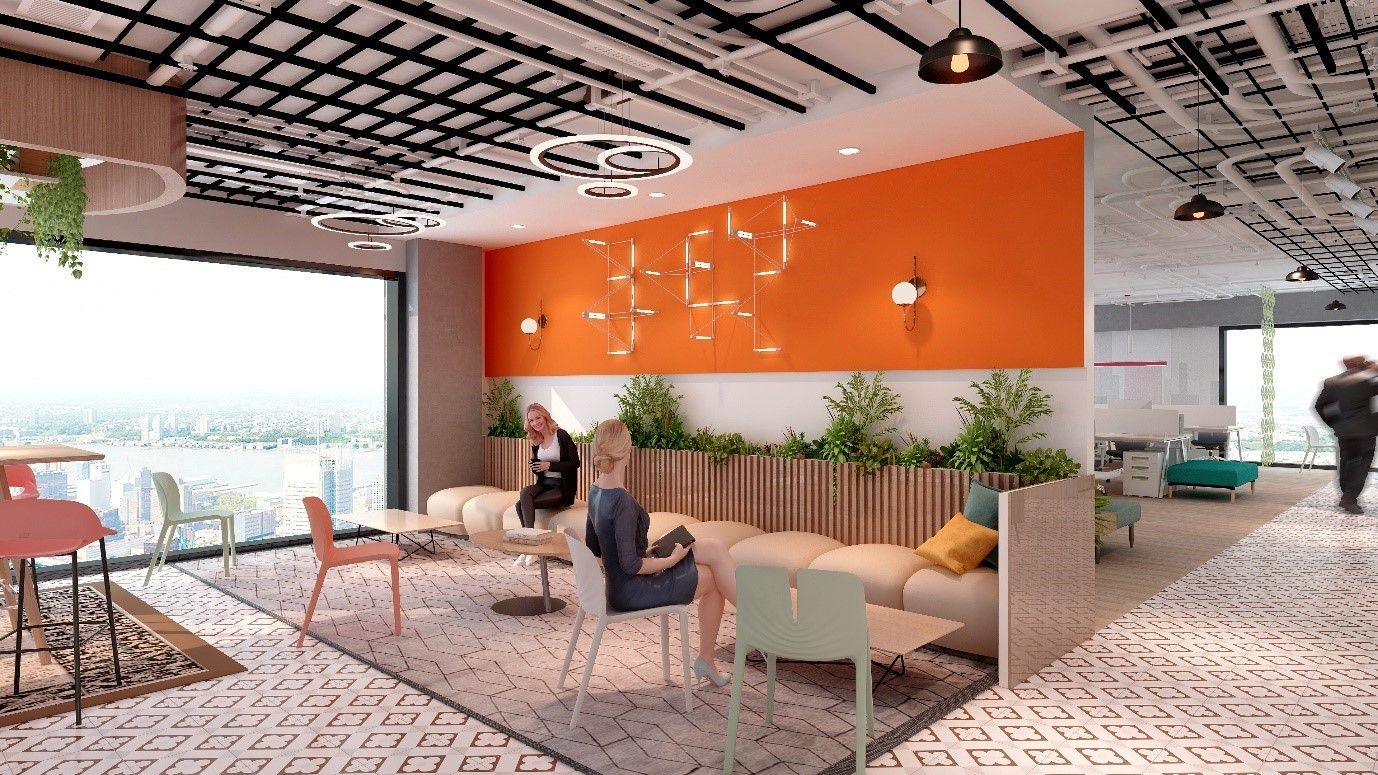
How to achieve inclusive office design?
In this article, we will discuss some ideas and steps to help you create an appealing and inclusive office design, and share rich office furniture pairing experience to suit employees' personalities and needs.
Open-plan offices
Open-plan offices help promote collaboration, build relationships, and save costs. For people who use wheelchairs or have limited mobility, fewer doors and circulation paths kept wide with office furniture make it easier for them to get around. There should be enough space around desks and in meeting rooms so that people with limited mobility have room to move freely.
Flexible, adaptable layouts
Open-plan offices may not suit everyone. To meet as many needs as possible, provide flexible layouts equipped with different types of workstations and office furniture that accommodate employees' unique ways of working... Such layouts include a complete solution of private spaces, collaboration zones, and lounge areas.
People first
Any inclusive design solution should put people first, giving employees a voice through design. Whether you are upgrading the entire office or shaping one particular space within it — even down to the choice of office furniture — talking with employees in advance to learn what suits them best often gets you twice the result for half the effort.
To get the best results from your team, create a safe and open environment where everyone has a voice. Every employee is a unique individual who wants the company to value their needs and embrace their personal style.
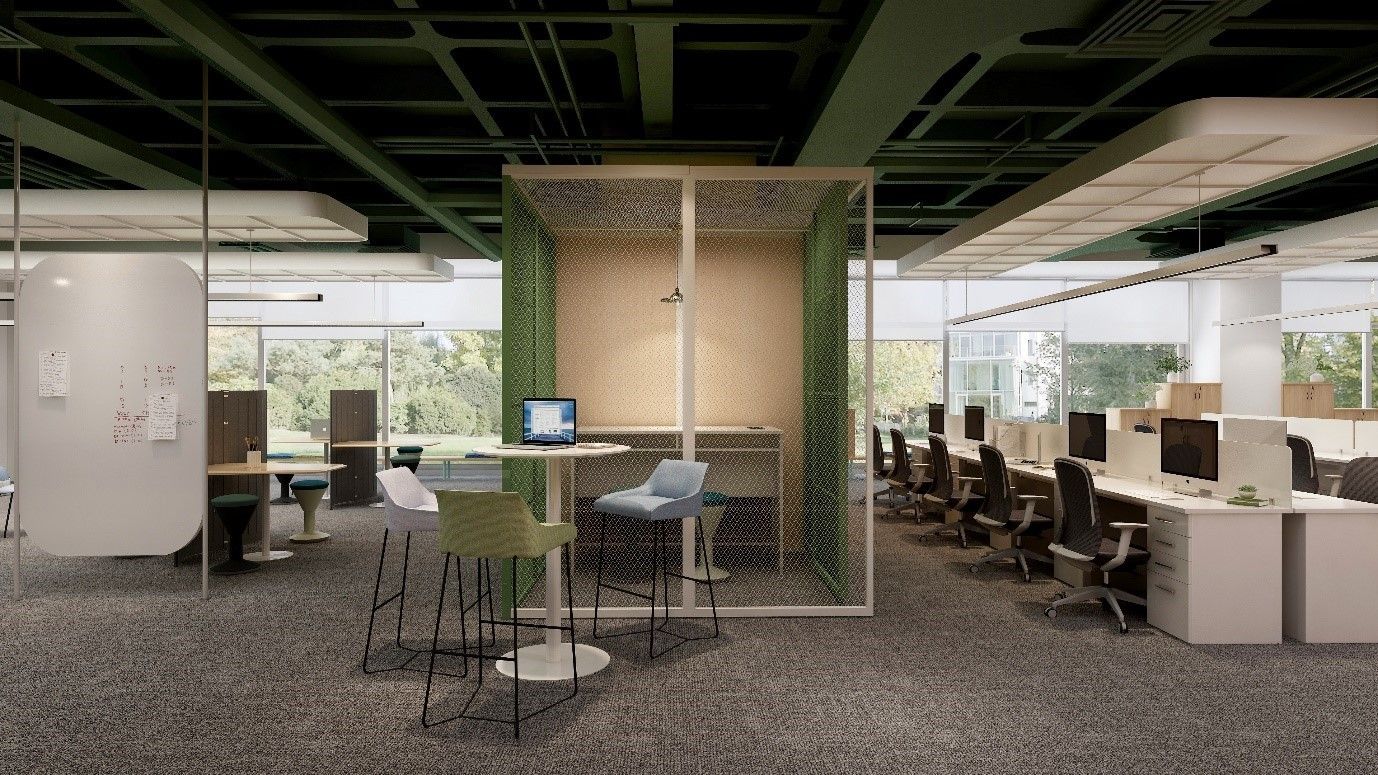
Create communal areas
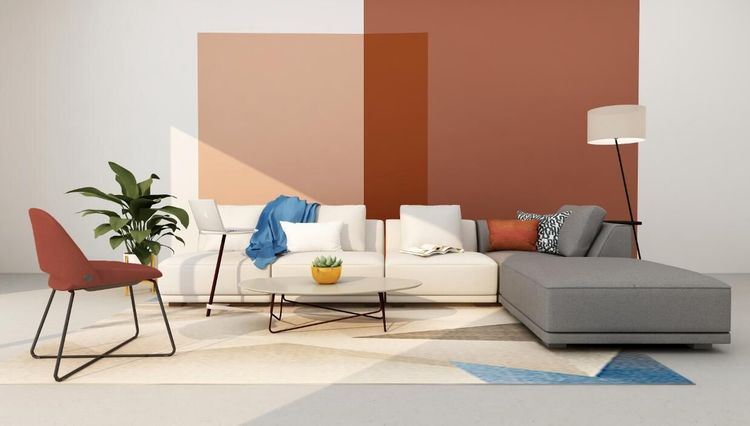
An office is not only a place to work, but also a place for interaction, engagement, and communication. Set up welcoming communal areas in the office where employees can relax and talk with one another. Comfortable sofas, coffee tables, and other office furniture help create a pleasant atmosphere. When employees feel valued, they become more engaged with the office environment and their work.
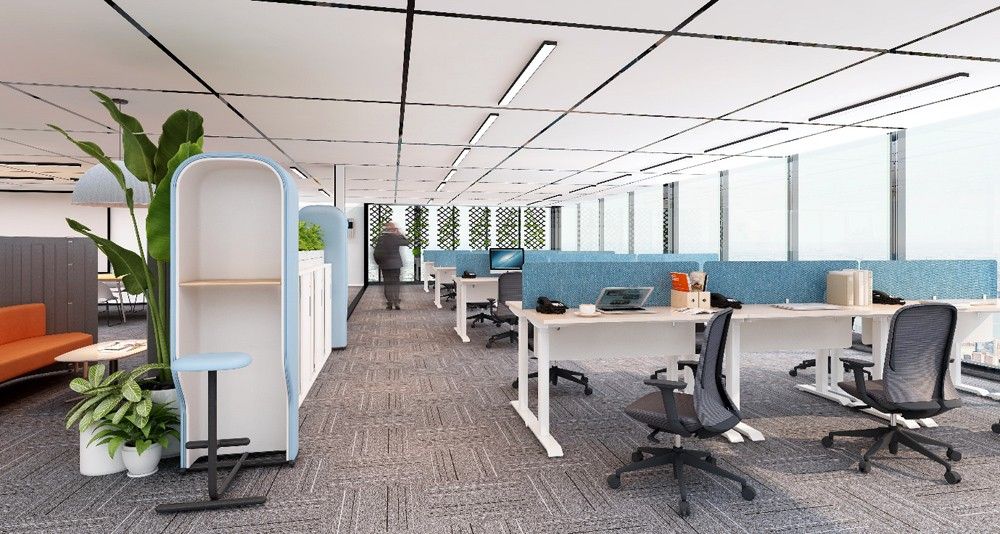
Ergonomic, agile workstations
To boost employee well-being, healthy office furniture is a great choice. Height-adjustable desks, for example, can adapt to everyone's needs simply by changing height. Ergonomic office chairs make every employee feel comfortable — an investment not only in employee health, but also in productivity.
More suggestions and ideas
- Incorporate plenty of natural light and biophilic elements to relieve work stress
- Implement acoustic solutions in areas troubled by noise
- Replace stairs with ramps
- Choose smart office furniture to help visualize employee health
You may also like
A Fresh Office for a Complex Era
Read More
After the Pandemic: How to Choose Healthier Office Furniture
Read MoreChampioning Formaldehyde-Free Offices: Yihang's Healthy Work Mission Upgraded
Read More