Healing Office Workers' Obsession with Symmetry in Design
The recently released Chinese animated film Jiang Ziya topped the box office with 357 million yuan, setting records for the best opening day and best single-day gross for an animated film. In the post-credits scene, the protagonist's obsessive-compulsive personality left a deep impression on audiences.
In real life, everyone has a touch of OCD to a greater or lesser degree. We each have our own rules for how things should be ordered, needing constant tidiness, regularity, and symmetry — and a single "irregular little thing" in daily life can drive us crazy! Hence the birth of many designs that heal OCD.
When it comes to spatial design, China has long had a refined feel for it.
As the ancient saying goes: "That which is beautiful is harmless above and below, inside and outside, big and small, near and far — therefore it is called beautiful." True beauty lies in balance everywhere. Classical poetry has always prized neat parallelism, and spatial design embodies the beauty of symmetry at every turn. The Forbidden City is designed with strict symmetry: centered on a central axis, the buildings on both sides mirror each other in perfect order.
Symmetry fills our lives as well — from the display design of an independent space to the design of a single product, OCD-healing symmetry is hidden everywhere.
How do you design an office space that satisfies the OCD mind without looking overly rigid?
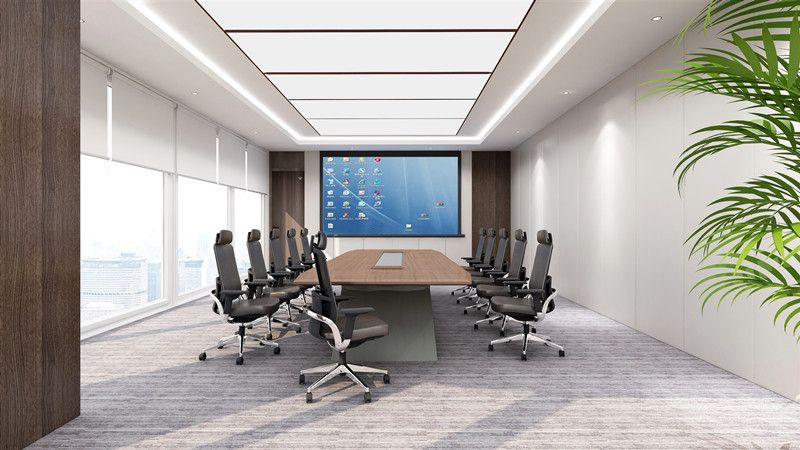
1. Hide the central axis
Through furniture placement, create a hidden central axis and use the direction of solid blocks to build a sense of symmetry. Compared with blunt thin lines, block forms feel softer.
2. Choose furniture with a simple style
In office spaces, furniture with a simple style and understated colors wins wider acceptance than elaborately designed pieces. For example, lounge sofas and modular sofas used for reception and rest in public areas, with their clean lines and refreshing block forms, are always customer favorites. Yihang's Hua (Flower) Series symmetric sofa is a case in point: as a best-selling modular sofa, it is simple yet bright, solving the problem of "pleasing every taste".
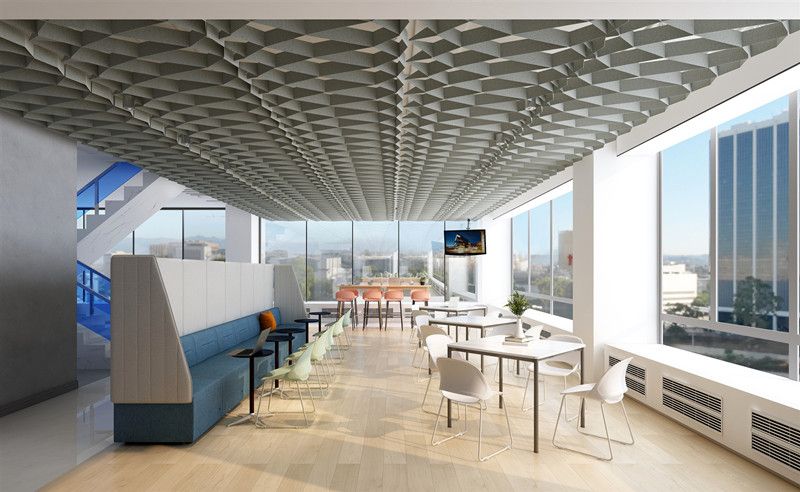
3. Reflect "pairs" in the space
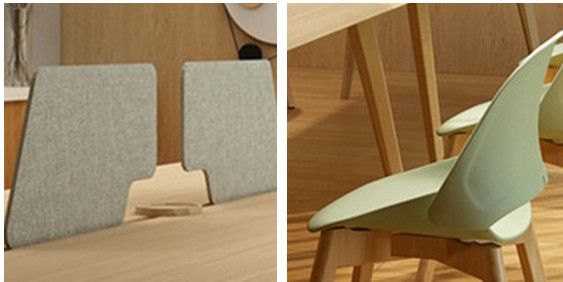
The number of furniture pieces, decorative choices, table legs, cabinet doors... every detail can incorporate "pairs". It is often the attention to detail that best achieves "symmetry". Take Yihang's Jason Series symmetric screen: two matching felt screens are designed within one area, giving it more design flair than a single-panel screen.
4. Use furniture in the same color family
To create a healing atmosphere, give priority to a single color family for the space. Low-saturation colors better suit the character of a casual space. Keeping the natural wood grain of the furniture's raw materials adds natural elements; biophilic furniture choices can bring unexpected comfort to a space.
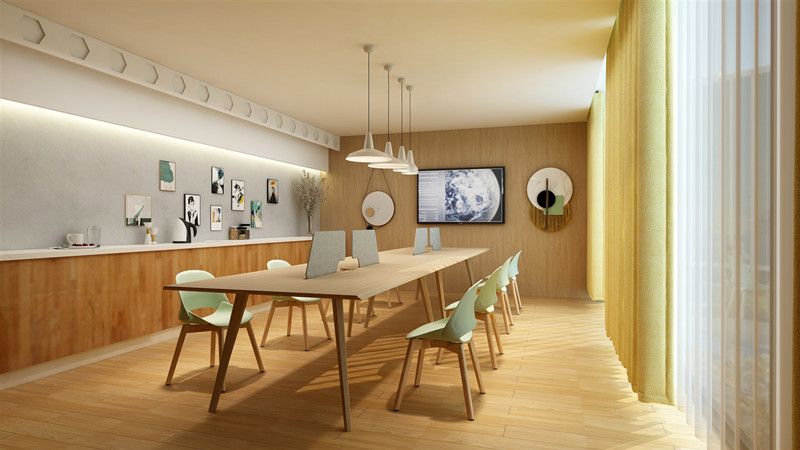
5. Choose furniture with hidden symmetric design
Choose furniture with a hidden flair for "symmetry" — different from the seriousness of overall uniformity, it highlights the beauty of symmetry all the more. Seemingly simple furniture can add plenty of fun to a space through its unique design.
Take this Yihang lounge chair: the distinctive duck-bill design of the seat cushion and backrest embodies not only biomimetic design, but also a distinctive symmetric beauty.
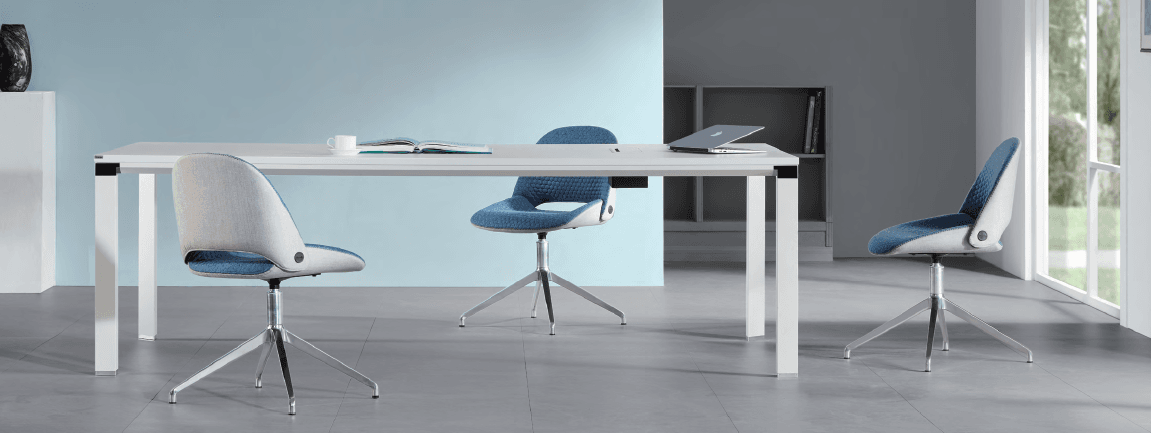
And this U Series armchair, launched by Yihang in autumn, reveals symmetric beauty in every detail.
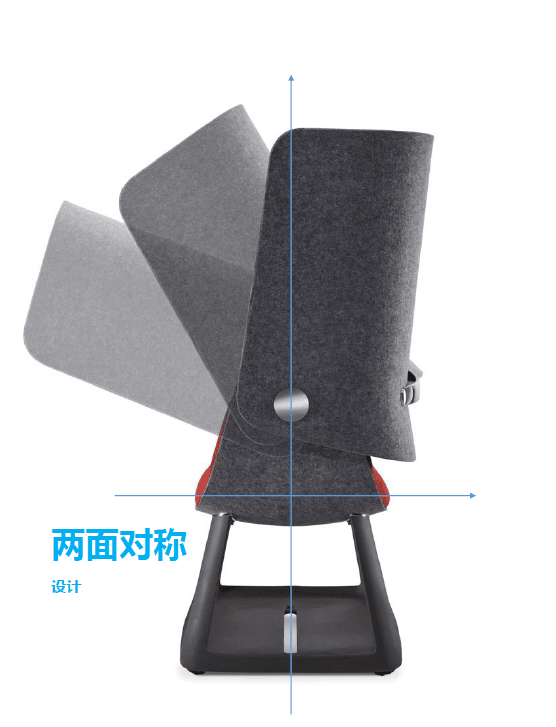
Transformed from the shape of a "sail", it was created by a designer living near the Baltic Sea, who endowed a sofa with freedom and poetry. Thanks to its symmetric seat design, the sail's rise and fall enables a multi-functional seating experience. In this sofa, you see not only the beauty that symmetry brings, but also the functionality it empowers.
Healing OCD can start with a deceptively simple lounge sofa or a tea-room design!