
Textbook Renovation! Five Tips for Choosing Small-Office Furniture
Co-working, mobile working, hybrid working… the pandemic has transformed traditional work models, while emerging industries rising like bamboo shoots after rain have catalyzed many startups. As a result, incubation parks and entrepreneurship bases centered on small offices have become commonplace. So how can office furniture make a small space waste-free? For the challenge of choosing furniture for small offices, here are five tips.
1. Furniture that fits your brand positioning
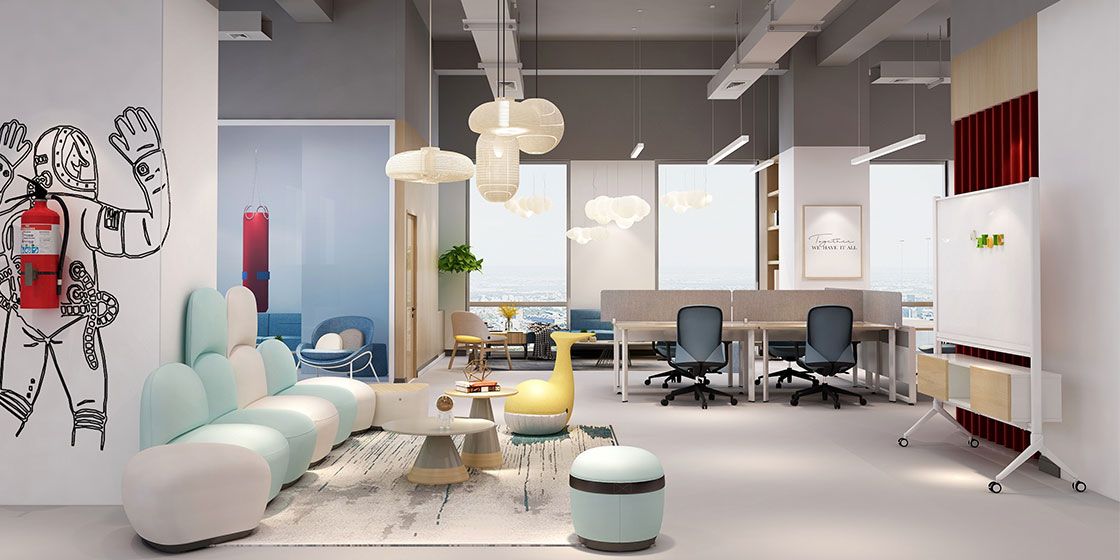
For many startups, making a deep, good impression on visitors and applicants is the first step of growth. But a small office cannot set aside an independent showroom or reception room to introduce the company culture. Office furniture is the brand brochure most able to touch people's hearts — the carrier that creates your brand impression at first sight, so partners remember you instantly.
If you can't find furniture on the market that meets your requirements, consider brand customization based on the message you want to convey. Yihang professionally customizes office furniture, delivering professional space solutions based on your on-site space and style needs.
2. Furniture with simple color schemes
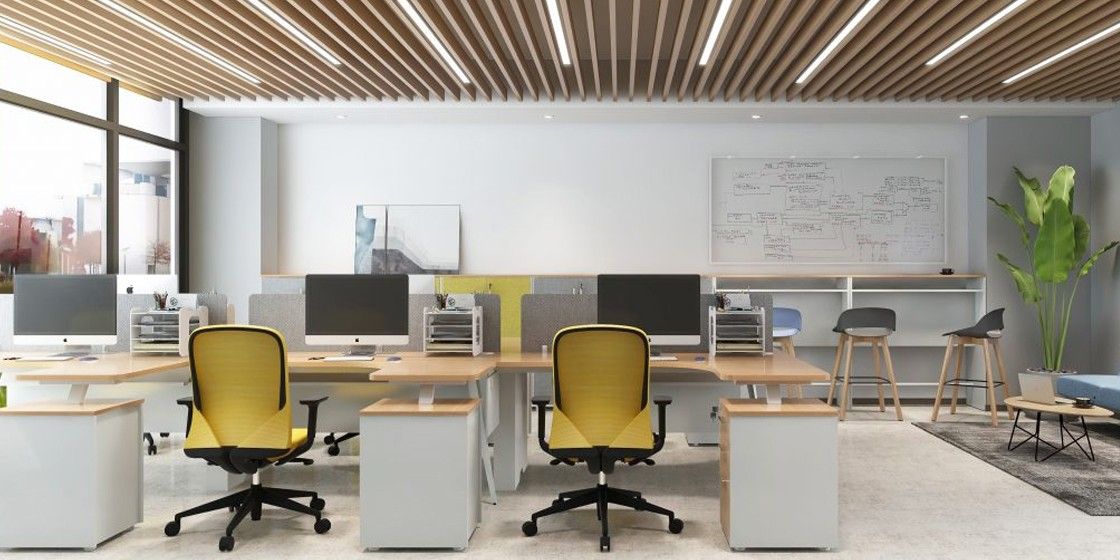
As we all know, color can adjust the atmosphere of a space, attract or redirect attention, and change the perceived size of a space. Good use of color in office furniture not only helps beautify the environment but also relieves employees' stress and improves work efficiency.
Small offices should make good use of outdoor daylight to keep the space airy and bright. When choosing furniture, follow the principle of simple color schemes — this effectively avoids the visual clutter caused by piles of furniture in many different colors.
3. Storage furniture
In a small office, even a little clutter feels highly intrusive. When the office is small, choosing furniture with storage is a wise move.
Slide-out keyboard trays, storage drawers, built-in shelves, and overhead storage racks… such furniture makes it easy for employees to reach office items while leaving enough room to move, effectively compressing the footprint and making the office truly waste-free — saving operating costs at the root.

4. Flexible furniture
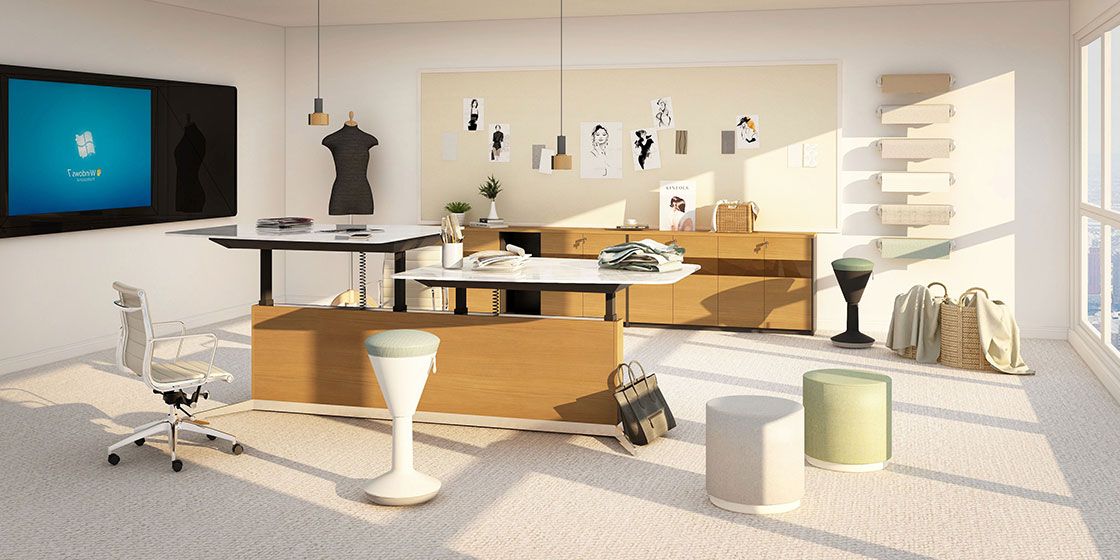
Choose furniture that can be flexibly moved or recombined, so employees can adjust their workstations according to work plans rather than being confined to one specific office.
We can create flexible work areas in unused meeting rooms, and with the help of furniture, switch any work area into meeting mode at any time — making communication easier and collaboration more efficient, giving employees a truly diversified work mode and empowering the space with multi-dimensional office needs.

5. Stress-relieving furniture
Working in a small office inevitably feels more oppressive than in other workspaces, and over time this affects employees' physical and mental health. So it's important to give employees an outlet for relaxation — but how do you overcome the hard limitation of a small floor area?
Choosing stress-relieving furniture can help you find ways to raise employees' comfort and happiness index. Fresh color schemes, playful styles, sit-stand capability… these creative pieces all help employees decompress effectively. Take Yihang's Chelsea office chair: its 360-degree rocking function gives sitters a micro-movement sitting experience — work and leisure, both at once.
Fit-out design is indeed easily limited by office size, but that doesn't mean a small office can't carry your own creative ideas. Used wisely, office furniture can build a small yet exquisite office.
You may also like
Inclusive Office Design: Optimizing Furniture for Happiness
Read More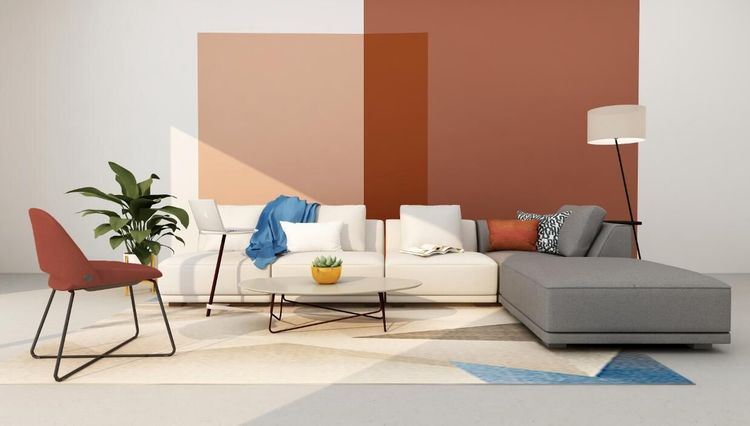
A Fresh Office for a Complex Era
Read MoreChampioning Formaldehyde-Free Offices: Yihang's Healthy Work Mission Upgraded
Read More