Essentials: Four Considerations When Choosing Smart Office Furniture
With the growth of the Internet of Things and an increasingly young workforce, smart office furniture is becoming the most anticipated kind. What is smart office furniture? It is furniture that uses modern digital information processing technology to help office workers get through complex tasks efficiently. Because of that intelligence, its functions, structure, and materials all differ from traditional furniture — so the buying playbook differs too. Here is some practical advice on choosing smart office furniture to help companies avoid the traps.
1. Safety
Safety means two things. First, materials: since smart furniture is more multifunctional, its parts are more complex. A height-adjustable desk, for example, has lifting columns, a controller, a handheld remote, frame, side panels, cable trays, feet, casters, and more — plus electrical wiring that cannot be ignored. Clearly, compared with a traditional desk, the safety of these hardware components deserves close attention. Second, software: as we rely more and more on smart furniture, more resources and internal company information will be uploaded to its data-collection modules, so information security issues like data loss must also be considered. We strongly recommend choosing a smart furniture manufacturer with solid overall strength, sparing the company later worries during use.
2. Ease of use
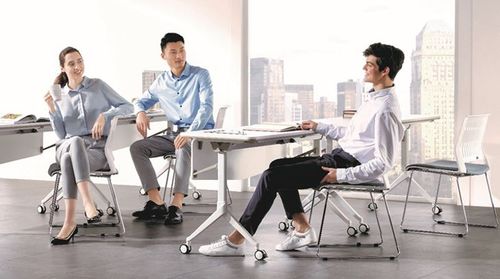
As work speeds up and pressure mounts, office workers' time is more precious, so the second key criterion is ease of use: staff should get the hang of it the moment they open the manual, and the software configuration should simplify rather than complicate. For example, if operating one piece of smart furniture requires downloading several apps and navigating many screens, it effectively adds to employees' workload. Take Yihang's smart furniture: the Antina desk offers touch-free remote control of the desktop's height — freeing up workers' hands and making the experience healthier and more convenient.

3. Human-centeredness
True intelligence is really about building an integrated, ecological relationship between people and products, so smart furniture must go beyond being remotely controlled — it needs to collect information and respond to our commands. Take the standing desk: Yihang's UP1 height-adjustable desk is not only electric but also includes memory presets, letting you set the comfortable heights for sitting and standing. No repeated adjustment needed — one press takes you straight to your preferred height, thoughtful and convenient.

4. Personalization
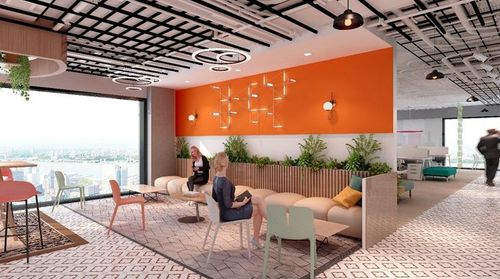
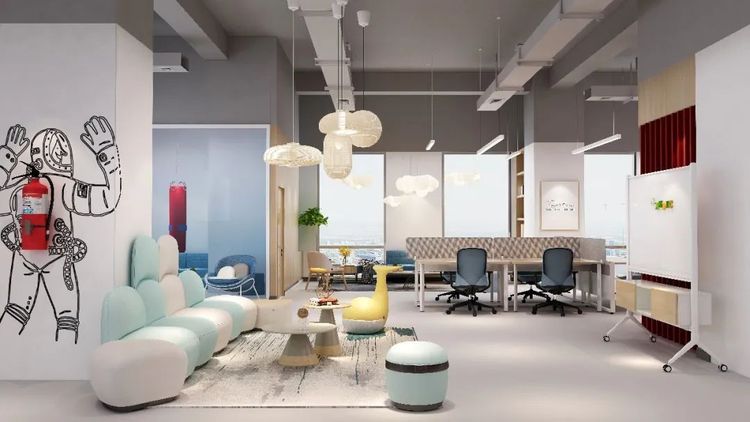
'The furniture industry is fashion's twin.' As smart furniture design philosophy and manufacturing skill improve, only pieces dressed in fashionable style will win over more office workers — especially younger ones. We suggest dropping the traditional black-and-white pairing and trying more vibrant colors; on materials, follow the health-first principle and experiment with new materials, so smart furniture also becomes a medium for expressing company culture and office aesthetics.
In short, the rise of smart office furniture shows that design is shifting from 'serving the masses' to 'focusing on the individual'. Companies, too, should buy smart furniture with a 'people first' philosophy, better helping their talent focus on work and collaborate efficiently — lifting the company's overall effectiveness.