Building a Digital Office: How to Choose Your Furniture
With the internet and AI now widespread, most companies are riding the waves of digital transformation, and employees increasingly expect more efficient, more convenient digital workspaces. So how should you choose office furniture to better support a digital office? Here are some pointers for your reference.
First: furniture with hidden cable management
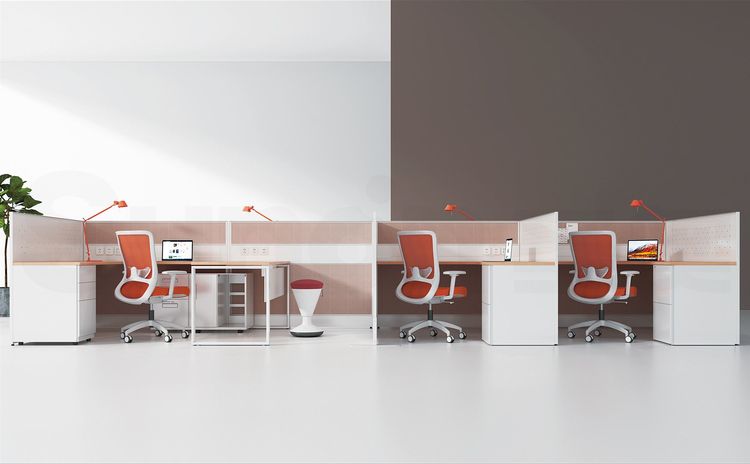
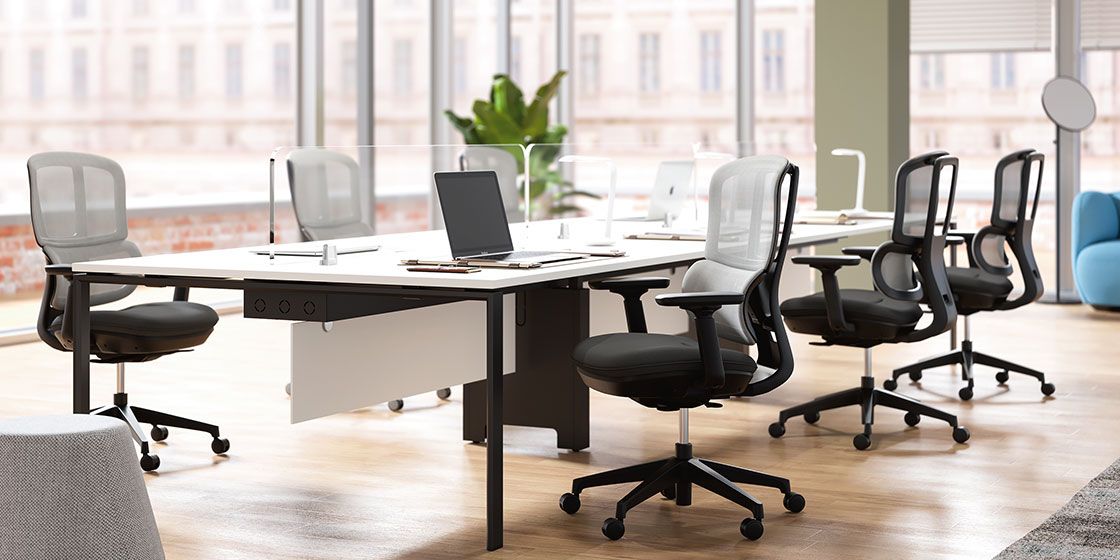
In offices full of digital devices, employees constantly wrestle with cable clutter — and in smaller offices they may literally trip over power cords. Going forward, furniture design will typically hide power cables inside screens or under-desk cabinets, keeping desktops neat and orderly. For mobile working, power routing will change too, with outlets brought up onto the desktop as needed so employees can use laptops comfortably. Yihang furniture is thoughtfully designed here, offering multiple cable-routing options so companies can pick the optimal plan for each situation — employees get a tidier, brighter desktop, and power access becomes safer and easier.

Second: furniture with modular design
In the smart era, companies that want to ride the digital-economy wave must adapt as circumstances change — which means they need flexible enough space to absorb any shift. When a new strategy lands, departments and teams get redeployed, and the size and function of spaces change with them; only modular furniture can flexibly create all these layouts. What does modular design mean? Simply put, furniture is assembled from different components that can be split apart or extended and connected, with simple installation. Even ordinary employees can creatively DIY the furniture to suit the occasion — using space efficiently while giving employees a chance to personalize their workspace and feel more at home. Take desks, for example: movable screens, shared table legs, and extendable desktops are all expressions of modular design.

Third: furniture that relieves work fatigue
In the digital age, most jobs unavoidably involve long hours at the computer, bringing the sub-health problems of prolonged sitting. Ergonomic furniture is likely to claim half the market in the future. Ergonomics means tools designed to fit the body's natural posture as closely as possible. Take Yihang's Hatu H2 chair: its seat features a '3D dynamic dual-back' stepless adjustment system with 10 levels that adapt to each employee's posture, precisely easing the lumbar muscles and spine even without a cushion. Height-adjustable desks also relieve the fatigue of sitting, and we expect more smart desks with memory presets to appear — keeping bodies moving while supporting multi-scenario work modes.
Fourth: furniture suited to open-plan spaces
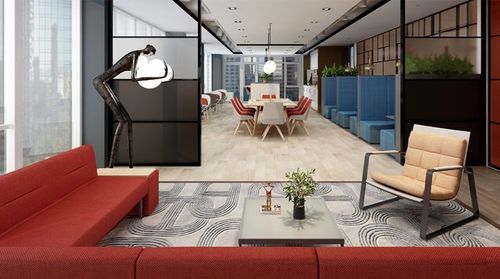
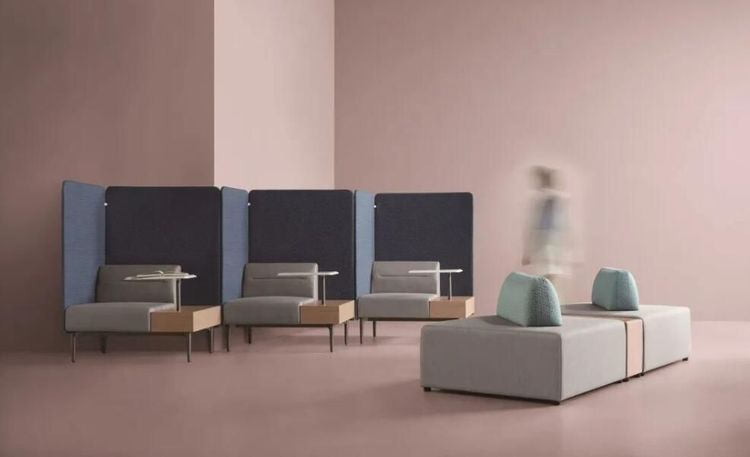
In an era of rapid technological advance, employees use ever more advanced equipment and command ever richer information, so many companies treat 'efficiency and creativity' as the yardstick of office value and build open-plan spaces to match. Furniture that lets employees move freely, think at leisure, and collaborate with each other is popular in these spaces. Unlike traditional office furniture, open-plan furniture is trendier and livelier in style, with fun and leisure built into its functions — think bar-style office setups and movable sofas. For materials, sound-absorbing, noise-reducing options are recommended, helping employees in open spaces overcome office noise and stay focused.

In the future, we will all work amid the digital wave. Only by choosing the right office furniture can we build the ideal digital office — and achieve the ultimate goal of efficient work.