
Office Furniture Trends: Creating Dynamic Learning and Training Spaces
The era of the traditional office and the classroom-style training room is long gone. Entering 2021, offices are catering to a different crowd — people from a new world driven by the internet, smartphones, and other technological innovation. Connection is nearly everything, especially in the office, where people need dynamic training spaces to share ideas and grow professionally.
Companies are driven by change and innovation, and an inspiring training environment creates a competitive advantage for employees and organizations alike. An employee who is engaged and thinks proactively learns and grows quickly. For many companies today, adaptability and learning ability matter even more than specialized skills.
1. Why do we need dedicated learning spaces?
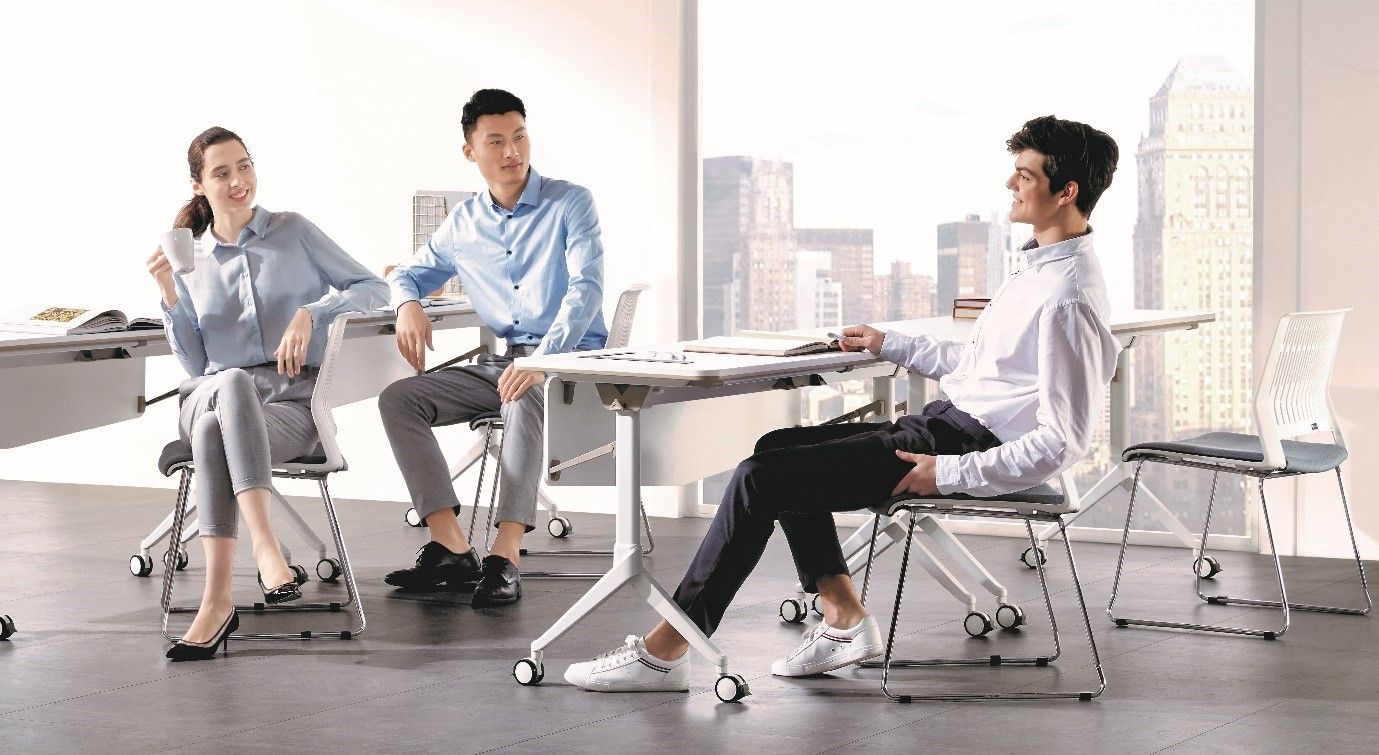
As companies place growing emphasis on talent and innovation, carving out dedicated learning space within the office has become a popular trend. If a company wants to encourage employees to keep upgrading their skills, it needs to create a dynamic learning space through professional office furniture configuration. Employees need to recognize and enjoy the place — that matters a great deal for the company's growth and the individual's growth alike.
Creating a distinctive learning space shows a company's commitment to learning and its culture of encouraging innovation. In such a space, each employee's privacy is fully respected, and employees can break with convention — even challenge the status quo and put forward new ideas — without fear of being judged. Here, the office furniture is flexible, and a quick rearrangement switches from collaboration to discussion.
2. Design ideas for dynamic learning spaces
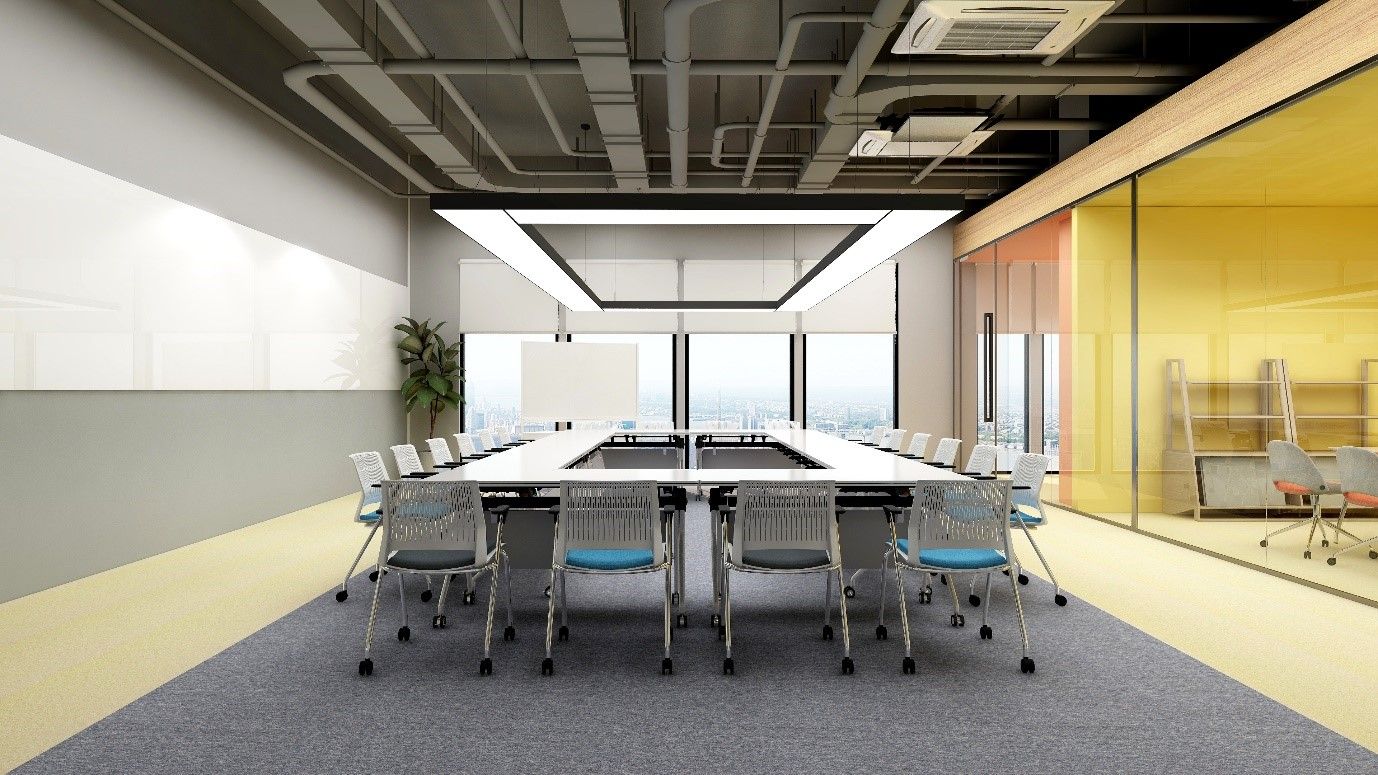
To encourage continuous learning, more and more designers are considering how to integrate formal and informal learning spaces within the office. Their goal is to create an agile space where, through the choice of human-centered office furniture, people can learn, teach, collaborate, and innovate more effectively.
Below, we introduce several ways to create a modern learning space through the smart use of office furniture:
- Movable partition walls
Movable partitions are flexible dividing furniture that can expand or shrink the training space as needed. These partitions usually consist of panels that slide along tracks; they can be fixed in place or even serve as doors.
- The application of acoustic materials
To improve office efficiency, noise control is an essential part of office design. Using acoustic panels and other furniture around meeting or learning areas helps create quiet zones for study. Whether fixed or freestanding, sound-absorbing panels that reduce noise inside meeting rooms or training rooms will promote employee learning.
- Agile office furniture
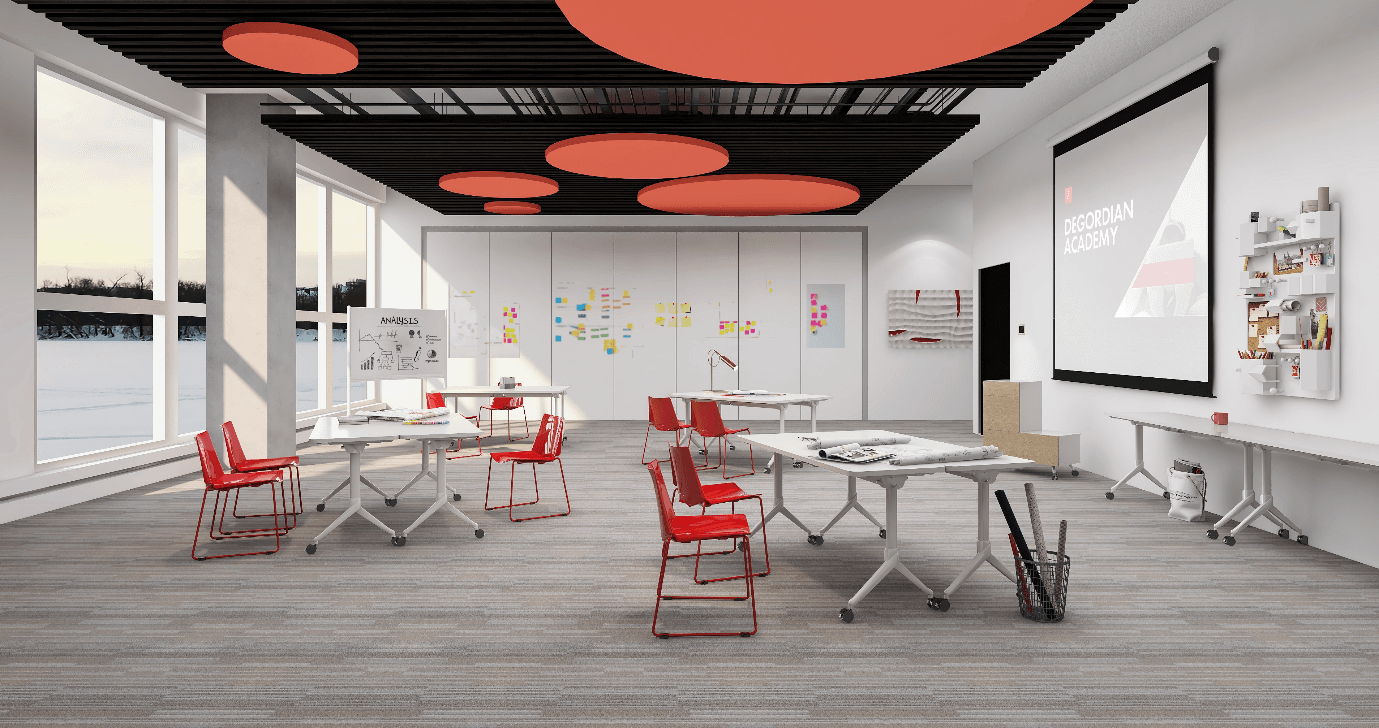
Open spaces and movable lightweight furniture offer more variety in style and type to meet the needs of teams. Tables with wheels or folding worktops, stackable chairs, and screens on casters make it quick and easy to reconfigure meeting and training spaces.
- The application of smart technology
Interactive technology and collaboration software can boost employees' engagement during training. With the support of video conferencing tools and smart office furniture, remote meetings and training become much easier. These interactive solutions allow local and remote participants to communicate with each other and share ideas effectively.
- Proper lighting
To keep participants highly engaged, maintaining the right lighting in the training room is important. Use natural light whenever possible; if that isn't feasible, try to balance natural and artificial lighting with environmentally friendly, healthy lighting solutions.
- Decoration and color
Traditional learning spaces have transformed into more open, flexible environments. Appealing soft furnishings and spatial design can inspire employees, and a sensible color scheme can stimulate their brains. When sitting in a learning space, these lively elements influence thinking, and comfortable office furniture helps people commit more fully to learning.
Summary
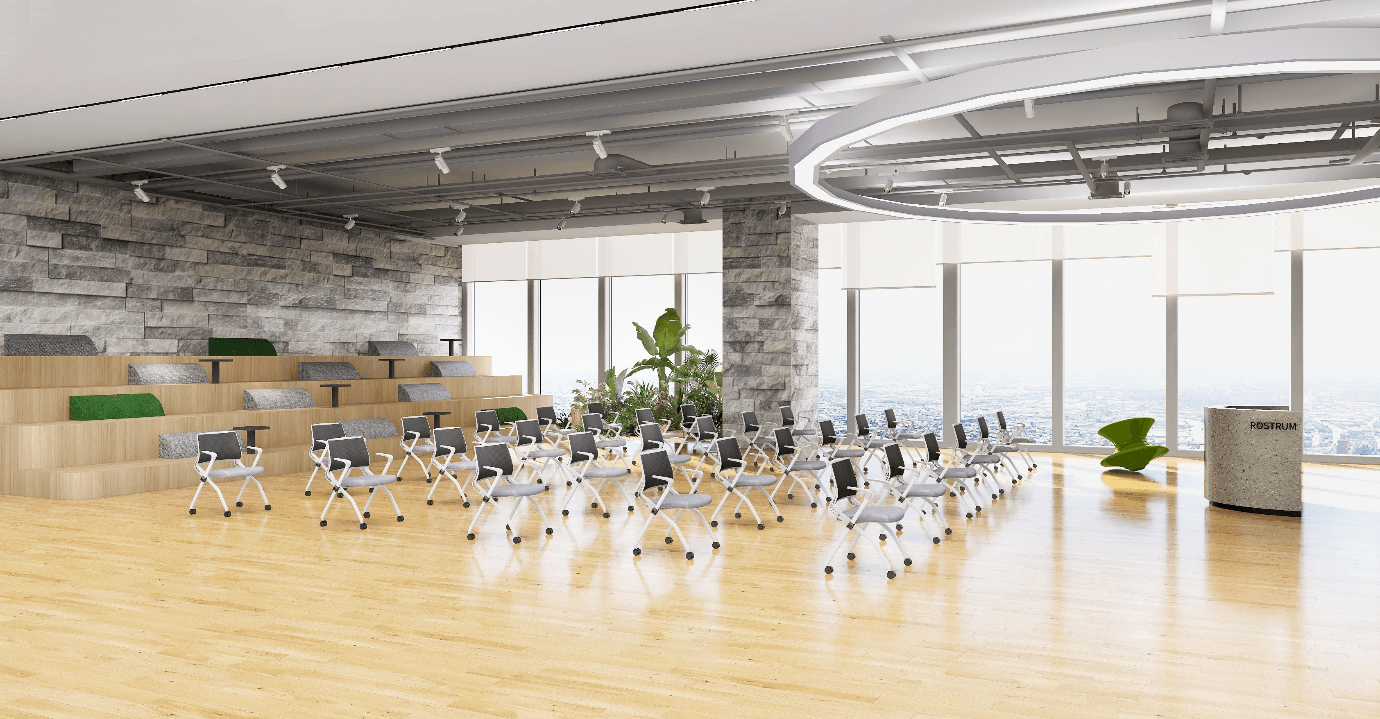
To build a fully functional, high-efficiency training space, understanding the needs of both employees and management is essential. The success of a training space depends not only on the program you create, but also on the configuration, style, and type of office furniture you use. Our philosophy is to create better, more collaborative spaces that inspire a culture of innovation for the future.
You may also like

After the Pandemic: How to Choose Healthier Office Furniture
Read More
European Designer Interview: Uncovering the Fun of Office Furniture
Read More
Inclusive Office Design: Optimizing Furniture for Happiness
Read More