Smart Office Furniture: Three Trends Changing the Future of Work
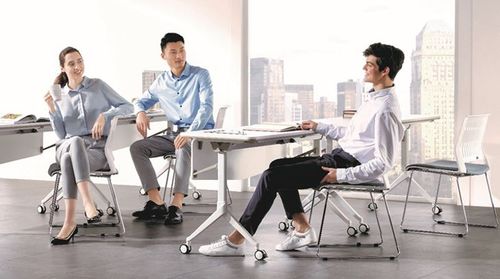
Technology keeps disrupting the way we live and work. As more and more people enjoy the convenience that smart lighting, smart speakers, smart curtains, and smart air conditioners bring to daily life, the smart transformation of the office is even more eagerly anticipated. Through tech-enabled, intelligent office furniture design, working life becomes more convenient, comfortable, and efficient — while bringing greater returns to business owners and users alike.
There is no doubt that smart office furniture has become a major trend in the industry's future. So what types of smart office furniture are there, what changes will they bring to the future of work, and how will they reshape the way we work?

What is smart office furniture?
Smart office furniture generally refers to furniture that continuously applies advanced technologies and concepts to make work easier, integrating technological intelligence, modular intelligence, and IoT intelligence into office furniture products.
Technological intelligence: Embedding cutting-edge technology into office furniture allows users to monitor data, book workstations, and run smart meetings via a mobile app; operate desks with gestures and adjust the smart lighting of back cabinets; and raise or lower smart desks with a phone or a button, including memory functions and one-touch height adjustment.
Modular intelligence: Unlike traditional office furniture with fixed dimensions, modular intelligence allows free combination and customization based on a company's characteristics. During customization, users only need to state their needs and ideas, and the service provider can offer intelligent solutions for them. With smart factories, furniture functions can be custom-built, split, and processed on demand, enabling all kinds of product arrangements and combinations.
IoT intelligence: Centered on a big-data smart cloud platform, control systems for smart office furniture and smart office environments are placed in apps, allowing users to exchange data, transfer information, and control functions from their phones — achieving whole-office IoT control. Meanwhile, furniture products collect user data such as prolonged-sitting time and fatigue levels to proactively remind users, empowering healthier work.
How will smart office furniture change the future of work?
1. Shared offices that boost efficiency
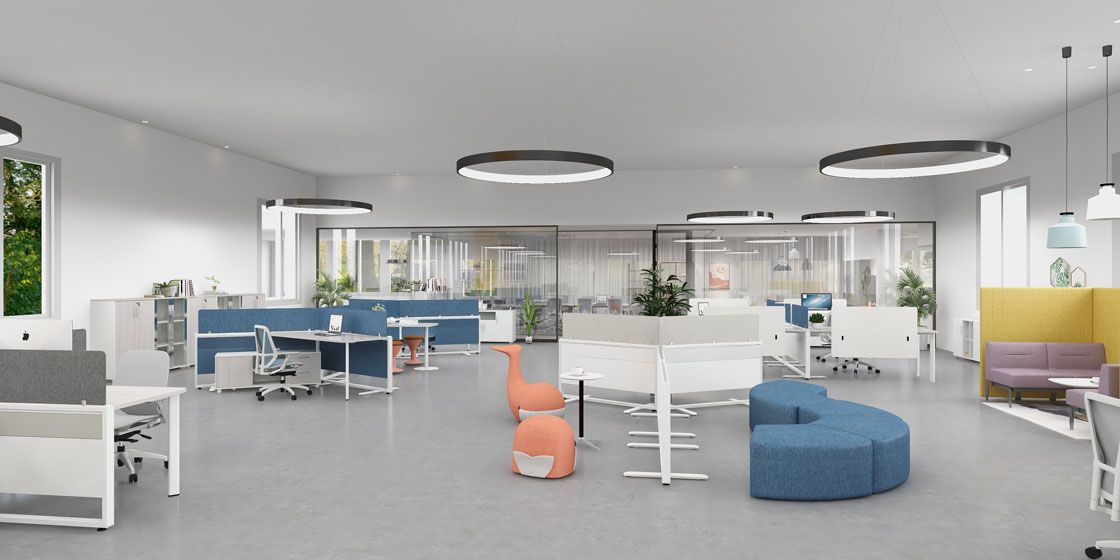
With the growth of the sharing economy, coworking spaces and maker spaces are increasingly common, and many traditional companies have started experimenting with shared-office models. Embedding smart workstation booking into office furniture allows real-time monitoring of how offices and furniture are used. In departments with high staff turnover or frequent business travel, a healthy desk-sharing mechanism can be established to save companies money.
Office spaces are becoming freer. For companies with broad business coverage, smart office furniture that supports real-time sharing plays an important role in remote meetings and collaborative work, promoting communication and connection while saving space costs and improving efficiency.
2. Smart regulation for physical and mental well-being
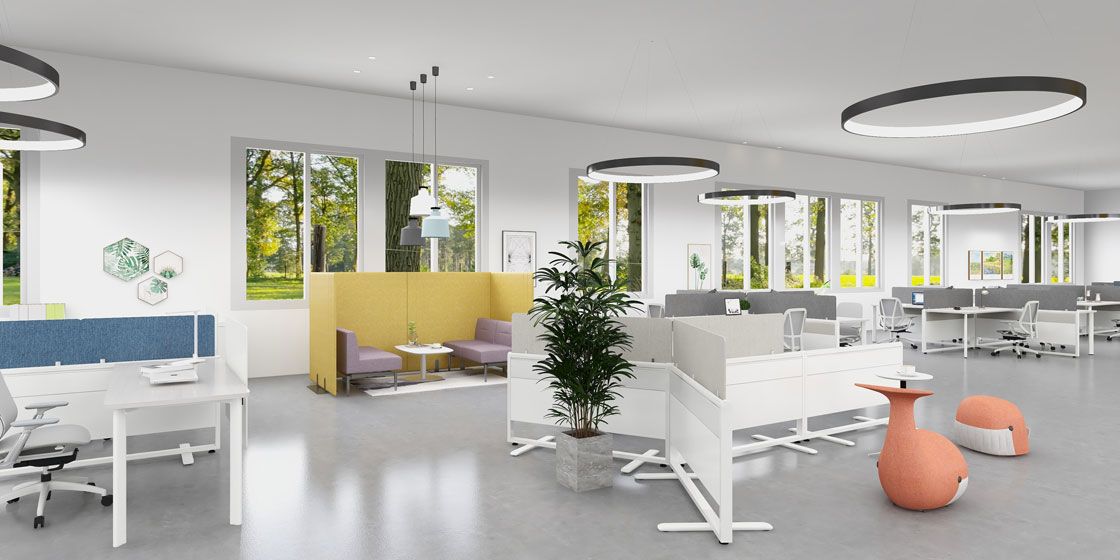
Environmental factors such as air, daylight, temperature, and noise affect workers' health and sense of well-being. Connecting office furniture to a smart system lets it automatically adjust indoor temperature, humidity, and lighting — or users can adjust everything with one touch through the furniture itself.
Tech-powered office furniture understands users quietly and seamlessly. Sitting in a smart office chair enables sitting-time monitoring, sedentary reminders, and posture-correction alerts. Sensors can even monitor mental fatigue — the furniture may know you're tired before you do, and proactively remind you to take a break. This human-centered care greatly boosts employees' sense of well-being.
3. Cloud-based management that saves companies money
Managing smart office furniture becomes much easier. When users and furniture can be conveniently linked, wear and tear drops significantly, and employees in charge of asset inventory can quickly grasp the status of every piece. Relying on the "cloud management" of a smart office space, companies can adopt sustainability strategies that suit them.
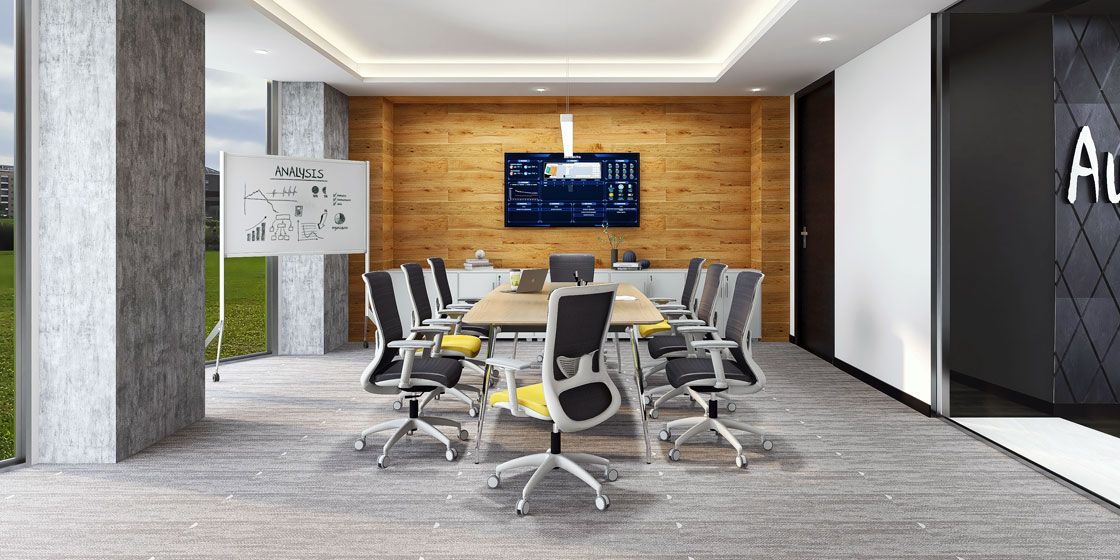
By analyzing furniture usage frequency, office space can be planned rationally: frequently used spaces and furniture get more area and comfort, while idle areas can be re-planned. All furniture gets used sensibly, greatly improving efficiency and lowering costs for the company.
Summary
Smart office furniture always senses users' needs invisibly, using intelligent systems to help employees manage their health and stay in a good working state. At the same time, it promotes collaborative management within companies, improves efficiency, and supports healthy business growth.
You may also like
Championing Formaldehyde-Free Offices: Yihang's Healthy Work Mission Upgraded
Read More
European Designer Interview: Uncovering the Fun of Office Furniture
Read More
Healing Office Workers' Obsession with Symmetry in Design
Read More