Should Furniture Colors Follow Trends? A Color Selection Guide
When customizing office furniture, color is often one of the first things on people's minds. Recently, the authoritative color institute Pantone announced its 2022 Color of the Year — Very Peri, a blue-violet blend — and some users immediately wanted to adopt it in their custom furniture. But is blindly following trend colors a good idea? To help, we've put together some practical knowledge about office furniture color choices for your customization project.
1. Match furniture colors to the indoor environment
The overall interior consists of hard furnishings (ceilings, walls), light, floor area, and more — so during customization, never decide on a furniture color from renderings alone; it must be settled in the actual space. For example, in rooms with poor natural light, choose furniture in slightly higher-saturation colors to accentuate the sense of depth; in a compact office area, avoid overly bold colors and keep furniture close to the tones of the walls, floors, and ceiling so the furniture harmonizes with the space.
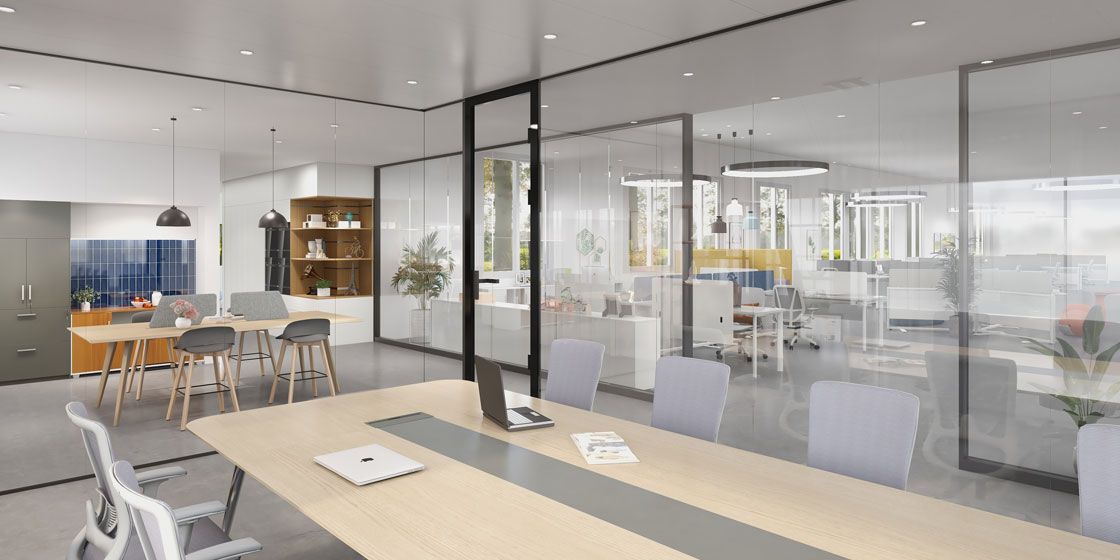
2. Match color combinations to the space's function
As office spaces diversify, furniture colors and forms should match each zone's function. In meeting spaces, customization should lean on calm, rational tones; in lounge areas, warm orange or gentle pink brings a relaxed, playful visual feel; for hybrid or shared office spaces, an understated gray with a few bright accents works beautifully, striking a visual balance between calm and energy.
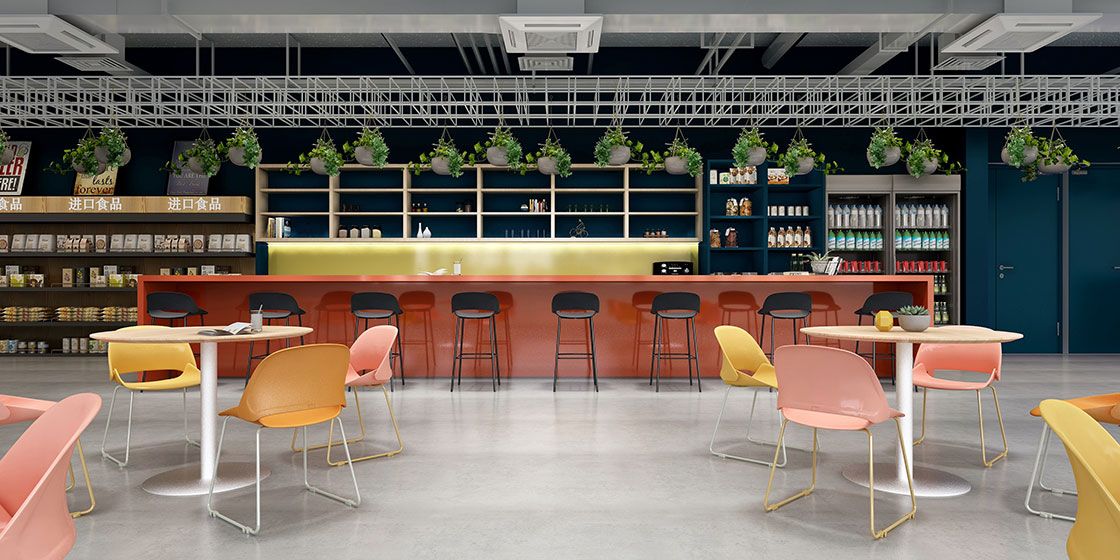
3. Factor in the users' color preferences
Different users have different tastes in color. Startups, for example, tend to employ young professionals — "digital natives" who love novelty and embrace change — so their custom furniture should feature colors that spark inspiration. When customizing for traditional companies, especially executive areas, the palette should lean dignified and generous: black, gray, and earth tones. Note that some executive suites have rich functional zoning, so avoid making the furniture colors too monochrome — otherwise the space can feel cold and bland.

4.** Balance craftsmanship and materials**
Even the same color can look different depending on the materials and processes chosen for the furniture — much like our clothes, where different textures create color variation. So during customization, take time to understand the production process: with spray painting, for instance, water-based paint leaves a smooth, burr-free surface, and you won't have to worry about yellowing even years down the road.

Of course, if you're truly unsure which colors to choose, you can entrust a professional manufacturer to provide a one-stop space solution — they'll tailor a suitable furniture palette based on your company's style and brand culture. Yihang, for example, can smoothly resolve all the puzzles of furniture customization, and even offers a refresh service after installation to keep your office furniture looking brand new.
You may also like

European Designer Interview: Uncovering the Fun of Office Furniture
Read More
Freedom Without Excess: Where Creative Teams Should Work
Read More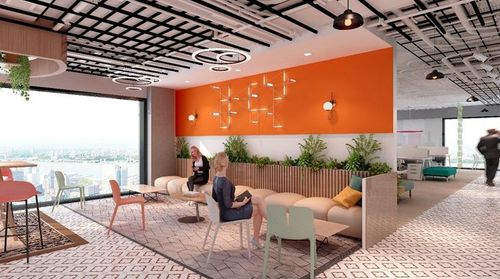
Inclusive Office Design: Optimizing Furniture for Happiness
Read More