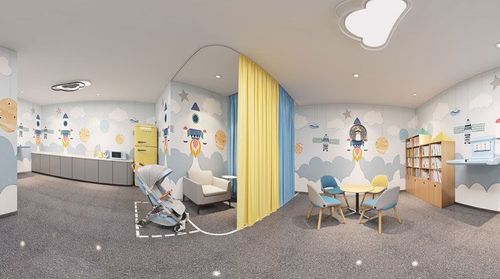
Freedom Without Excess: Where Creative Teams Should Work
In his book The Rise of the Creative Class, urban economist Richard Florida emphasizes that people are the fundamental source of creativity, and creativity is the driving force of economic development. At a time when the global economy is being profoundly affected by the pandemic, creative talent matters more than ever.
And compared with a fully open office space, shaping small regional cultures within the office can instead become fertile soil for cultivating creativity. How can you foster unlimited creative growth within a limited office?
Step 01
Put sound in a cage
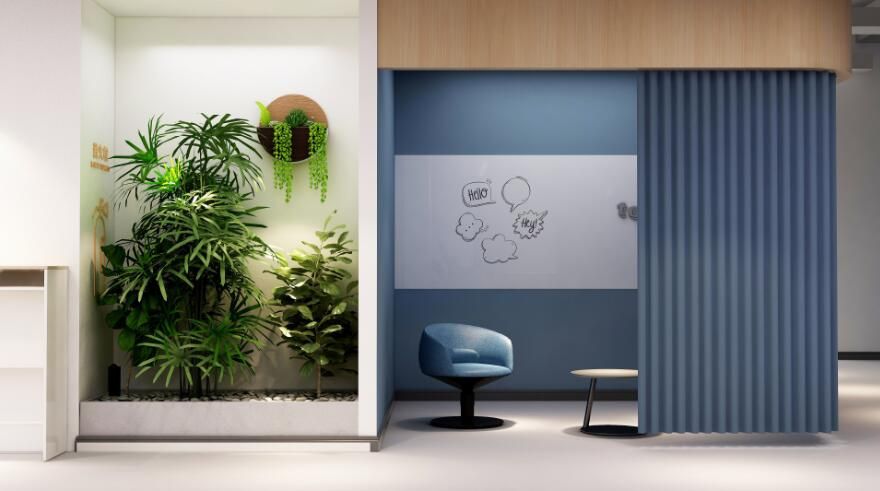
Building private spaces within an open office has become the general trend. In an office where every square meter counts, what kind of space lets a creative department concentrate on creative work?
01. Use multiple sound-absorbing materials to block noise
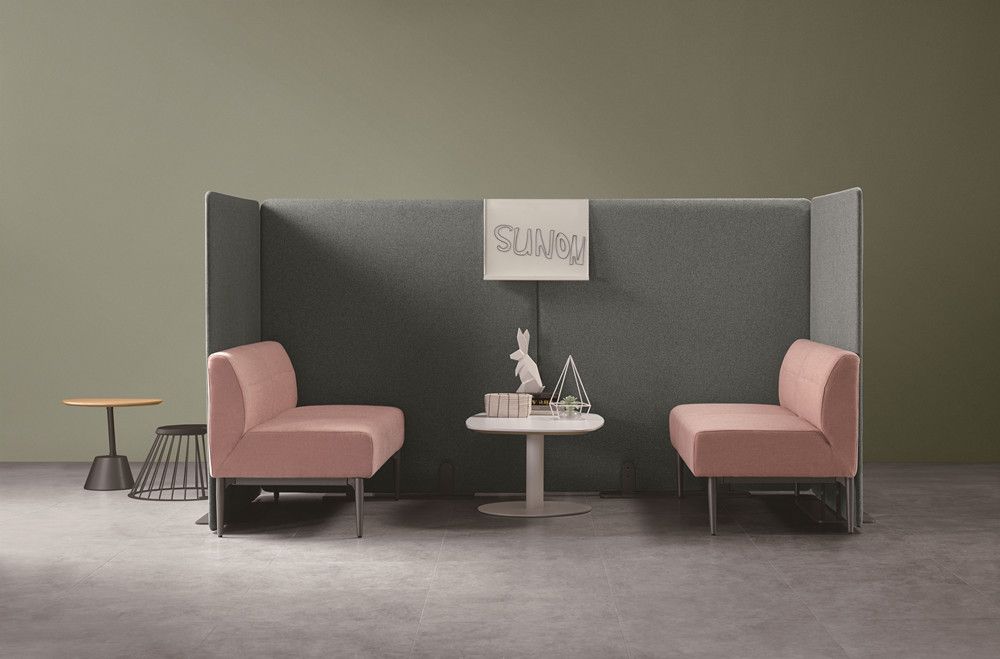
Rather than deliberately erecting partitions that break the openness, use materials with noise-absorbing properties to reduce sound transmission. Unlike outdoor propagation, indoor noise not only follows the laws of open-air transmission but is also reflected back by the ceiling, floor, and walls, forming a complex indoor sound field.
To disrupt this annoying sound field, consider the following when laying out the office space:
- Use wooden office furniture, whose porous structure absorbs noise.
- Use furniture with felt and similar surfaces, which also absorbs sound.
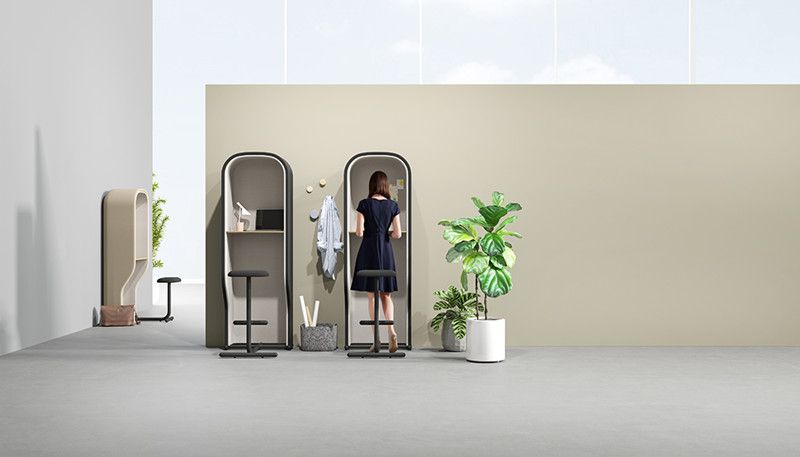
02. A "phone booth" to beat the noise
For the people inside, it solves the problem of a temporary space for phone calls, so they can chat freely with clients. For the people outside, it solves the trouble of being "besieged by noise", so they can work with peace of mind.
Step 02
Open a window for the mind
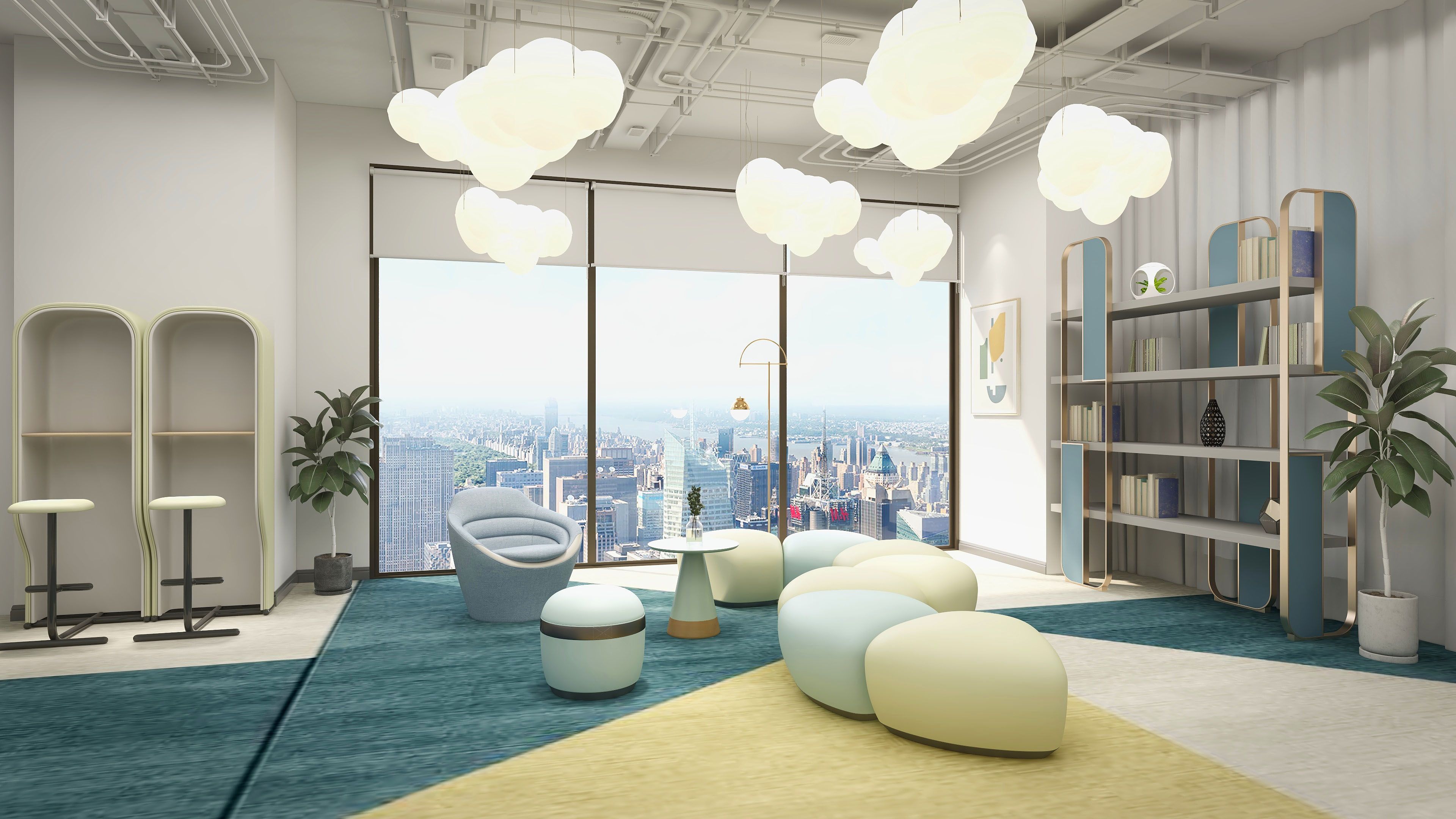
01. More color, more unconventional approaches
Working in an office that doesn't look like an office, creative talents with active, unrestrained minds prefer the free-spirited "free office". "Freedom" is the wellspring of creativity. Sitting, standing, or feet not touching the ground... more spatial experiences bring more innovative ideas.
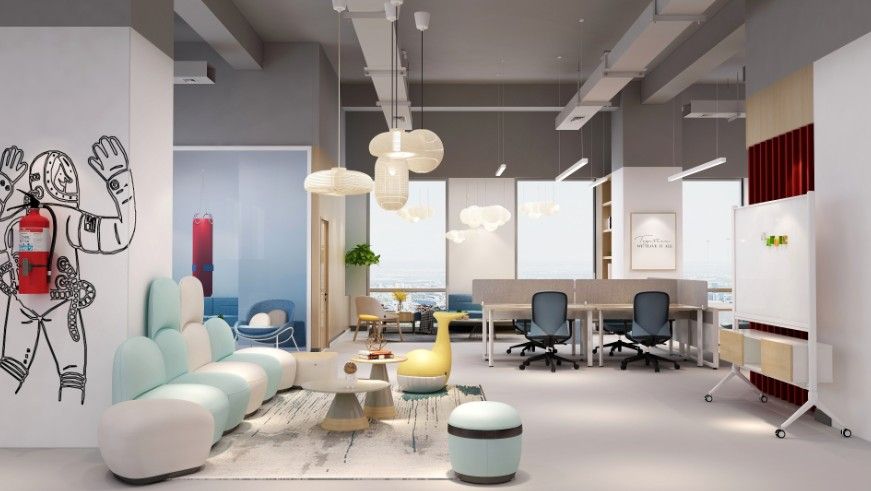
02. More communication, more chances for inspiration to land
Highly creative people can always spot creative points in seemingly unrelated things. Communication provides an entry point for creative ideas, and flashes of inspiration stimulate the creation of instantly usable brainstorming spaces — no more wasting time in a limited space looking for a meeting room.
Conclusion
Creative talent has always been "the type of talent companies find hardest to retain". Rather than trading labor for pay, these people pursue "self-expression"; they value autonomy and flexibility at work highly, and lean toward "collarless work".
A free office space gives creative talent breadth of thought. To a certain extent, providing more free, personalized offices for creative departments helps companies achieve efficiency through motivation.
You may also like
Championing Formaldehyde-Free Offices: Yihang's Healthy Work Mission Upgraded
Read More
Healing Office Workers' Obsession with Symmetry in Design
Read More
Rethinking Work After the Pandemic: 11 Lessons from Remote Work
Read More