
Plan Your Office Space in Four Dimensions for Comfort and Efficiency
Planning office space sensibly is essential for improving work efficiency, promoting teamwork, protecting employee health, strengthening corporate image, and raising space utilization. How to improve efficiency and create value through more convenient, more efficient, and smarter products has become a basic requirement for a great office experience today. So where should you start when building an efficient, comfortable office?
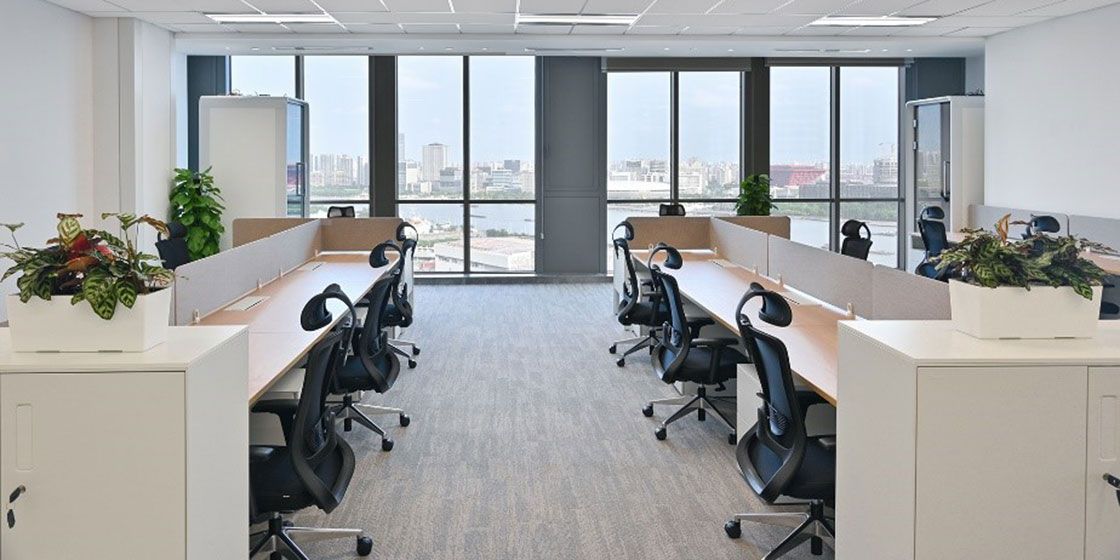
1. Adopt open-plan office design to reduce the sense of confinement
Open-plan office design is a popular design style that breaks with the traditional idea of partitions and enclosed spaces, turning the entire office into an open, airy environment. This style makes it easier for employees to communicate and collaborate, while reducing the sense of confinement in the office, which can improve both comfort and productivity.
2. Choose flexible office furniture to set the space "in motion"
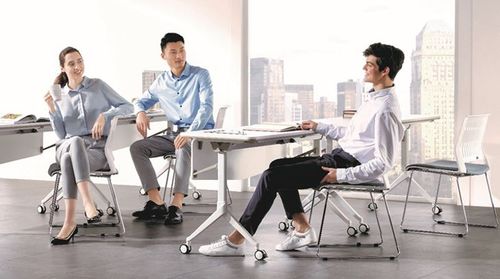
If offices continue moving toward no fixed positions and no fixed equipment, mobile partition systems and flexible furniture will become ever more important, because they allow the office to adapt quickly to different ways of working. Examples include movable training tables, foldable screens, and height-adjustable desks and chairs. This kind of furniture can be easily repositioned as work demands, raising the efficiency of space use. At the same time, flexible office furniture gives employees a more comfortable working environment and reduces the monotony and stress associated with traditional fixed workstations.
3. Set up multifunctional zones to lower communication costs
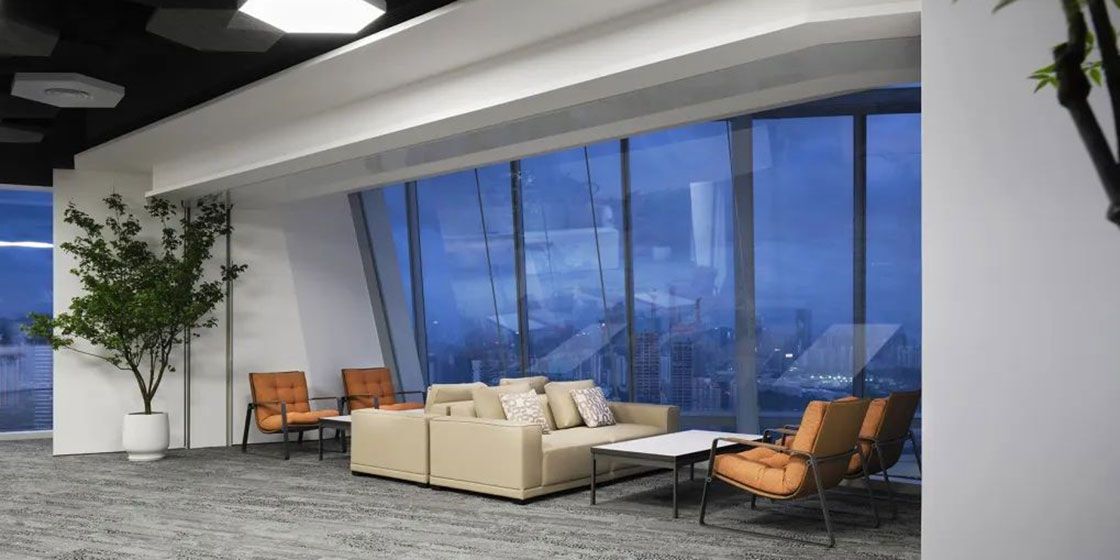
Different types of work call for different kinds of communication. Multifunctional zoning means dividing the office into distinct areas—for example, a focus work zone, a small-group discussion area, and a lounge. These zones meet employees' varied needs for both work and rest, supporting a wide range of work scenarios.
4. Focus on ecological sustainability to relieve office stress
The workplace of the future will also be ecologically sustainable and healthy. Design should pay attention to the right balance between natural and artificial light, the selection of green, environmentally friendly materials, sensible ventilation, and acoustics-based sound separation to prevent people from feeling stressed.
Bringing in natural elements helps employees feel closer to nature and relieves the pressure and fatigue of work. For example, greenery, natural scenery, and sunlight can be introduced into the office, which to some extent improves air quality and reduces indoor air pollution.
In an era when fixed arrangements of time and space are increasingly being broken down, the workplace of the future will truly keep pace with the times, making work simpler, more efficient, safer, and more humane. By building a better office environment, companies can raise both employee productivity and their own competitiveness.
You may also like
Office Furniture Trends: Creating Dynamic Learning and Training Spaces
Read MoreChampioning Formaldehyde-Free Offices: Yihang's Healthy Work Mission Upgraded
Read More
Inclusive Office Design: Optimizing Furniture for Happiness
Read More