How Material Choices Shape Office Space Design
When choosing furniture for an office space, look beyond appearance and pay close attention to materials. In office space design, material choices have a major impact on comfort and productivity. The main ways furniture materials influence office design are as follows:
1. Different Furniture Materials Affect Physical Comfort
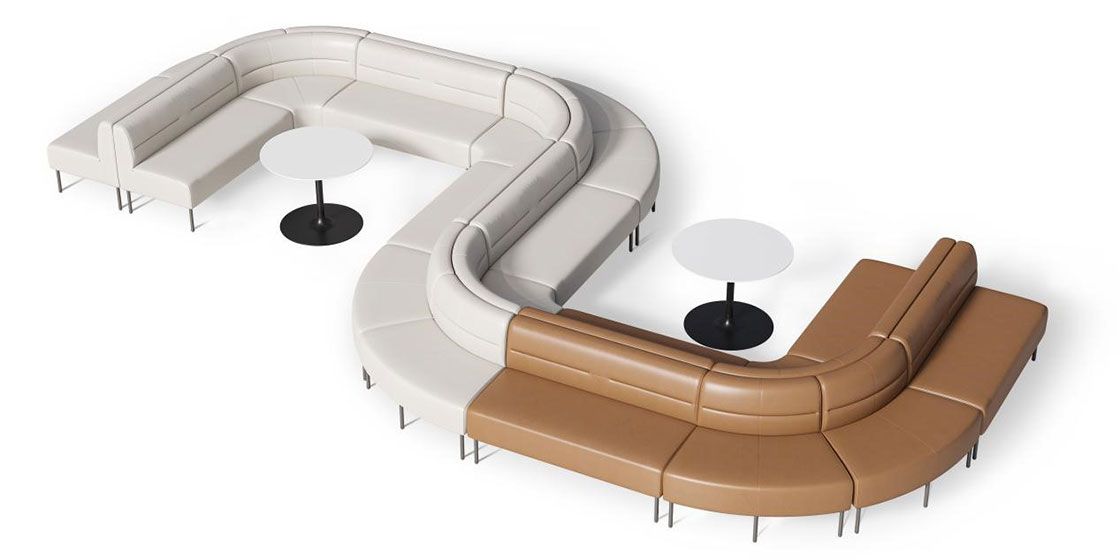
Different materials bring different tactile and visual experiences, all of which affect how comfortable people feel. For example, soft materials such as velvet or leather create a more comfortable environment, while hard materials provide firmer support. The warmth or coolness of a material also affects people's perception of the space's temperature, further influencing comfort.
2. Different Furniture Materials Shape the Space's Atmosphere
Different materials give different impressions, which in turn shape how the whole space feels. For example, wooden furniture conveys a natural, welcoming feeling, while metal furniture gives off a sleek, modern, cool, rational, and premium vibe.
3. Different Furniture Materials Create Different Visual Effects
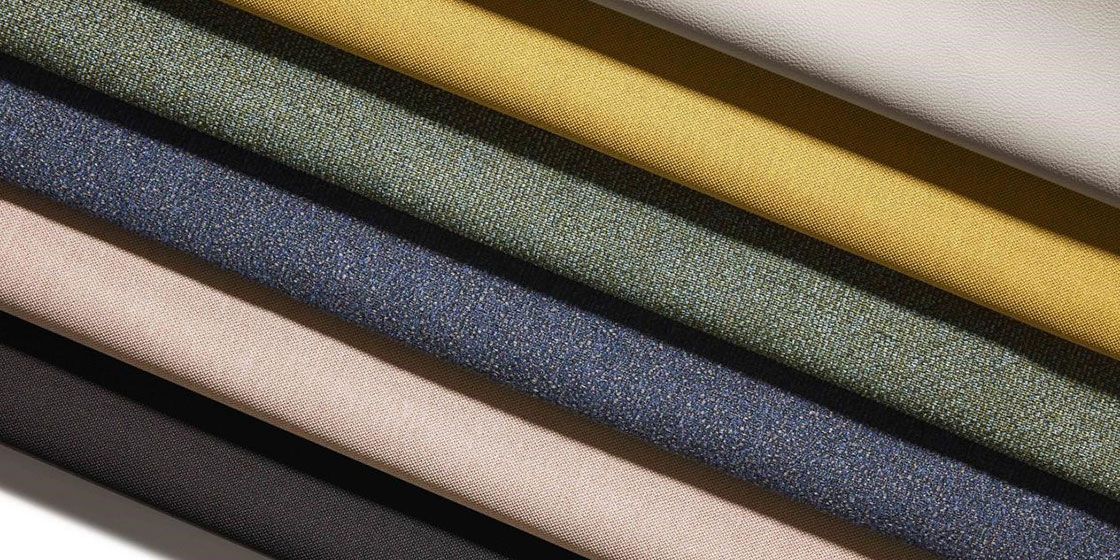
A material's color, texture, and sheen all affect the visual effect. For instance, bright colors and smooth surfaces convey energy and modernity, while darker colors and rough textures can create a sense of mystery or strength.
4. Furniture Materials Affect Air Quality
Some materials regulate humidity and temperature better, providing a more comfortable environment. Meanwhile, materials containing harmful substances or emitting harmful gases can affect employee health. For example, many furniture pieces, flooring products, and coatings contain volatile organic compounds (VOCs), which are gradually released into indoor air over time and degrade indoor air quality. Some furniture may also contain formaldehyde and other harmful substances that likewise affect indoor air quality. To reduce furniture's impact on indoor air, choose furniture made from formaldehyde-free, low-VOC eco-friendly materials, and open windows regularly to keep indoor air circulating and fresh.
5. Furniture Materials Have Psychological Effects on People
Materials can also affect employees' mental state. For example, soft, comfortable materials can relieve stress and fatigue, while hard, cool materials — such as steel, glass, aluminum alloy, and premium stone — create a clean, crisp, orderly atmosphere with their firm, cool character, while also conveying a sense of rationality and objectivity.
Therefore, when choosing materials for an office space, you need to comprehensively consider their impact on comfort, productivity, employee health, and psychological state.