How Custom Office Furniture Aligns with Company Culture
As times change, people's expectations for their living and working environments keep rising. A comfortable, practical, and attractive work environment improves employees' productivity and sense of well-being — and custom office furniture was born precisely to meet these needs. This article introduces several key points on integrating custom office furniture with company culture.
I. Understand the Company Culture Deeply Before Customizing
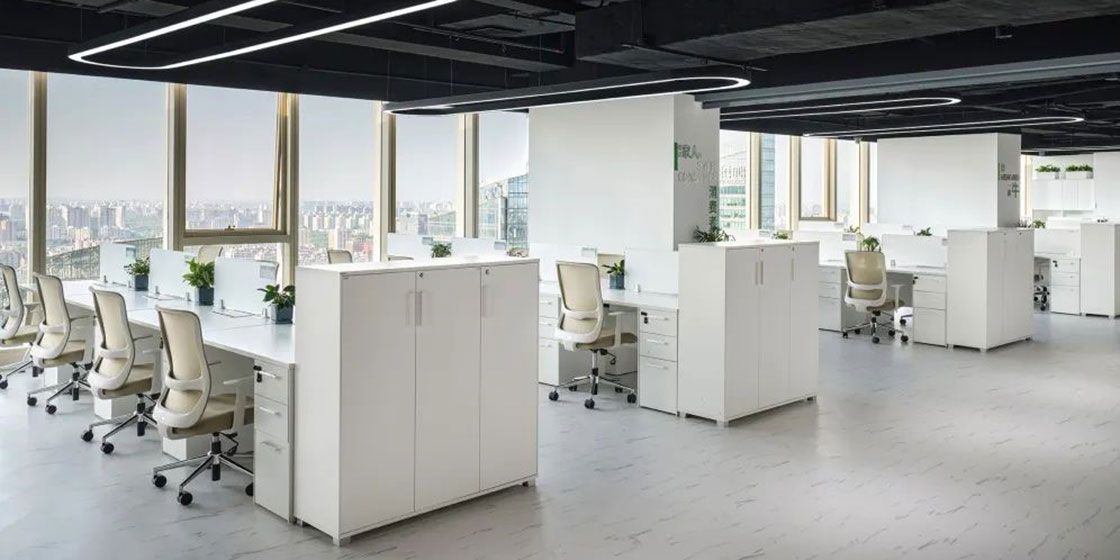
Custom office furniture means designing and producing furniture according to each customer's individual needs, satisfying their requirements for quality, function, appearance, and more. Compared with traditional furniture, custom office furniture manufacturers generally have many years of experience in modern office furniture manufacturing, offer a wide range of product lines, and have products that are tried and tested — making them more trustworthy. First, gain a deep understanding of the company's cultural characteristics, values, and brand image, including its mission, vision, core values, and brand positioning. With this deep understanding of company culture, you can better grasp the design direction and style of the custom furniture.
II. Encourage Employee Participation and Feedback
In the process of customizing office furniture, employee participation and feedback are essential. By communicating with employees to understand their needs, opinions, and suggestions regarding office furniture, you can better meet their needs and improve their satisfaction and productivity.
III. Make the Design Style Echo the Company Culture
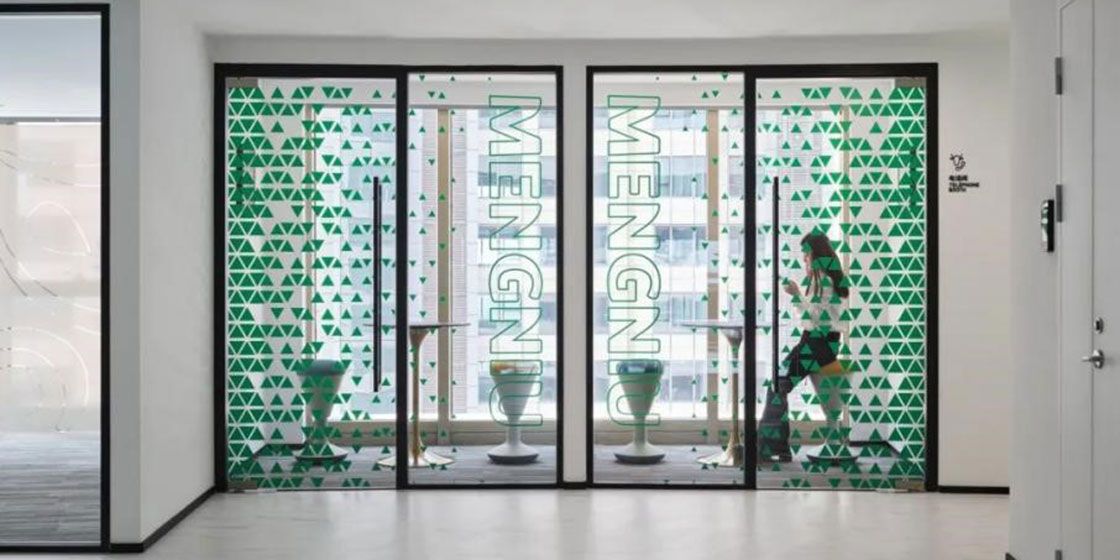
The design style of office furniture should echo the company culture. Every company has its own unique culture and values, and weaving them into the workspace strengthens employees' sense of belonging while letting customers feel the company's brand image and substance. When fitting out the space, make use of company slogans and culture walls, and express the company's values, mission, and vision through color schemes and design elements.
IV. Consider Function and Detail
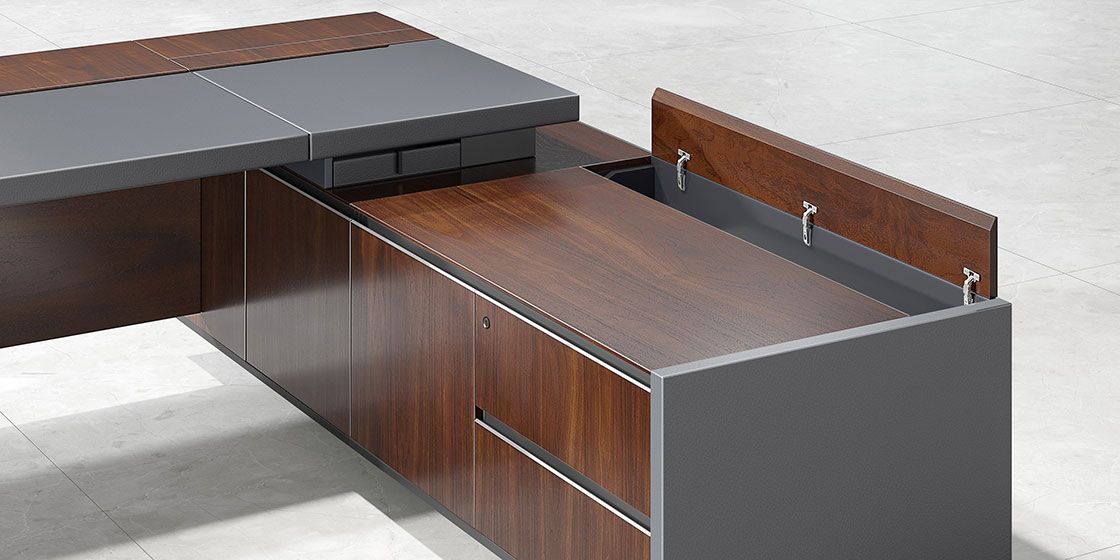
We also need to consider whether the furniture fits daily working habits and meets functional requirements. For example, desks should come with human-centered hidden cable boxes and storage pedestals, and conference tables should be equipped with smart sensor projectors. Also pay attention to product scalability and long-term maintenance costs.
V. Keep Evaluating and Improving Throughout the Process
Continuous evaluation and improvement are indispensable when customizing office furniture. By assessing how well the furniture performs in use, gathering employee feedback, and measuring how well the company culture comes through, you can keep refining the design and the plan, improving the employee work experience and the company's brand image.
As living standards rise, not only the office furniture sector but the entire custom furniture industry has undergone a major shake-up. In the future, the share of non-standardized furniture will keep climbing, and flexible, customized furniture — combining personalization with mass production — will become the main force of the industry.
You may also like

European Designer Interview: Uncovering the Fun of Office Furniture
Read More
Healing Office Workers' Obsession with Symmetry in Design
Read More
Inclusive Office Design: Optimizing Furniture for Happiness
Read More