
Four Essentials When Buying Furniture for Open Offices!
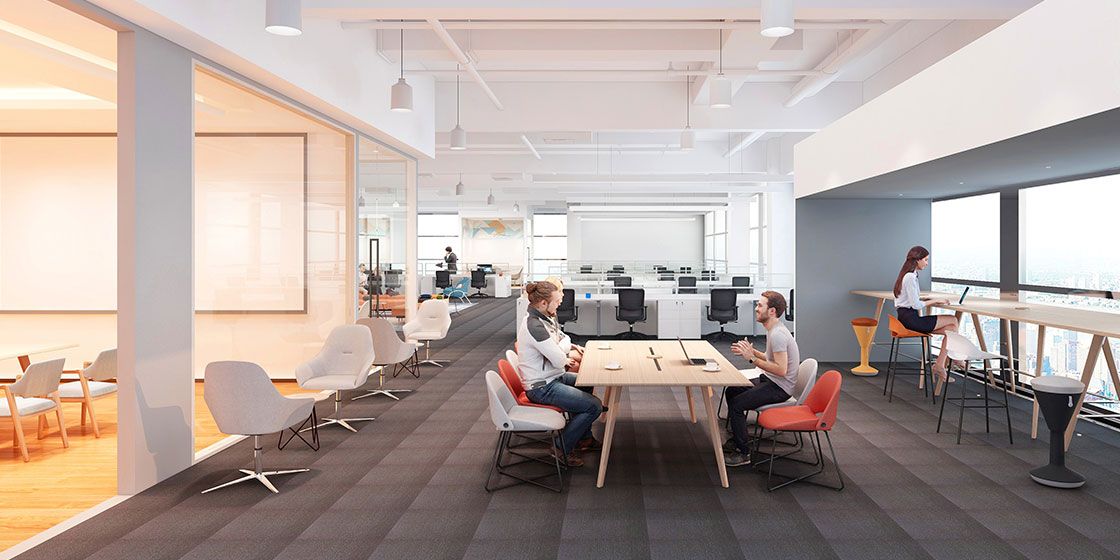
With the rise of the internet industry and the influence of global work models, open-plan offices are increasingly popular. A dynamic office space maximizes the use of limited space, saves company costs, and promotes connectivity among employees — but companies also face problems such as visual clutter, difficulty staying focused and efficient, and reduced employee privacy. Office furniture is the most critical element of the office space. To solve these problems, when choosing furniture for an open-plan office, we recommend starting from the following four points.
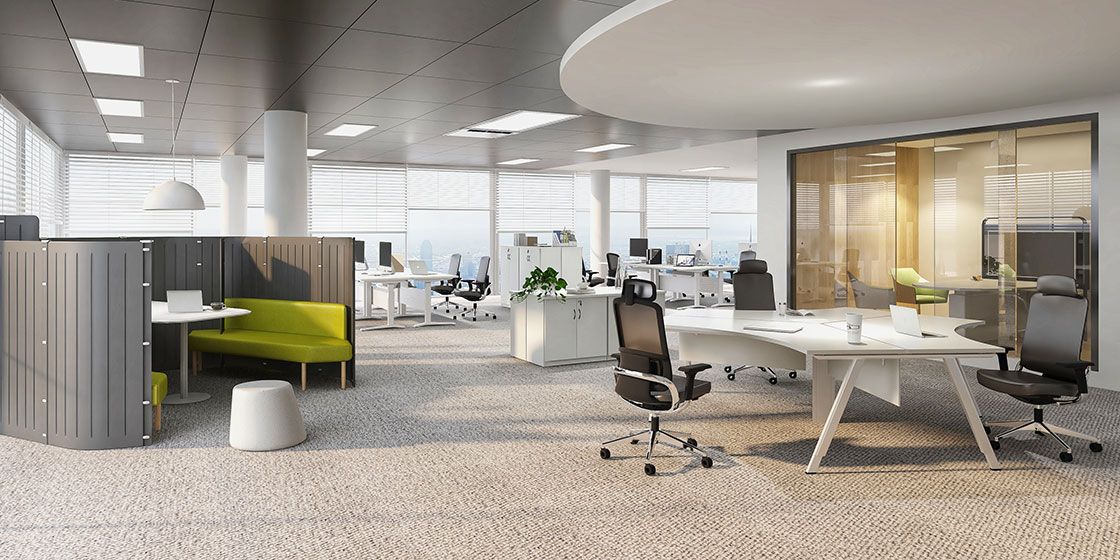
1. Choose furniture specifications and sizes based on department functions
Open-plan offices mostly present large workspaces with flexible or no partitions, accommodating many employees working together. Therefore, for departments with different functions, the specifications and dimensions of office furniture matter a great deal.
Take screen-type furniture: for efficiency-driven administrative departments, screens can be lower — blocking some sightlines while allowing easy eye contact and communication. For creative departments, screens should be higher and must incorporate detachable designs, so a “brainstorming meeting” can start anytime. For design departments, desktops are usually wider than ordinary desks to accommodate drawings or multiple computers.
For another example, employees who frequently need to retrieve files require filing cabinets as essential storage furniture. When sizing the furniture, make sure the aisle retains sufficient clearance — 1m or more is recommended — so that even when cabinet doors are open, other employees can still move through the aisle.
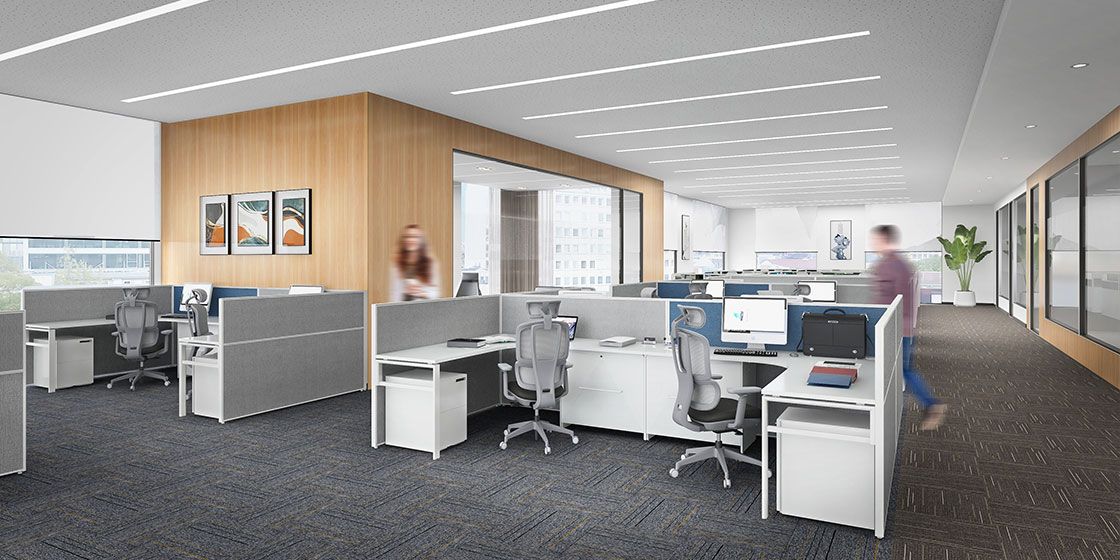
2. Choose sound-absorbing, noise-reducing furniture materials
Open-plan work is easily disturbed. Research shows that it usually takes people more than 25 minutes to regain their working state after an interruption. Innovation in materials has given office furniture a unique advantage in going “silent.”
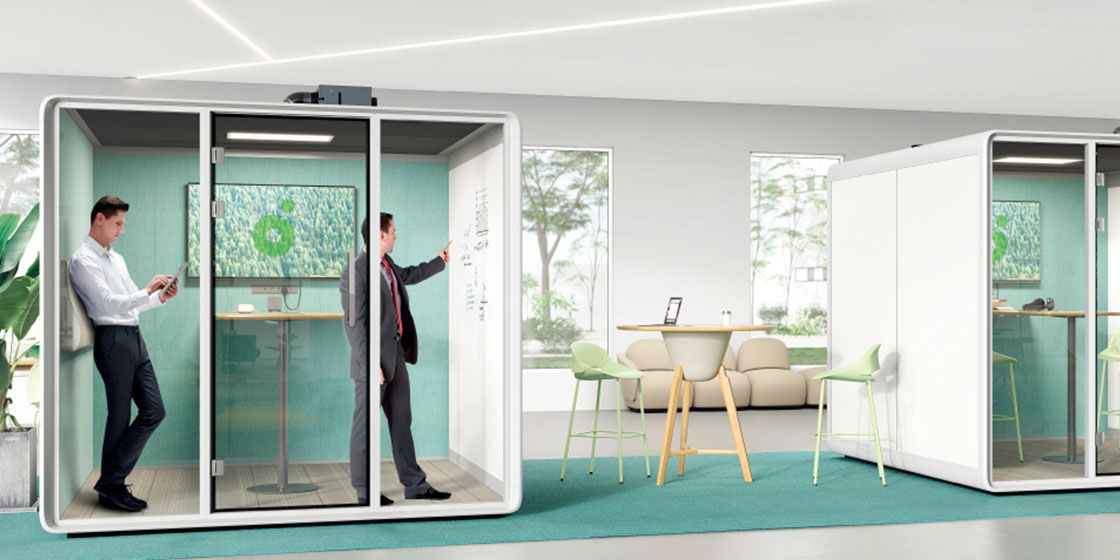
Partition screens made of noise-reducing, sound-absorbing felt; sliding filing cabinets with silent tracks; office chairs or desks with 360-degree rotating silent casters… all of these can minimize or eliminate sources of sound. Take Yihang's 2021 new product, the Silent Booth: built with a new high-tech material — aviation-grade aluminum — and lined with high-density acoustic felt, it achieves an ultimate quiet effect. Moreover, it is a movable piece of furniture that can flexibly create a temporary small meeting room, meditation room, phone booth… perfectly creating an independent, quiet office space.
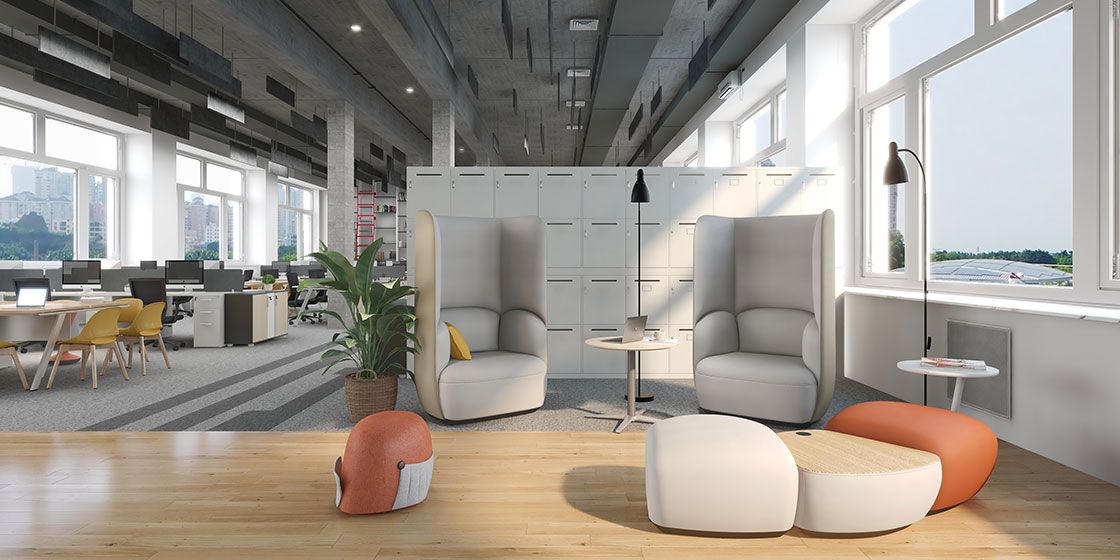
3. Furniture selection and configuration must also account for privacy
Does open design mean pushing the open concept to the extreme? In fact, that is a common misunderstanding of open-plan offices. Sometimes, to bring lasting benefits, open design needs to be a little less open. A bright, airy atmosphere can indeed spark passion for collaboration, but it also means employees lose all personal privacy, imperceptibly adding work pressure.
When configuring furniture, fully consider appearance and various functions, and incorporate a sense of concealment and privacy. It's also advisable to customize furniture according to the actual space: this both reflects the privacy attributes of each unit zone and perfectly matches the office environment, achieving the most rational space configuration.
4. Selection and application of smart office furniture
“No mobility, no work.” As smart technology gradually penetrates our work, many companies build their open-plan offices into shared workspaces to better meet modern working demands — more open, dynamic, and flexible spaces that help employees work efficiently and communicate seamlessly.
When purchasing, companies must consider furniture designed with technological, modular, and IoT intelligence. For example, configure charging modules in the furniture so employees at mobile workstations can charge their devices. You can also choose furniture with built-in workstation reservation functions: employees who travel frequently or move around a lot can book in real time, forming a virtuous desk-sharing mechanism, improving the effective utilization of office furniture, and saving management costs for the company.
Summary:
For companies, an open-plan office will also need a period of adjustment. During this process, we hope you recognize the importance of office furniture. Clearly, choosing good furniture lets you capture the advantages of an open-plan office while minimizing the drawbacks, bringing greater efficiency to the company's overall operations.
You may also like
Inclusive Office Design: Optimizing Furniture for Happiness
Read More
A Fresh Office for a Complex Era
Read MoreChampioning Formaldehyde-Free Offices: Yihang's Healthy Work Mission Upgraded
Read More