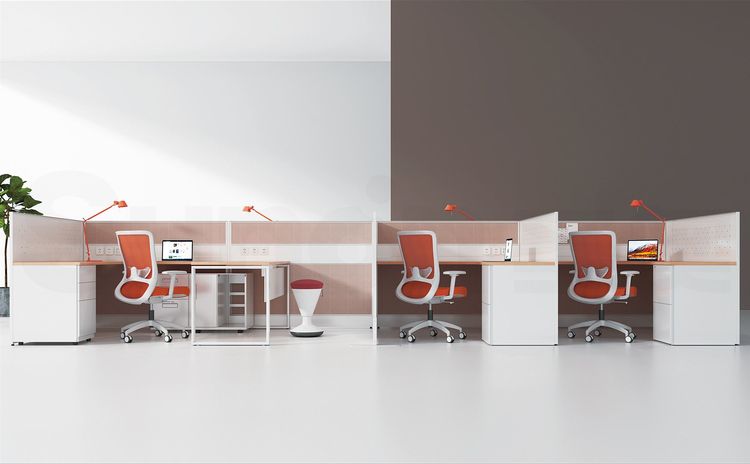
In the Smart Connected Era, Furniture Is a Company's First Business Card
When it comes to a company's image, people used to think of things like location, floor area, and workstation layout. Now, the public's criteria for judging a company have clearly been updated: air quality, employee well-being, functional zoning, and other factors have all been included in the “scoring system” — and all of these results are closely related to office furniture. We believe that in the future, as smart connectivity drives social progress and work modes continue to transform, the importance of office furniture will become ever more evident. Calling it the “company's first business card” is no exaggeration.
1. In a saturated market, office furniture deepens visitors' impressions
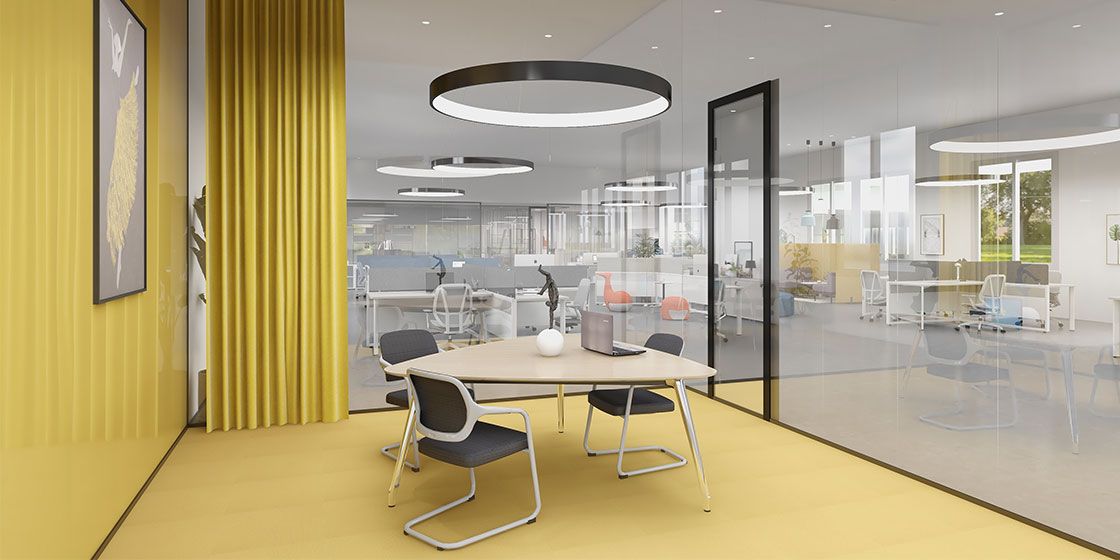
Most industries face homogeneous competition in products and customers. As the market gradually saturates, how can you leave potential partners with more favorable impressions of your company? The office environment created by office furniture is a key part of soft power. For example, in the past, reception areas simply put coffee tables, sofas, and chairs together — seemingly complete, but the cold, bland atmosphere was already “turning visitors away.” By contrast, furniture with warm colors that can be flexibly moved and recombined imperceptibly closes the distance with visitors and, through its design, conveys the company's “customer-first” warmth, leaving a positive impression.
2. In white-hot talent competition, office furniture helps attract talent
The workplace force is gradually getting younger, and the functions of the workplace are quietly changing. Office furniture is no longer just a tool for companies to extract labor from employees — it is the best partner for employees to realize their self-worth.
Take the post-2000 generation: born into relative material abundance, they especially value the comfort of office furniture. Meanwhile, the post-90s, as beneficiaries of high-speed internet, lean toward more flexible furniture. Clearly, at interviews, such furniture is far more persuasive than a recruiter's verbal description of corporate culture. Yihang's Chelsea office chair allows free swaying while seated; it's easy to move around and doesn't take up much space, switching effortlessly between meeting and working scenarios — this playful way of working matches the temperament of the rising workplace generation perfectly.
3. As service cooperation goes remote, office furniture strengthens effective communication
Most companies are using the power of smart connectivity to expand their footprint. When prospective clients cannot visit in person for a first meeting, remote conferencing, video communication, livestream promotion… these are widely favored approaches in the post-pandemic era.
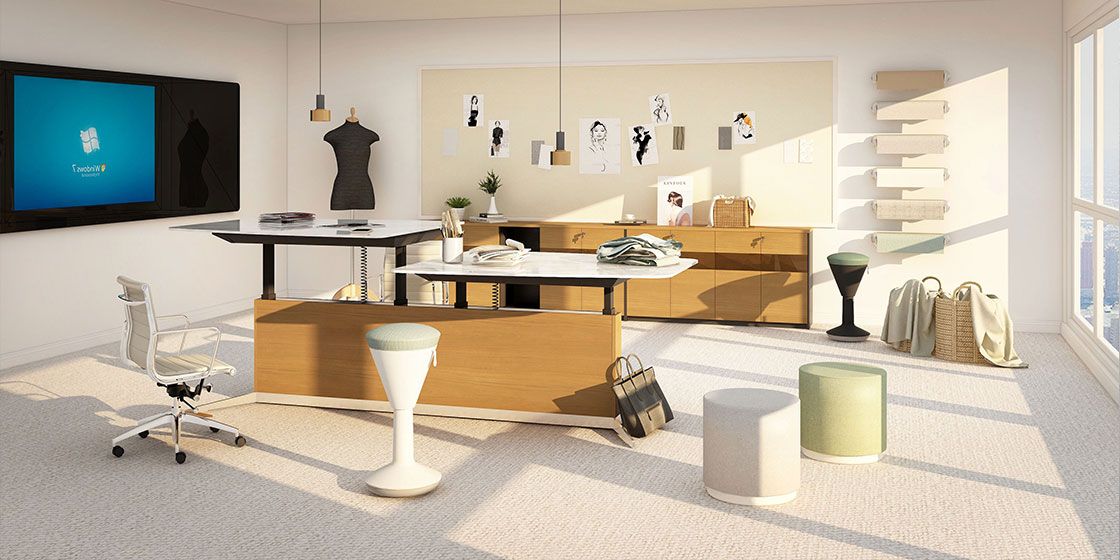
When clients see, through a small screen, how high-end customized smart furniture creates an efficient collaborative atmosphere, how hidden storage keeps the site orderly, and how noise-reducing furniture achieves clearer communication, these remote clients no longer need to browse folders of company introductions — through the furniture itself, they already understand the company's strength.
4. With differentiated building structures, office furniture helps elevate corporate culture
With the progress and development of the construction industry, the space, form, and materials of buildings are reshaping the relationship between people and architecture, and “internet-famous office towers” are springing up one after another. Many companies ride on the “popularity effect” of these business districts and move in — especially startups eager to build brand influence, or mature companies considering expansion.
If the external architecture can help a company raise its “visit rate,” then the presentation of the interior space is the decisive factor for the “customer retention rate.” That is why more and more companies choose customized office furniture: only when furniture and environment complement each other can corporate culture be better elevated through differentiation.
In short:
For future-oriented companies, office furniture is no longer just decoration at a workstation. It is an essential component of the office space — the first business card you hand to peers, society, the outside world, and even the world at large. If you want the company to reap greater benefits, you must take office furniture seriously.
You may also like
European Designer Interview: Uncovering the Fun of Office Furniture
Read More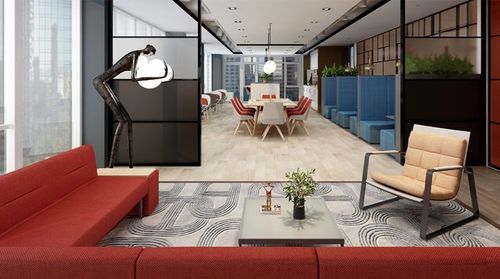
The Primacy Effect: First Impressions Apply to Office Furniture Too
Read More