Design Elements of Flexible Office Layouts and Furniture Pairing
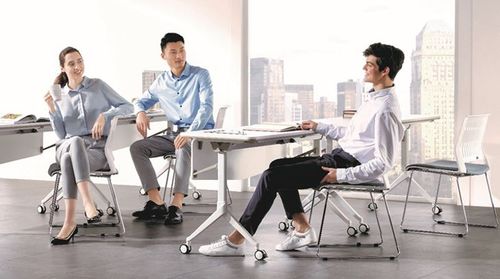
As modern work models continue to evolve, flexible office layouts paired with the right office furniture have become a trend. This new way of working aims to improve efficiency and promote team collaboration while creating a more comfortable, healthier work environment for employees. This article covers the factors to consider in a flexible office layout, helping you achieve that goal.
1. Combine openness with privacy:
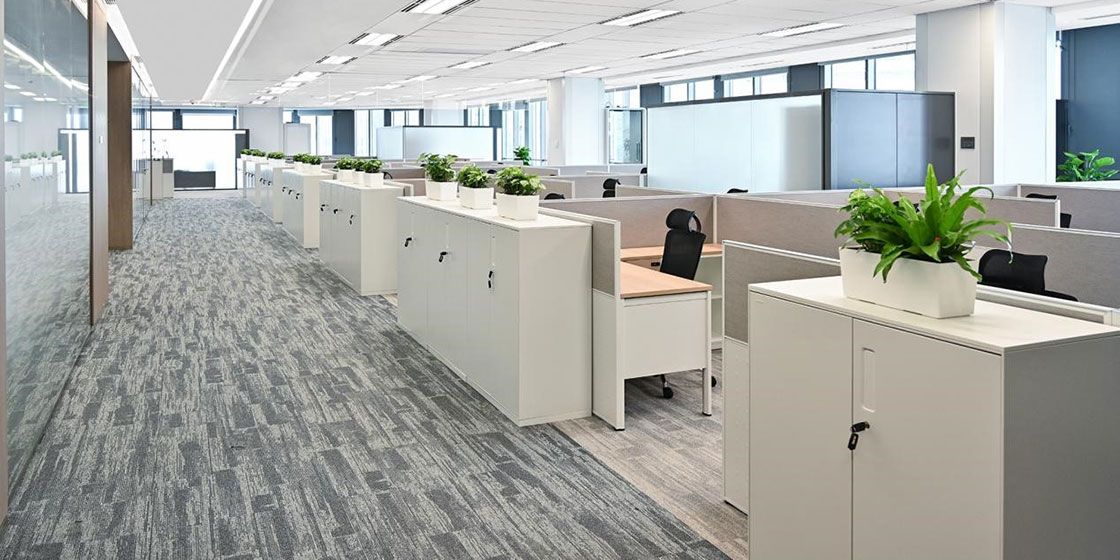
To meet the needs of different teams and employees, a flexible office space should be both open and private. Openness means employees can communicate and collaborate easily; privacy means they can concentrate on their work without outside distractions. In the layout design, consider using sound-insulating materials or installing acoustic booths to provide private workspaces.
2. Furniture that is easy to reconfigure and flexible:
A flexible office layout should be easy to rearrange to meet the needs of different teams and projects. At the same time, the design should allow for flexibility of space, so employees can easily adjust the size and position of their work areas.
3. Prioritize natural light and ventilation
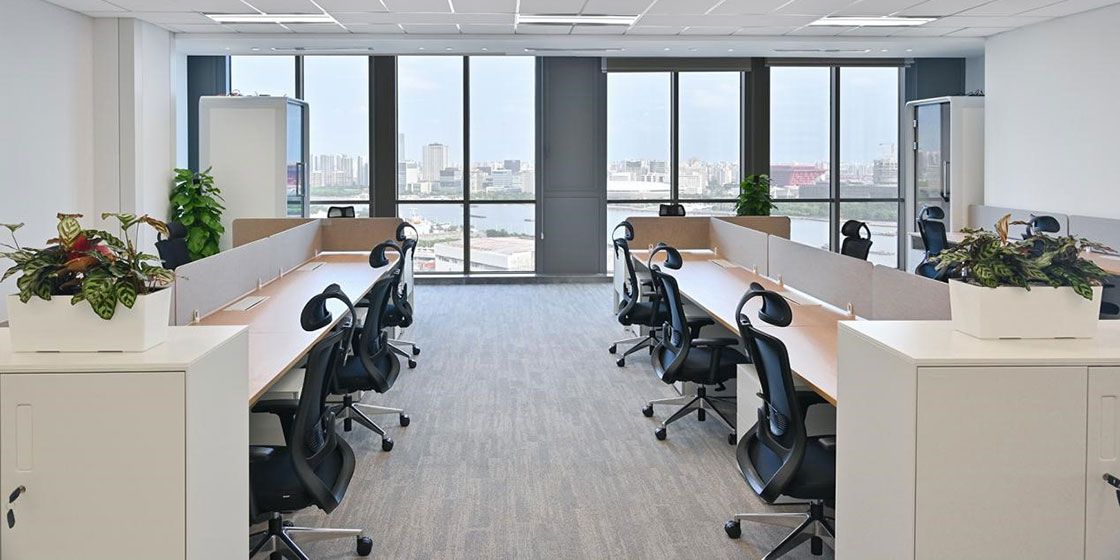
A flexible office layout should make the most of natural light and ventilation to create a comfortable work environment. This reduces the energy consumption of artificial lighting and ventilation equipment while benefiting employees' health and productivity.
4. Layout that follows ergonomic principles
A flexible office layout should follow ergonomic principles so employees can work comfortably and avoid the fatigue and discomfort caused by long hours. For example, chairs, desks, monitors, and other office equipment can be arranged sensibly to match employees' physiological and psychological needs.
In short, the layout design of a flexible office should take all of these factors into account to create a work environment that is both comfortable and efficient.
You may also like
European Designer Interview: Uncovering the Fun of Office Furniture
Read More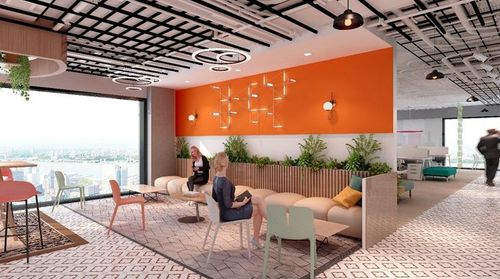
Inclusive Office Design: Optimizing Furniture for Happiness
Read More
Inspiring Offices: Design That Attracts and Keeps Talent
Read More