
Building a Collaborative Office Starts with Buying the Right Furniture
An efficient, cohesive team is the foundation of any company aiming to grow big and strong. Without strong team support, a company is just an empty shell that cannot go far. That is why, when building office space, companies should create an atmosphere that makes friendly communication and close collaboration easier. On this point, Yihang suggests starting with the purchase of office furniture: furniture is an indispensable element of any office space, and choosing it well makes space-building twice as effective, helping the team achieve high-quality collaboration.
Below, Yihang offers some reference advice on buying furniture for different types of collaboration spaces.
1. For regular collaboration spaces, storage furniture comes first
Team collaboration involves information exchange, resource sharing, and a series of other processes — how should all those materials and documents be properly stored? A cluttered office damages the company's image, sours employees' mood, and drags down efficiency. That is why storage furniture should top your purchasing list, especially for smaller companies, which should buy or custom-build even more of it. Then employees can retrieve files calmly in an orderly, tidy space with plenty of room to move around, making collaboration more efficient and more pleasant.
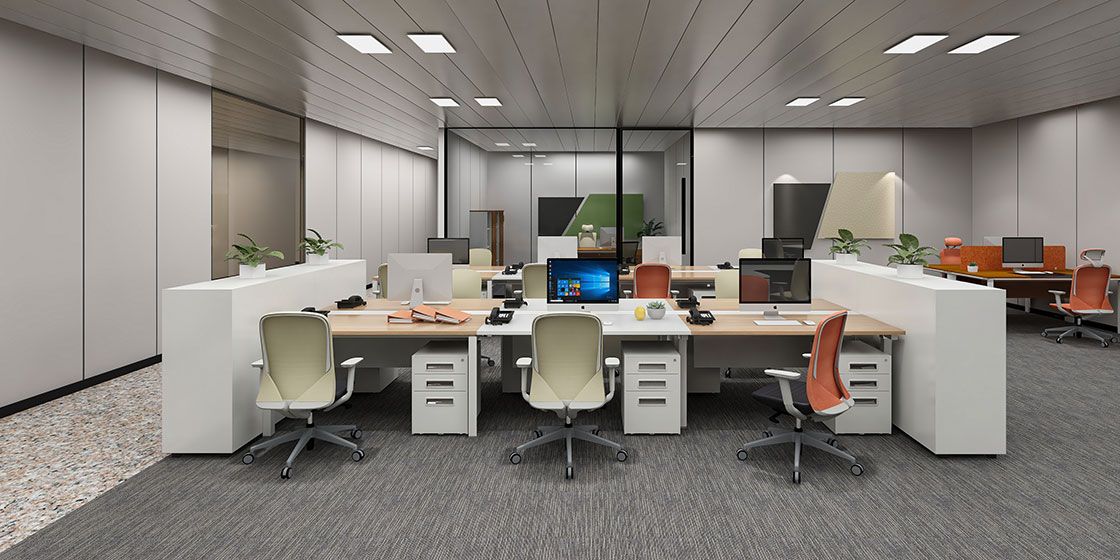
2. For flexible collaboration spaces, modular furniture comes first
In a fast-changing digital era, companies that want steady growth need to 'go with the flow', so more flexible collaboration spaces have become a basic need for digital businesses that reorganize teams to match strategy. For these spaces, modular furniture should be the first choice: its components are flexibly interchangeable and easy to install — separable sofas, reconfigurable desks, multi-purpose chairs… In just a few minutes, employees can rearrange a work zone within limited space and dive straight into their ideal working state, giving the team a collaboration space of its own whenever needed.
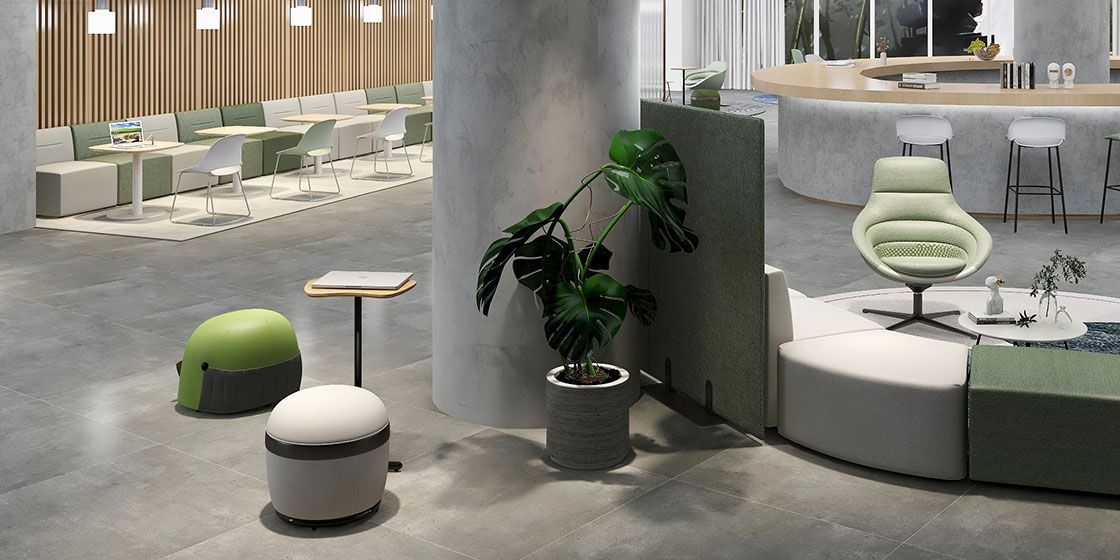
3. For casual collaboration spaces, residential-style furniture comes first
As fast-paced work piles on pressure, design-driven companies and many startups are concentrating on building collaboration spaces that combine 'spark inspiration, exchange ideas, start cooperation'. It makes efficient use of the office, and the 'de-formalized' work experience suits younger professionals better. For such casual collaboration spaces, residential-style furniture should be a priority: compared with traditional straight-lined, cold-toned furniture, it creates a homey, relaxed space that lets employees unwind naturally, powerfully stimulating creative thinking and improving collaboration efficiency.
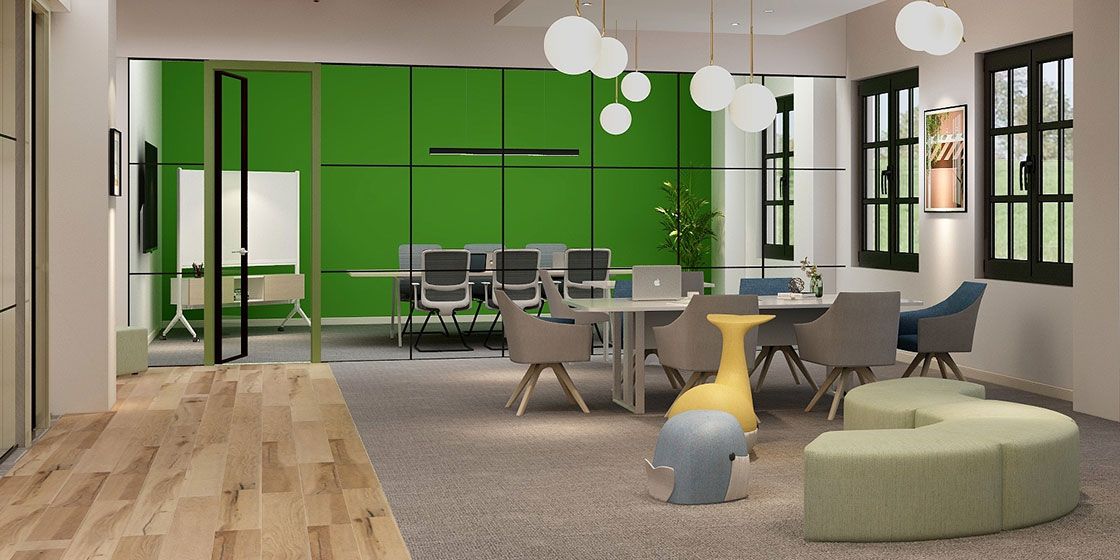
4. For shared collaboration spaces, consider quiet furniture
As work models diversify, shared office spaces have won favor for being efficient and flexible, and the rise of shared rental centers has spawned a large wave of shared collaboration spaces — demanding fresh thinking about furniture. Note that conquering noise is the biggest challenge these spaces face, so companies should seriously consider soundproof furniture. In the current market, quiet booths get the best reviews: Yihang's N-space private booth, for example, is built from aerospace-grade aluminum with high-density acoustic felt inside, blocking out every interruption. When employees need a moment of independent thought during collaboration, or step aside briefly to handle personal matters, this is the perfect mini office station.
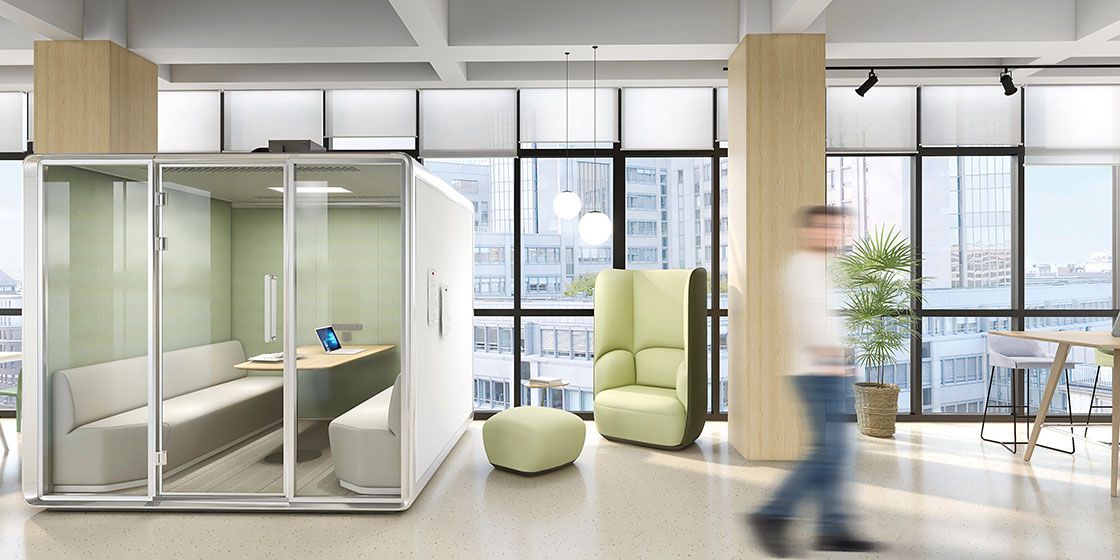
In short: as the role of office space keeps evolving and collaboration spaces become an indispensable part of office design, we must choose furniture for them with an up-to-date mindset and vision — so the workspace becomes not just a place to work, but a home where dreams come true.
You may also like

European Designer Interview: Uncovering the Fun of Office Furniture
Read More
The Primacy Effect: First Impressions Apply to Office Furniture Too
Read More
Healing Office Workers' Obsession with Symmetry in Design
Read More