Will Hybrid Work Come After the Pandemic? Four Furniture Designs Set to Win
Since the outbreak of COVID-19, companies at home and abroad have gradually adapted to "hybrid work" — a combination of remote and in-person working. Compared with one-size-fits-all office spaces, the role of office furniture is quietly changing, evolving from merely meeting functional needs to supporting socializing, remote collaboration, and culture-building in the new office. It's fair to say that office furniture design is facing a fresh round of challenges.
Economic globalization means the hybrid-work policies of global tech giants such as Google and Facebook are influencing companies in China. And although people in China have long "returned to the office," cross-city meetings have gradually been replaced by remote online conferences to stay ready for pandemic developments — a prototype of the hybrid-work scenario. In this climate, future office furniture design must balance health and a human-centered experience while responding quickly and flexibly to the ebb and flow of the pandemic.
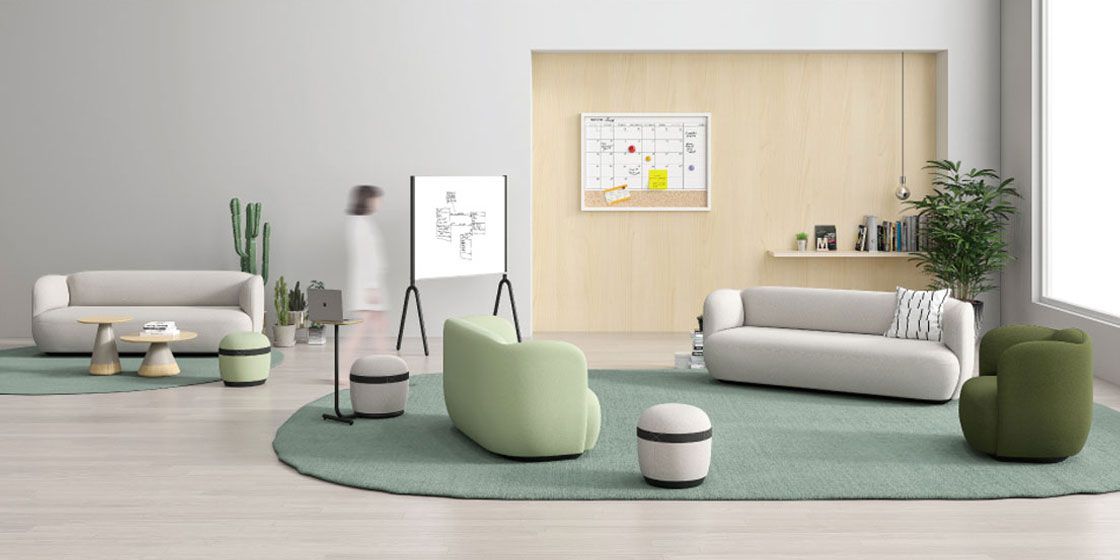
Is hybrid work the future?
Simply defined, hybrid work allows employees to choose where they work — and what furniture they use — based on their own schedules, blending the virtual office with the physical one. The advantages are obvious: "less commuting time, freedom to arrange your work, fewer interruptions." But the drawbacks exist side by side: "a lack of engagement and belonging, slower decision-making, easy distraction, and a sharp drop in self-efficacy."
Flexible hybrid work also affects companies. Adopting a hybrid model saves costs, and the benefits are even more obvious for results-oriented businesses.
As urban rents rise broadly, a hybrid model with flexible furniture design and fewer fixed workstations can dramatically shrink the office area a company needs, cutting rent costs.
It saves entertainment and travel expenses. According to a report Google disclosed in Q1 2021, with most employees working from home, Google saved 268 million yuan on employee entertainment and travel — roughly $10,000 per Google employee in 2020.
Whether we will fully embrace "hybrid work" in the future remains an open question, but a sensible hybrid model (planned around job roles, protecting company efficiency while respecting employee freedom) will grow more and more popular. Office furniture design is closely tied to future work models, so the following four trends are highly likely to emerge.
1. Flexible furniture design — agile and efficient
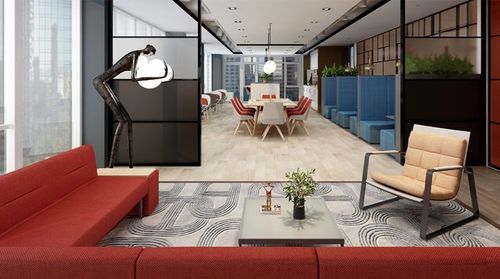
Our work scenarios are already increasingly diverse: open plazas, casual bar counters, and restaurants can all become workplaces. Whether or not hybrid work fully arrives, uncertainty about office space is already an inevitable trend.
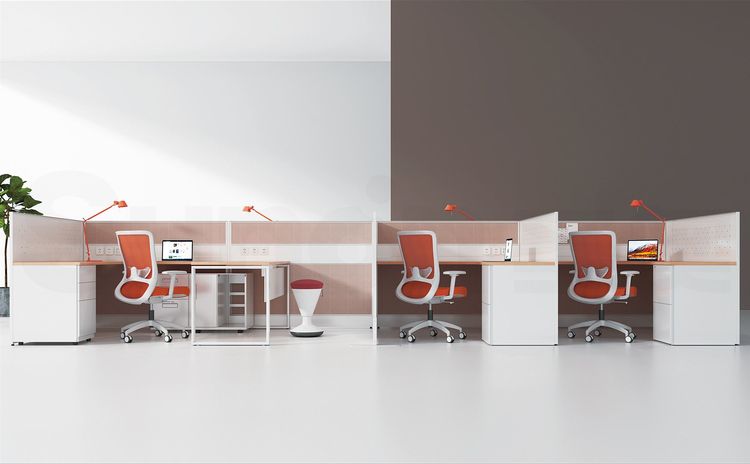
How can furniture design create an "agile work" model and break through the twin awkwardness of space limits and time pressure? Light, easy to move, quick to transform, one piece with many uses… modular office furniture design plays a vital role, helping workers stay comfortable and focused and deliver real working value.
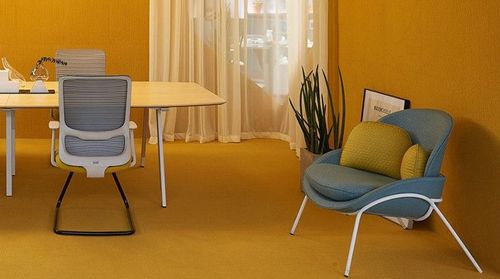
2. Home-style furniture design — warmth built in
In the industrial age, cold assembly lines and dreary environments made people mere appendages of the office. In the post-industrial age, we've moved into comfortable, premium office buildings, and the "serving people" nature of furniture design has gradually come to the fore.
Having experienced pandemic "work from home," we now see that home and office can coexist. So in the future, we can expect furniture design to "remove boundaries" and carry home DNA in its design — an office space that combines work, leisure, and entertainment to build a more relaxed, freer, more fun corporate culture.
At the same time, home-style furniture design will spur a larger group of people to recognize — and happily accept — bringing office furniture into their homes. A reshaping and renewal of the whole furniture industry may not be far off.
3. Digital furniture design — leading on health
In the post-pandemic era, "safer and healthier" has been one of the catalysts behind the rise of working from home. As office workers' consumption upgrades, digital furniture design must shoulder not only the duty of boosting efficiency but also the mission of safeguarding health.
Office chairs that monitor workers' health indicators, desks that rise automatically for standing work, or comfortable sofas with infrared heating — these are all ways of weaving intelligence into furniture design, suitable for today and ready for tomorrow. Yihang's Atlas standing desk features "zero-contact" height adjustment that is safe and healthy while enabling multi-scenario work.
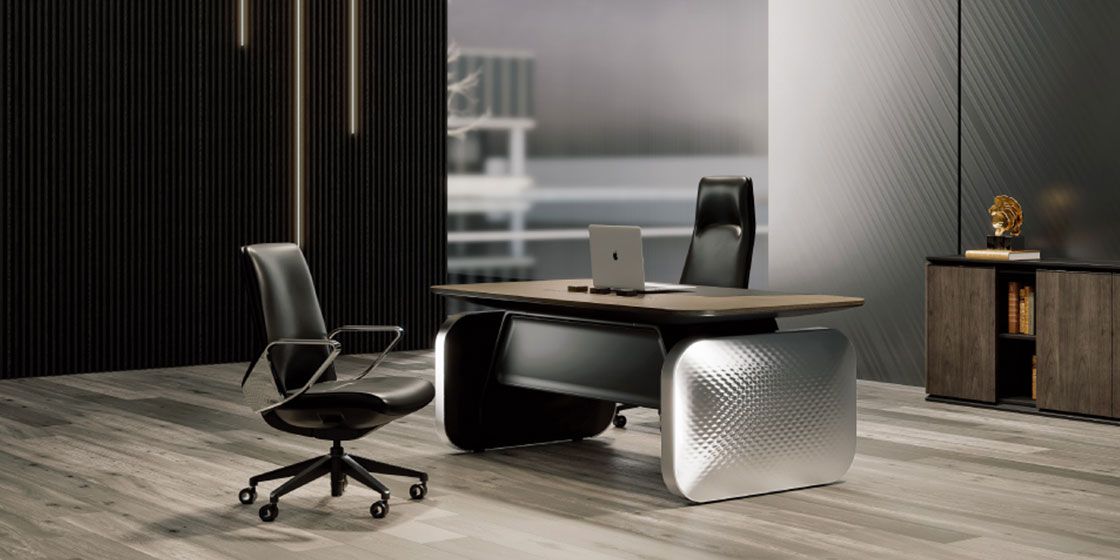
4. Nature-inspired furniture design — sparking inspiration
Both long hours at a fixed workstation and the free-wheeling state of hybrid work eventually hit an inspiration slump. Over time, dullness, tedium, and pressure gradually set in, becoming a major cause of creative exhaustion.
Nature is the best inspiration master. Furniture design that incorporates natural ideas can engage the "five senses" through color, form, scent, touch, and sound, letting employees enjoy work even in the middle of the city and effectively easing anxiety.
Furniture designs inspired by nature can also inject energy and fun into the office atmosphere, helping spark employees' imagination.
In short, whether or not hybrid work arrives, one principle remains: good office furniture design must be "people-centered." Beyond looks, durability, and use scenarios, whether a design can help transform the office space is also a key factor in how we judge it.