
What Makes Furniture Beautiful? How to Recognize Great Office Furniture
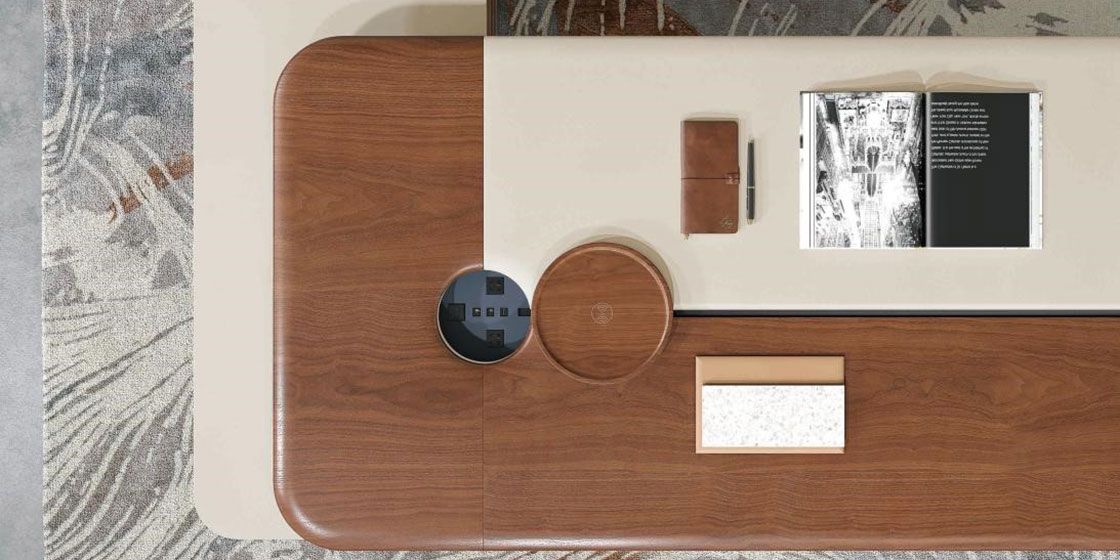
Different office furniture companies differ in business philosophy, equipment and facilities, and staff expertise, so the furniture they produce inevitably varies. Although these differences are often hard for most buyers to distinguish without a professional's eye, that is no reason to deny they exist. For most people, such differences are not the primary factor in their purchase decision. What actually stimulates the desire to buy is whether the furniture is beautiful — or, put plainly, whether it looks good.
So what makes furniture beautiful? As the saying goes, there are a thousand Hamlets in the eyes of a thousand people. The beauty of furniture is hard to measure with a single ruler.
Wang Shixiang, the renowned Chinese scholar of classical furniture, summarized the beauty of Ming-style furniture (hardwood furniture crafted by master artisans since the mid-Ming dynasty from zitan, jichimu, huanghuali, and other precious woods) as five kinds of beauty: the beauty of the wood, the form, the structure, the carving, and the ornamentation. In his view, Ming-style furniture should be judged from these five aspects: material, form, structure, carving, and decoration. Office furniture, with a history spanning thousands of years, naturally embodies most of these same beauties. Beyond them, modern office furniture — shaped by technology and the times — can also be judged for its beauty in terms of comfort, health, intelligence, and color.
I. The Beauty of Comfort
Office furniture is equipment for working, so comfort is indispensable. Yet at some companies, users can't even stretch their legs under the conference tables they make — clearly uncomfortable. Other chairs leave your back aching and backside sore after a short sit — clearly uncomfortable too. Furniture like this cannot be called beautiful.
II. The Beauty of Health
With technological progress and social development, health has become the top criterion for Chinese consumers when choosing everyday products, and the same consideration applies to furniture. The healthiness of office furniture lies in eco-friendly materials, ergonomic design, and pollution-free manufacturing. None of these can be ignored when choosing office furniture.
III. The Beauty of Intelligence
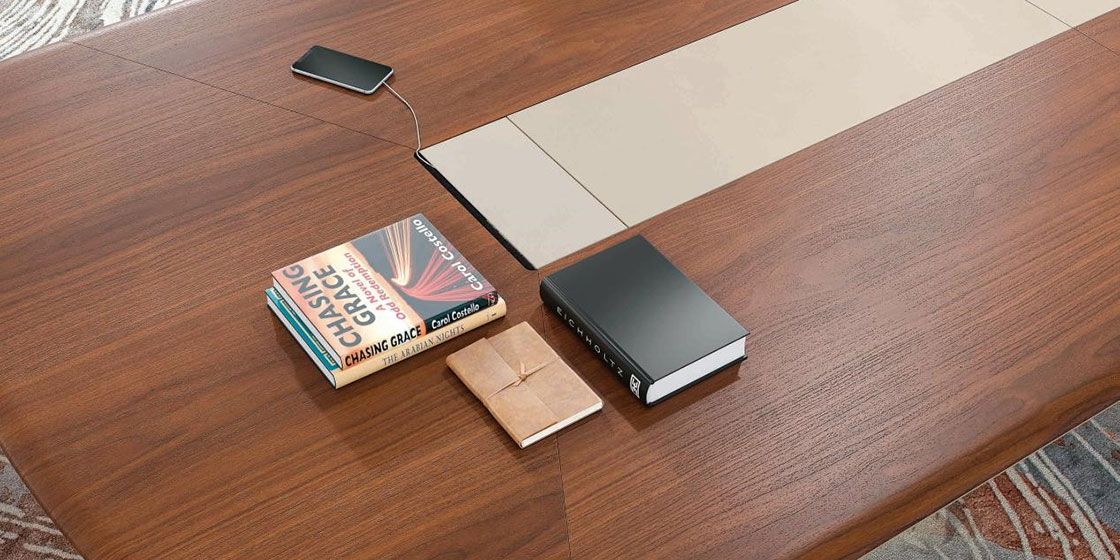
As times have changed, people long ago stopped being satisfied with furniture's basic functions and now place higher demands on added features. Hence the rise of smart furniture. Today's professionals want to control the devices in their workspace right from their desk — including sit-stand reminders, sit-stand working, daily wellness prompts, and more.
IV. The Beauty of Color
Today's furniture has long since broken free of natural wood tones and become richly colorful. People can choose suitable furniture colors based on their profession, industry, and office environment. Medical and senior-care spaces might choose blue or green; open business offices are mostly white; energetic, sporty workspaces pair better with red to lift the spirits — and all of this continues to evolve with the times.
Of course, there are many more kinds of beauty in office furniture — the beauty of form, of ecology, of flexibility... Where these beauties merge, the ultimate meaning of furniture's beauty lies in whether it fulfills people's pursuit of a better working life. If the office furniture you choose meets users' aspirations for a better way of working, it is beautiful and good furniture. If not, the reverse holds true.
You may also like
The Primacy Effect: First Impressions Apply to Office Furniture Too
Read More
European Designer Interview: Uncovering the Fun of Office Furniture
Read More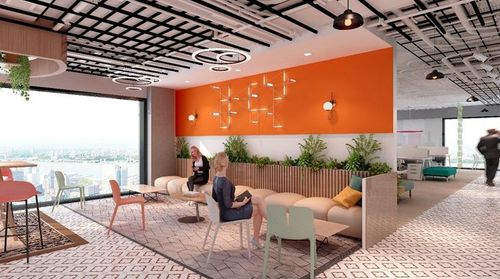
Inclusive Office Design: Optimizing Furniture for Happiness
Read More