What Makes a Great Chair: Support and Frequency of Use
When choosing office chairs for your team, you don't need to wade through complicated parameters. Focus on two essentials—'support' and 'frequency of use'—and you can meaningfully improve employee health and the office experience.
Key One: Support — the Foundation of Sitting Long Without Fatigue
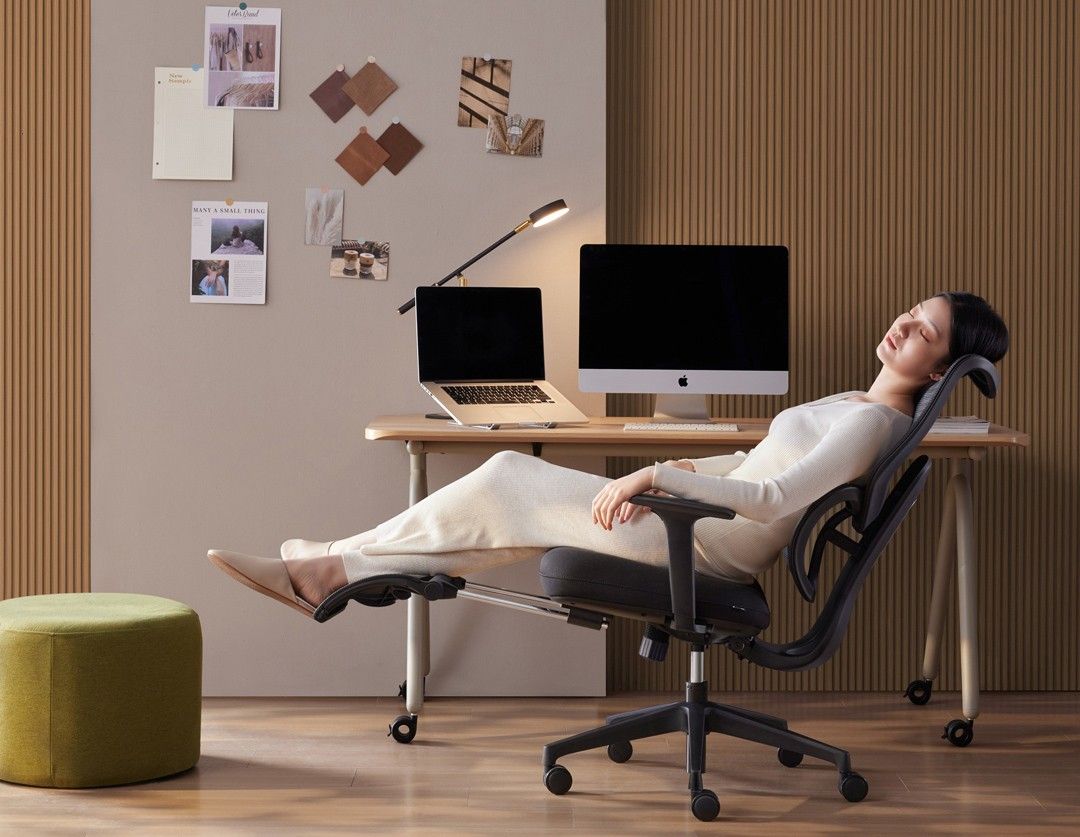
The core is the 'dynamic lumbar support': choose a lumbar cushion that adjusts in depth, front to back. It should track your posture in real time, supporting the entire span from the lumbar spine to the sacrum and preventing strain caused by gaps in support. Take the Yihang Haji chair as an example: its lumrest extends and retracts horizontally with a 42mm range, cleverly solving the support challenge across different sitting postures. When users lean forward to work—even with their back off the chairback—the forward-adjusting lumbar pad still provides firm support, keeping the lower back from hanging unsupported. For petite users, shifting the lumrest forward effectively reduces the seat depth, ensuring the lower back is properly cradled and support reaches down to the sacrum for comprehensive coverage from lumbar spine to pelvis.
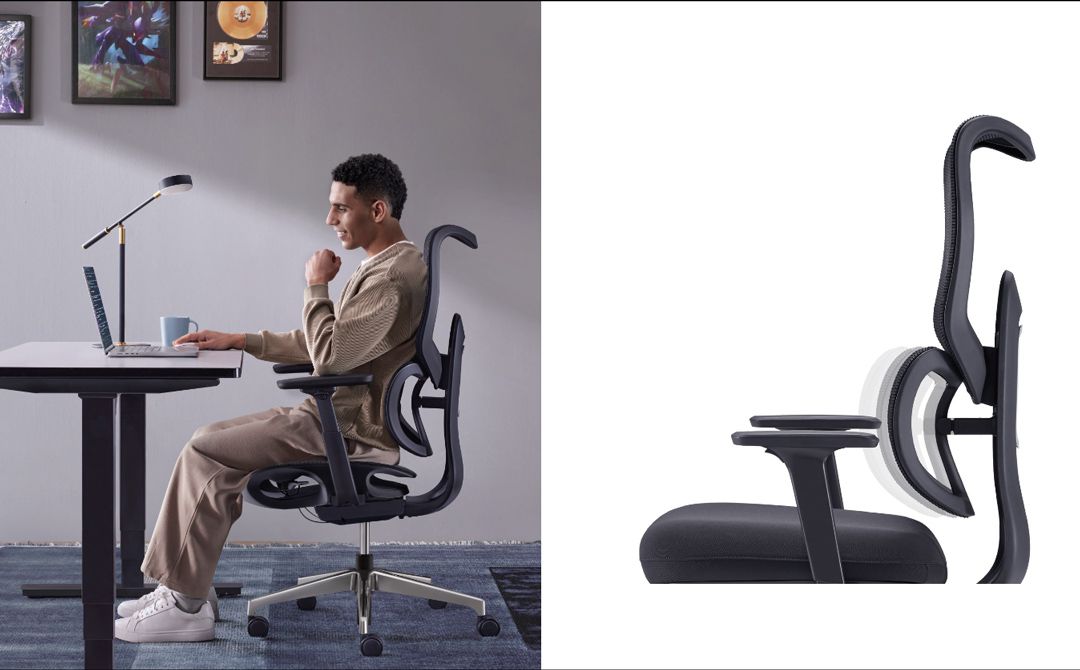
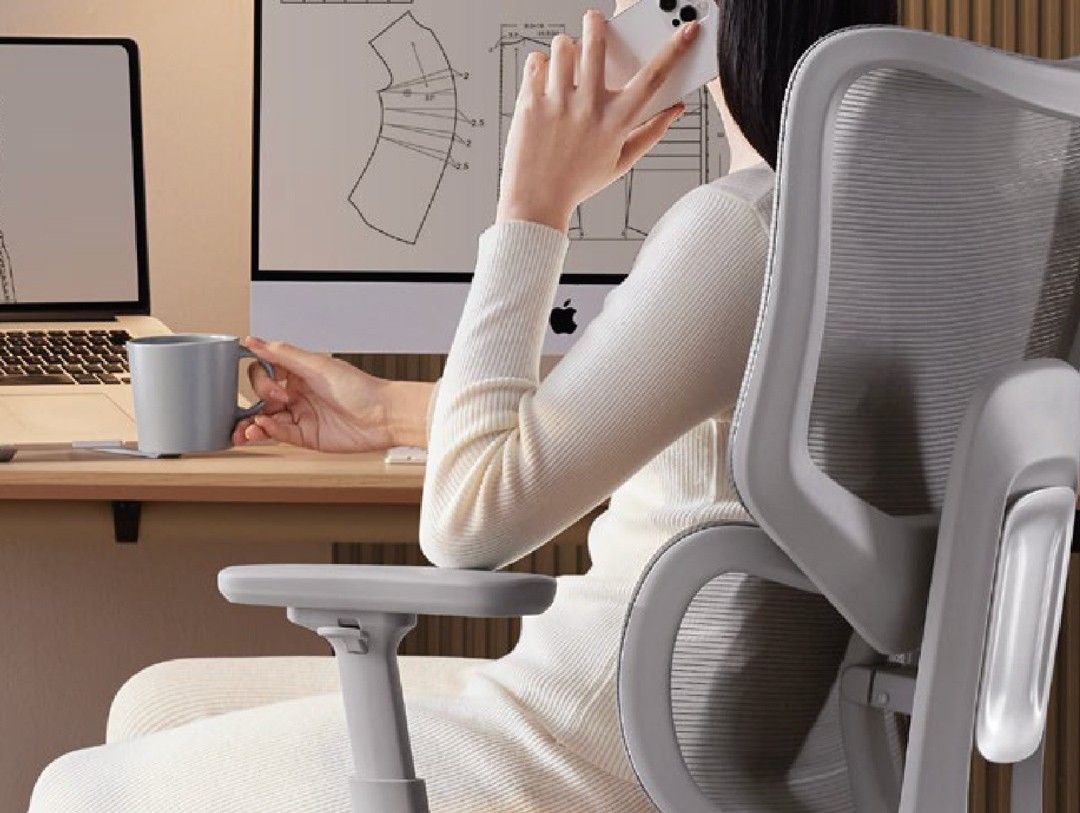
The bigger picture is 'coordinated support': headrest and armrests must work in concert with the lumbar support. An adjustable headrest cradles the cervical spine, while multi-directional armrests relieve pressure on shoulders and arms. Together with the lumbar pad, they form a complete support system that effectively disperses the strain of prolonged sitting.
3D headrest adjustment: with precise adjustment across three dimensions, users can find the head support position best suited to their height and sitting habits.

4D armrests: matched to every posture, they keep elbows relaxed at the sides, while horizontal rotation supports the arms across different work modes—typing, reading, and more.
Key Two: Frequency of Use — the Experience That Determines Whether It Gets Used
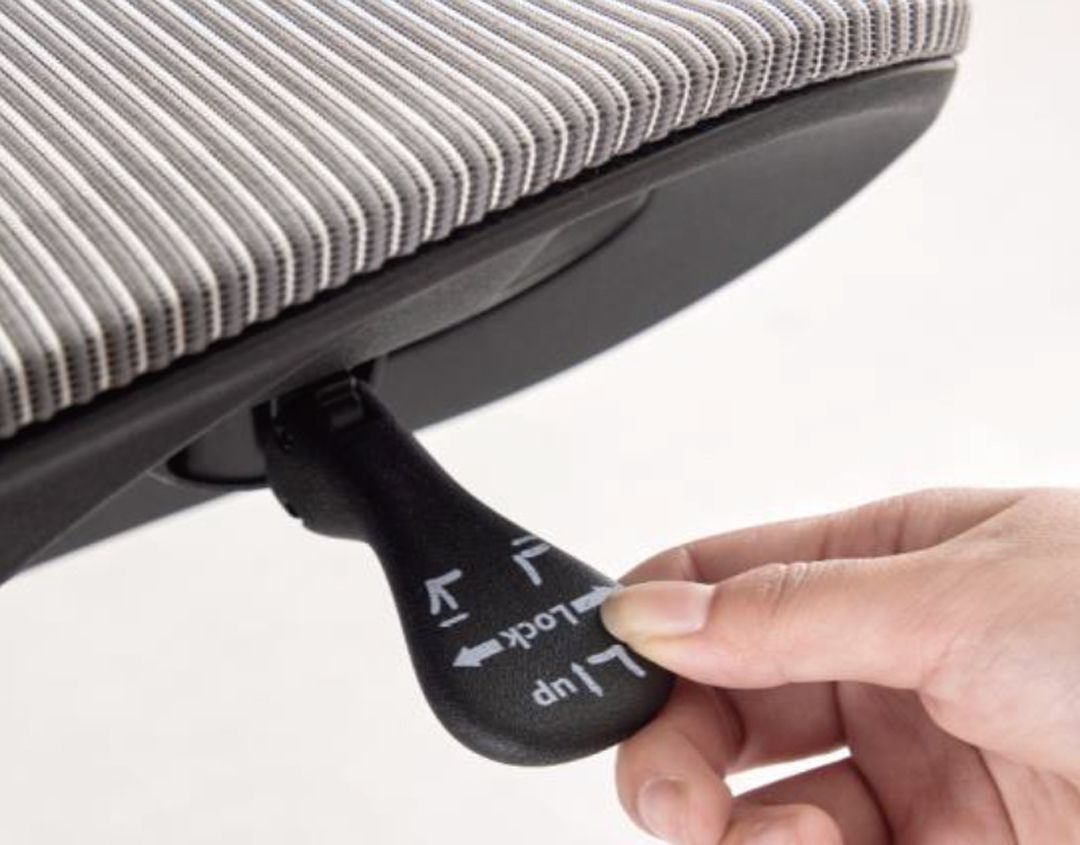
Even the best features go unused if operating them is a hassle. Adjustment must be 'one-touch': core functions should work 'hands-free.' A one-touch chassis control system distills complex adjustments into single-handed operation, making it easy to fine-tune seat height, recline resistance, seat depth, and more. Employees can adjust seat height and recline angle effortlessly—dramatically raising their willingness to actually adjust.
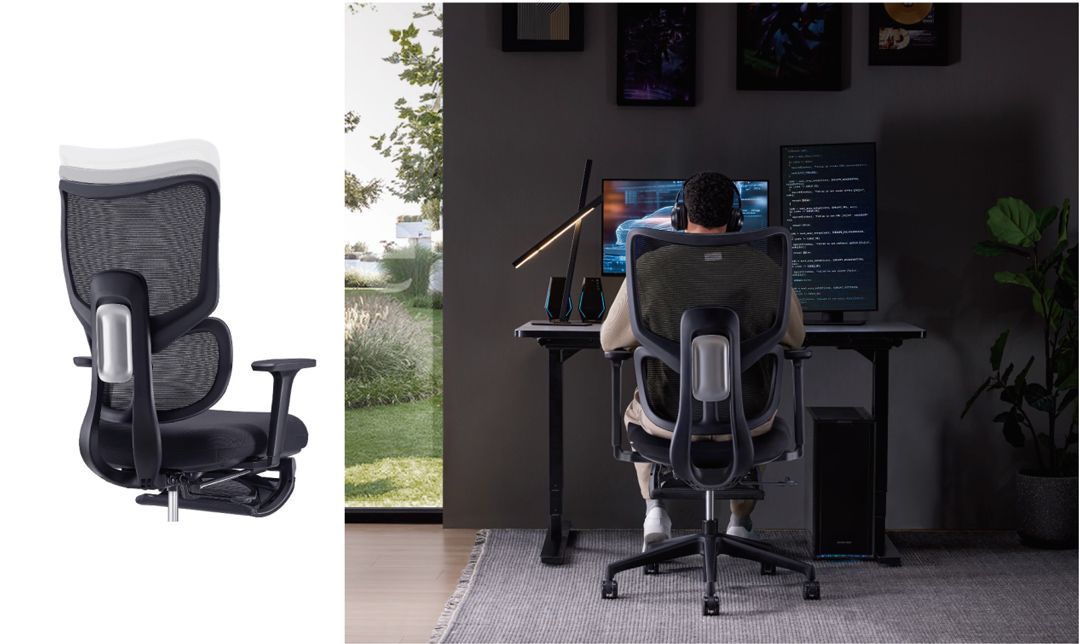
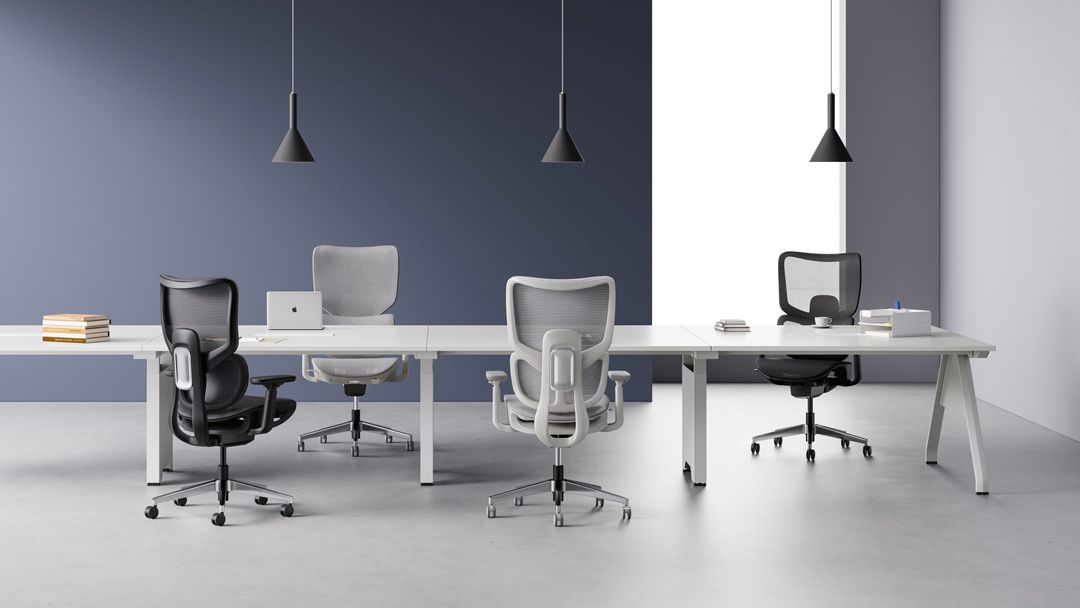
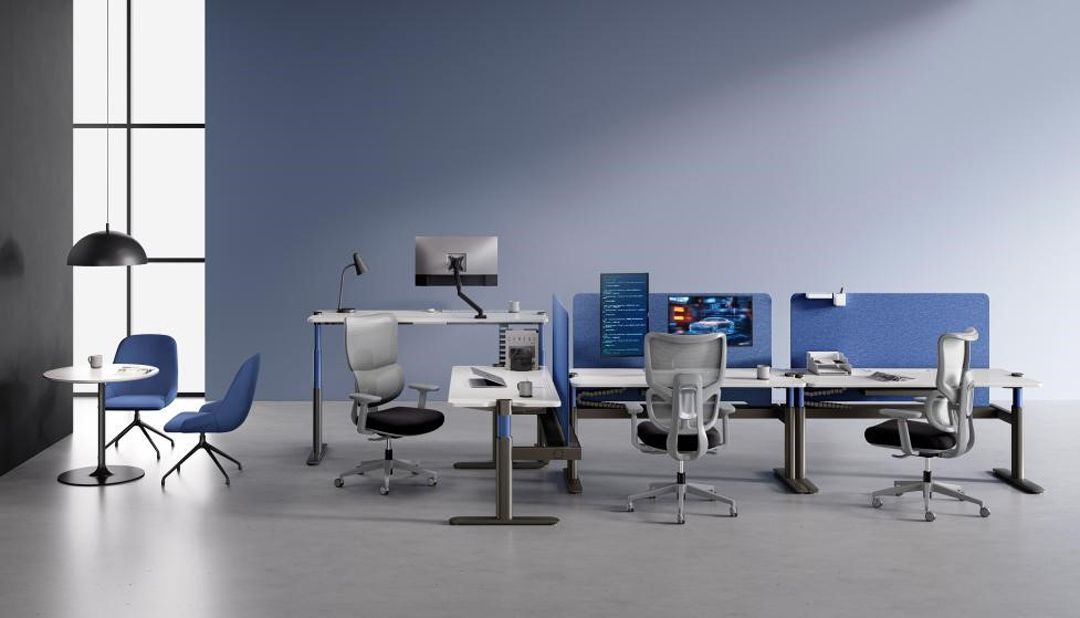
Fit is about 'blending into the environment': the chair's size and color should harmonize with the office space.
Chair dimensions need to match the office. As a rule, a seat width of 65–75 cm works well—comfortable to sit in, yet mindful of space efficiency. For compact office areas, choose models with a more space-efficient base. For color, neutral tones are usually recommended, making it easy to pair with other office furniture and reuse as seating rotates through the workplace.
Key Three: Seat Cushion Support — the Comfort That Decides How Long You Stay
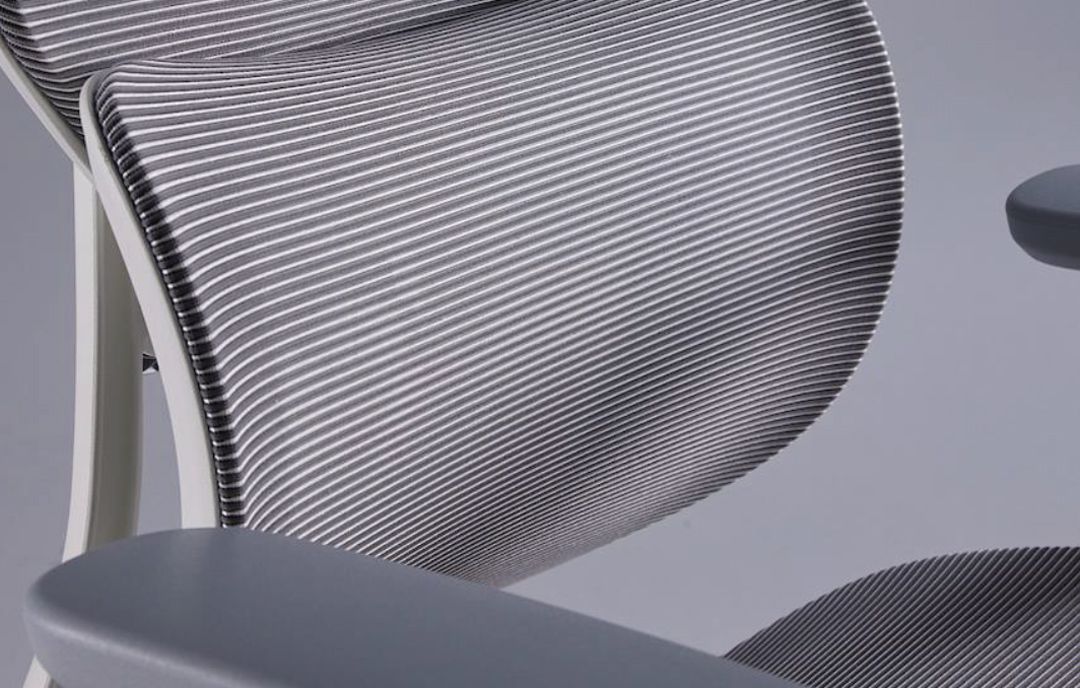
The cushion is the part of the chair your body touches longest—it determines whether you want to sit there for hours. Office chair cushions are typically foam or mesh. High-density foam cushions: supportive, and resistant to sagging. High-polymer mesh cushions: breathable and springy, they relieve pressure on the thighs and give the seat a more refined look.
By selecting office chairs scientifically, companies not only improve employee comfort but also optimize how office space is used. Products from professional office furniture brands like Yihang are designed with modern work needs in mind, making them an ideal choice for building an efficient office. When buying, match the chair to your actual needs and choose the model that fits best, creating a healthier, more comfortable work environment for your employees.