Three Issues to Watch When Ordering Custom Office Furniture
As the working needs of office workers diversify, the aesthetics and functionality of office spaces have entered a whole new stage of evolution, and many companies now favor custom office furniture. However, "custom" doesn't mean furniture design and production can be done entirely on a whim; there are still issues to watch out for. Today, we're sharing several points often overlooked in office furniture customization, hoping to help businesses with custom furniture needs.
1. When customizing office furniture, don't choose colors based on personal taste alone
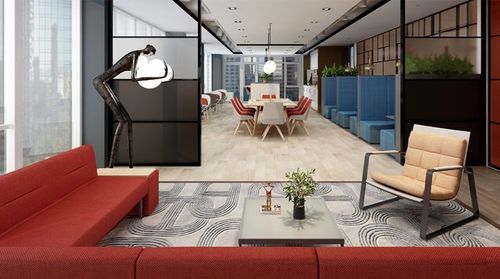
The color scheme of office furniture is closely tied to its material, the space's lighting, and the overall office style. Yet some companies lacking experience in furniture customization often make the final call based purely on their personal aesthetic preferences, which can actually work against the office decor. The most effective approach is to contact an office furniture customization manufacturer with a furniture showroom, and experience firsthand how furniture in different color schemes looks in different spaces. For example, in a large office, even customized furniture in darker tones such as black, white, or blue-gray will feel full of life with a few plants or soft furnishings as accents; in an office with poor natural light, you can commission the manufacturer to customize some furniture with local bright-color accents to break up the sense of dullness in the space.
2. When customizing office furniture, don't be constrained by stereotypes about size
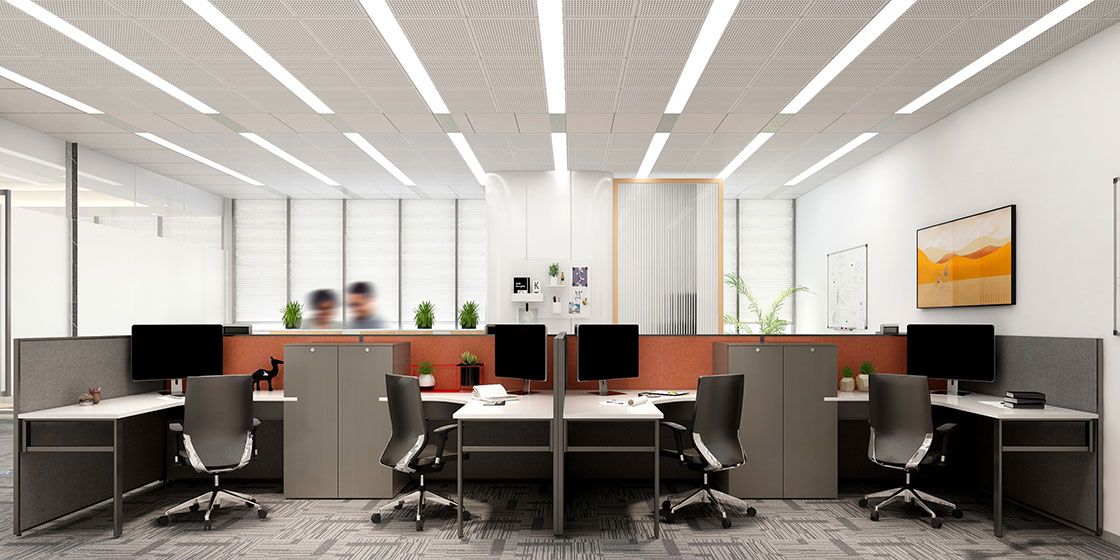
With office models becoming more diverse, in addition to fixed workstations, mobile, flexible, and shared workstations are gradually gaining popularity. So when customizing office furniture, our handling of dimensions should also break away from old stereotypes. For example, in a concentrated office area, steel cabinets can be custom-built to space out workstations, adding storage space while giving people room to turn around freely. Even in inconspicuous corridors or awkward nooks, furniture can be tailor-made, such as display shelving of varying sizes or a high bar counter, improving space utilization. For specific size constraints, consult your office furniture customization manufacturer.
3. When customizing office furniture, keep the structural layout orderly
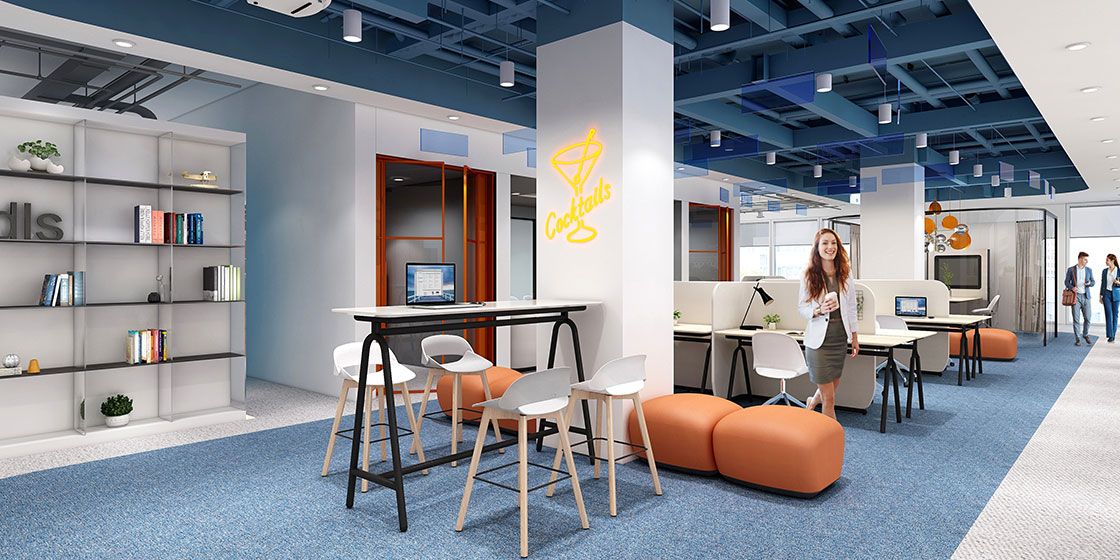
Today, open-plan office spaces have become the trend. To reflect a lively atmosphere, companies are increasingly embracing personalization in their furniture customization, but this often causes the space to lose its sense of order and beauty. In fact, excellent open-plan office design pays great attention to the overall structure and layout of the furniture, mainly reflected in the lines of the furniture and how its forms are combined. For example, curved custom furniture is usually placed in casual spaces, while straight-line custom furniture goes in formal meeting spaces or concentrated work areas. Of course, if a company really can't get this right on its own, it can seek help from an office furniture customization manufacturer. Yihang, for example, offers on-site measurement and surveying services, planning an ideal furniture layout for the company right from the early stages.
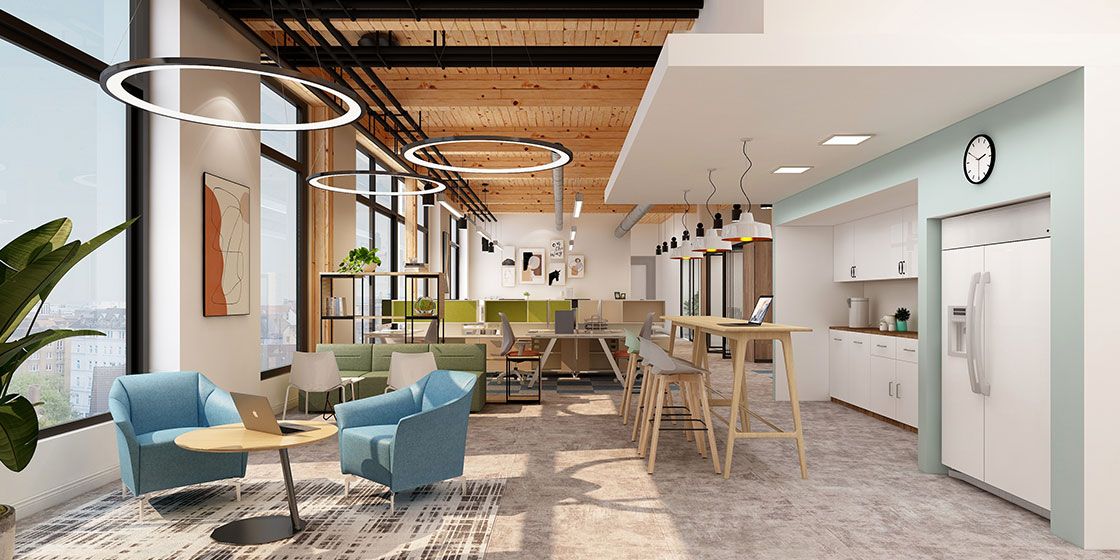
In the future, the adoption of custom office furniture will only grow, and faced with all kinds of customization needs, companies need to make wise trade-offs and judgments. Yihang's office furniture customization team provides one-stop space solutions, offering companies fairly complete custom furniture services and efficiently creating their ideal office space.
You may also like
The Primacy Effect: First Impressions Apply to Office Furniture Too
Read More
European Designer Interview: Uncovering the Fun of Office Furniture
Read More
Inclusive Office Design: Optimizing Furniture for Happiness
Read More