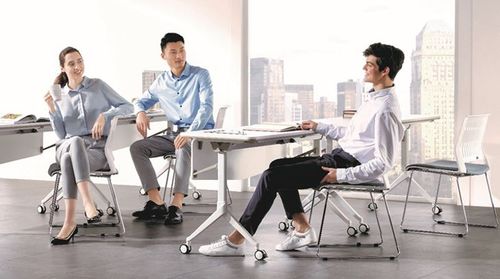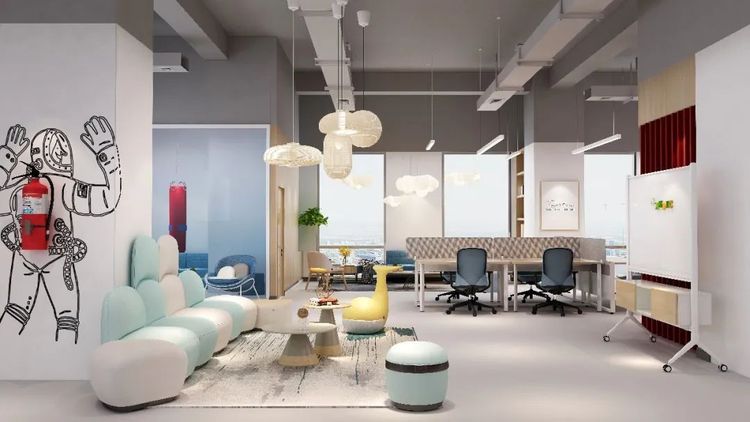
Social Connection and Collaboration: The Top Goal of the New Office
The simple pleasure of having coffee with colleagues in the café area. Unleashing creativity and posting sticky notes on a whiteboard, or sharing a digital presentation in a comfortable collaboration zone. Only when people gather around a shared sense of purpose can a space be infused with collective energy.
Although we have by now mastered several approaches to remote and video work, those methods become rather inconvenient once we face creative work that calls for sparking ideas and solving complex problems. We are losing the core experience of working together—working face to face—in spaces originally designed to encourage creativity, agility, and innovation, because it is those spaces that form the true foundation on which companies grow efficiently.
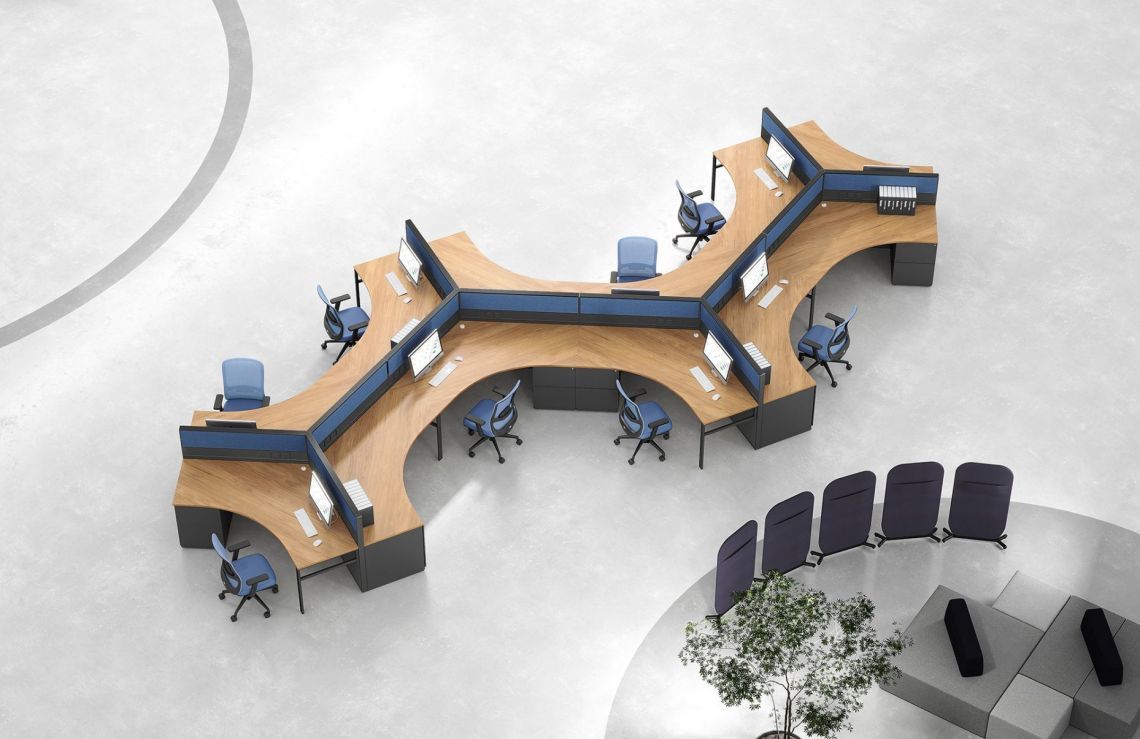
Gathering again in the office to socialize and collaborate will become the most important goal the new office must achieve.
Shared areas that support this goal will bring pleasant warmth and energy to the office. We will continue to deepen our innovation in office design, bringing more residentially inspired, more comfortable settings for everyone to support productive work. However, the objective elements that make these spaces warm and inviting—soft furniture, luxurious materials, handcrafted finishes—must now be weighed against new safety guidelines. Shared areas must now take physical distancing and cleaning protocols as their core principles, which are also essential conditions for creating a safe office environment. The spaces employees favor most must be reconfigured or created not only to improve efficiency, but also to ensure that the people using them are safe—and feel safe.

We are committed to making spaces highly appealing while meeting the new demands for safety.
And it is not only about psychological safety, because people communicate well socially only when they feel at ease both mentally and physically; physical distancing and established protocols are the safeguards that keep them safer. At the same time, shared areas need to be more effective than ever, so we should apply the following design strategies to deliver more productive outcomes.
Principles of effectiveness
Before COVID-19, our research produced a series of effectiveness principles to guide the design of shared spaces—workspaces that are both satisfying and productive. In the post-pandemic world, these principles still hold. The new challenges can be addressed through density, geometry, and zoning.
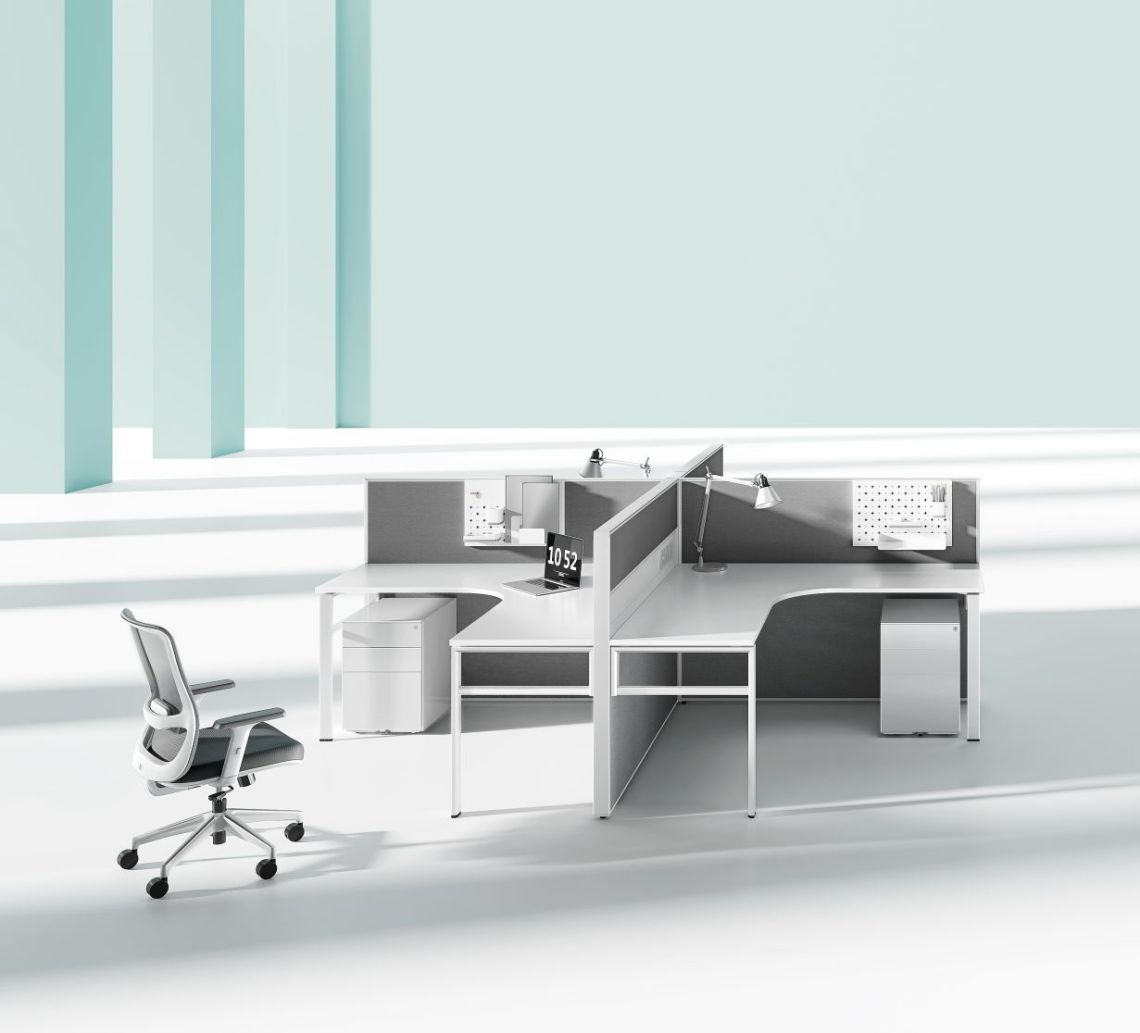
Well-being at work
Through design, shared spaces can further enhance employees' well-being at work. They make us feel more comfortable. A variety of postures encourages both active collaboration and relaxed conversation, reducing the physical fatigue that can undermine effectiveness. Bringing the outdoors in through living walls and natural materials, patterns, and colors improves air quality and lets nature's textures soothe our minds, promoting physical and mental health. Research also shows that breathing fresh outdoor air is not only good for our state of mind—when airflow is taken into account, it can even be safer than direct exposure to the outside environment. Using outdoor space to create areas for socializing and collaboration brings more options for a safer work environment.
To face the future, companies need to see the office as a key tool for building the competitiveness that comes from innovation—and that can only be achieved when people work together face to face with high efficiency and take on demanding tasks as a team. Employees are willing to return to the office only when they feel reassured; what attracts them is an environment that supports their physical, cognitive, and emotional health—a place they want to be, not a place they have to be. It is a place that meets the innate human need for connection and fulfills a shared sense of purpose and community. It is a place they can fall in love with.