Six Strategies to Create a Workplace with Well-Being
Researching the modern office to explore, describe, and explain the state of work today—and the interrelationships behind it—is an important way for the office industry to keep uncovering opportunities and moving forward. Against this new backdrop, once we all realized that the open-plan office environment had become a disaster, it also became possible for us to reflect and design a better solution for companies and employees alike. The further takeaway is that we should stop creating a traditional, monotonous, tedious open-plan office.
Dr. Tracy Brower is a sociologist who focuses on work, employees, and the workplace. In a recent article she expressed the same view, and at the same time offered six strategies for handling the situation to avoid the negative effects of open-plan office environments.
In the article, she emphasized the important relationship between the office and well-being. She argues that the office affects people's health—and not only physical health. Well-being is a holistic concept of health that includes physical, cognitive, and emotional factors. Our environment contributes to people's overall health, and that is closely tied to how it supports our bodies, how it helps us think, and how it fosters our psychological safety. The office environment can create the conditions for us to be fully engaged in our work—and, just as easily, the opposite.
Here are six strategies to help you create well-being at work:
1. Give people choice and control
For many employees, choice is a big deal. In fact, a 2016 study conducted in 20 countries (nearly 13,000 people) found that when people can choose where they work, they are more engaged and more satisfied with their jobs. When people are engaged, companies are more likely to grow, because people spend their energy freely—they are willing to go a little further to do their best work.
2. Ensure people have enough variety
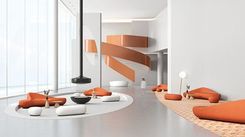
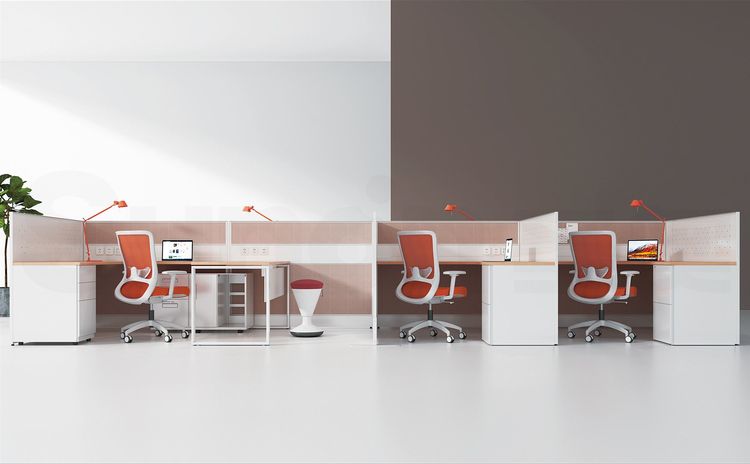
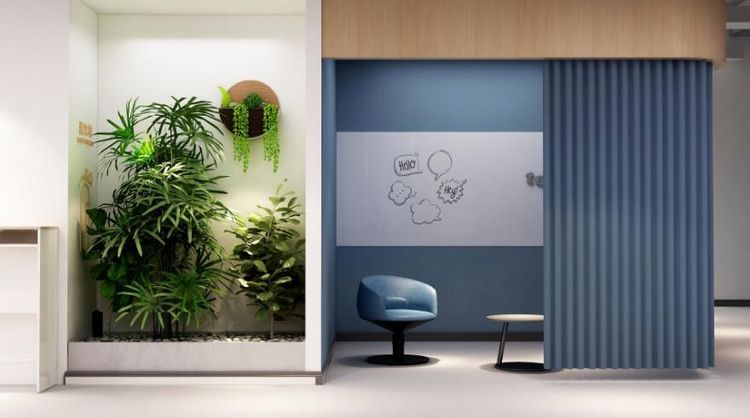
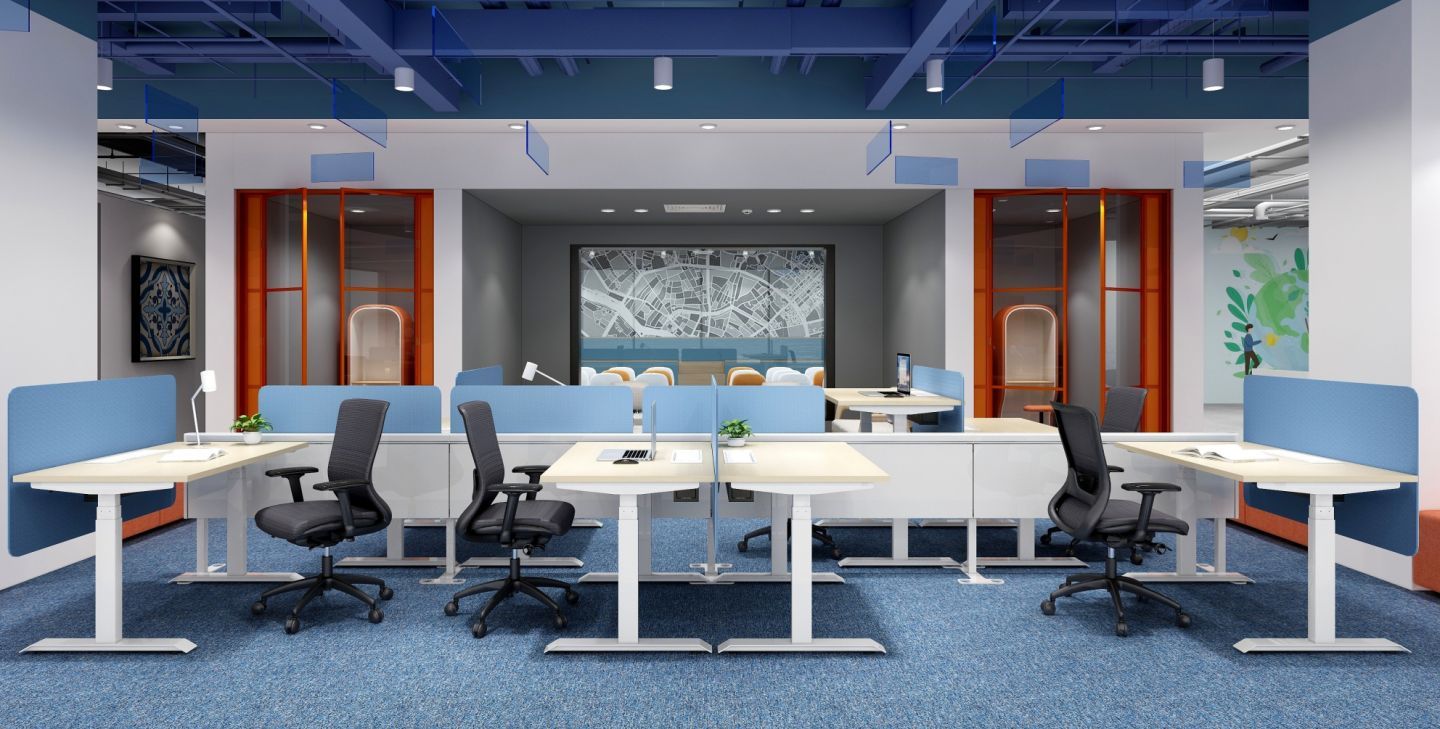
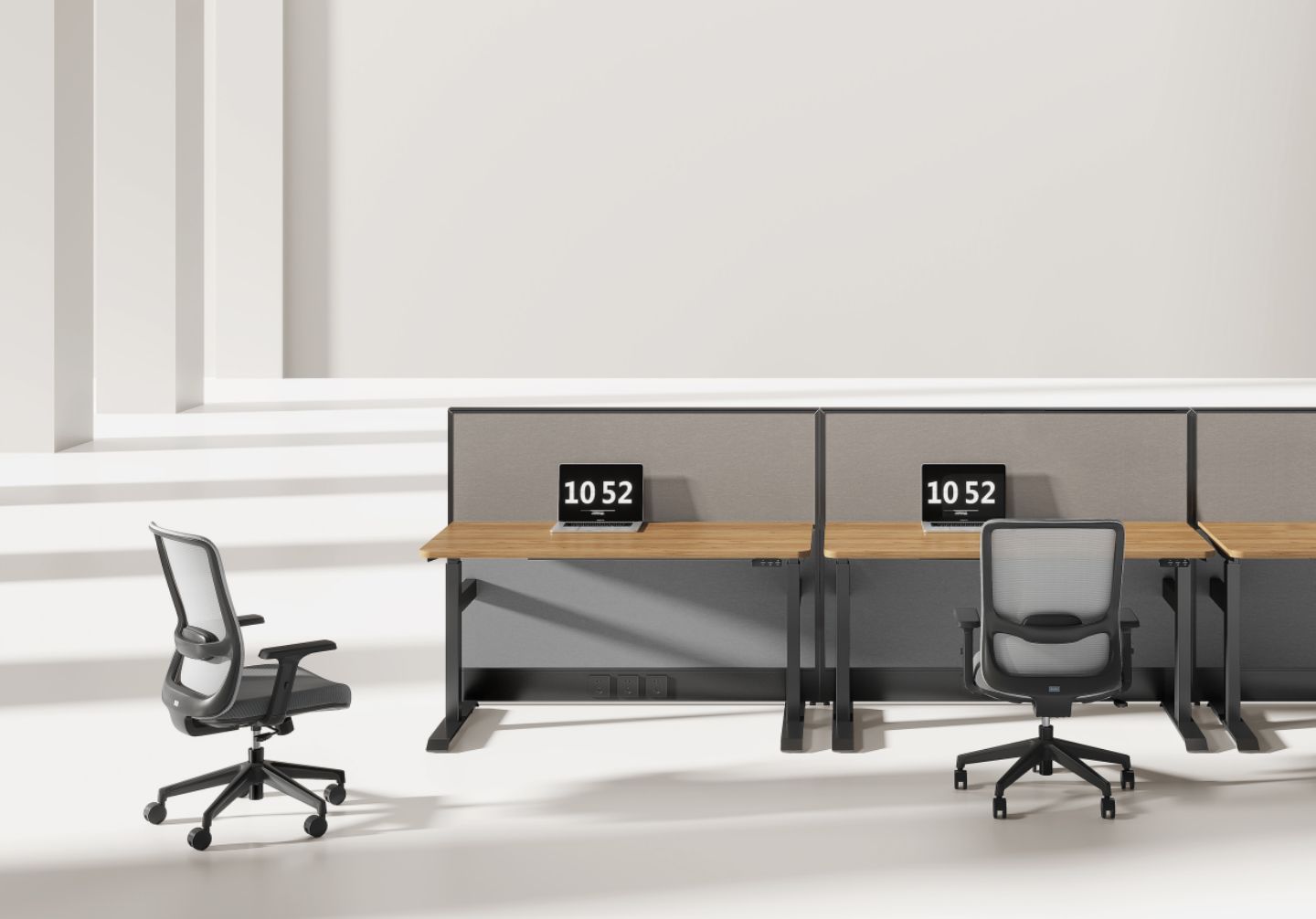
One way to offer choice is to design a place of variety—an ecosystem full of options. The best offices are not made up of monotonous cubes or rows of open workstations. Instead, they have open and enclosed places, formal and informal places, and places where people can work alone or together.
3. Empower people with a sense of personal space
Space design should meet people's need to rearrange. Start by designing a space where people can choose where they work; you can also give teams more room to display the work they are doing, hold impromptu meetings, and solve problems. Better still, provide places where people can move their furniture, so they can arrange it in whatever way best supports the different needs of the different stages of their projects.
4. Give people freedom
Variety means having many different options for where to work, but you need to make sure to invest time in cultivating an organizational culture in which people actually work in all those areas. If people feel the boss tacitly disapproves, no one will work in the café; what they need is a feeling—an experience that tells them it is perfectly fine to be away from their own desk.
5. Support multiple ways of working
A good workplace supports well-being by promoting all kinds of work modes—focus-oriented, collaboration-oriented, and learning-oriented work. In addition, most people probably underestimate how much social activity fills their workday, yet it is actually an important part of how work gets done. At its core, work is inherently a social activity, so we need to create spaces where people can build informal connections—something vital to employee well-being. The more demanding the work people do, the more they need time to rest and recover. The path to productivity is not endless busyness; it includes moments for brief reflection and short escapes from work pressure.
6. Design for nature and inspiration
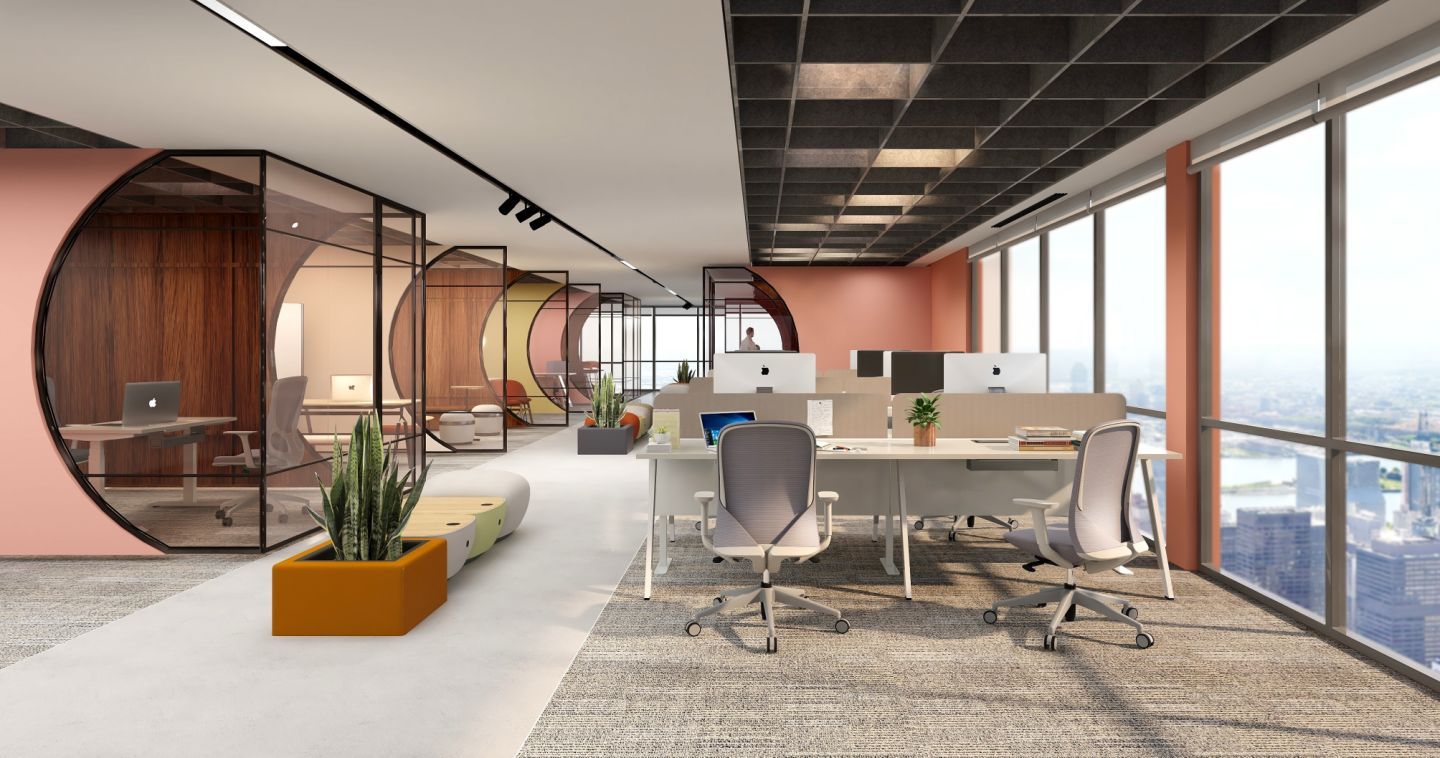
In evolutionary terms, the history of the office is relatively very short. After surviving in the wild for thousands of years, we now dress in business casual and attend meetings that hold little appeal. Our brains register the tedium—we are cut off from nature. A workplace that supports well-being offers an interesting, stimulating environment with color, texture, daylight, and views. Since most of us spend so much of our time indoors, we must make the indoors as healthy and meaningful as possible.
All too often, we spend a great deal of time doing the wrong things for what we believe are the right reasons. For example, we assumed that open-plan offices would promote collaboration. Those who follow our WeChat account know exactly what that sentence means. In the office sector I follow, the vast majority of companies are focused on getting things done rather than thinking about how things should be done. We use outdated ideas and thinking to guide today's decisions, which clearly cannot solve today's problems and may even create bigger ones—much like the way office environments are being designed today.
As we update our office environments, what really needs updating is our understanding of the workplace and the way we design it. Well-being does not come from the office environment itself; it comes from our understanding, recognition, and vision of work, employees, and the workplace.
It is worth noting that nearly 200 CEOs from some of the largest and best-known companies—including Apple, Amazon, PepsiCo, Walmart, and Steelcase—recently pledged to put people before profits. That, too, creates the necessary conditions for building better office environments.