Six Essential Spaces in Activity-Based Hybrid Offices
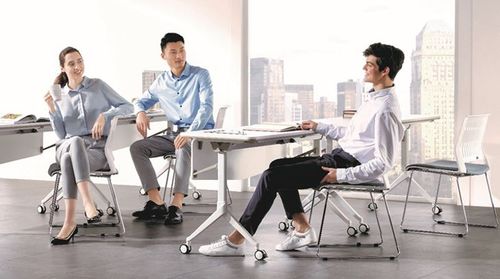
As hybrid work becomes the new standard, companies face the challenge of making the workplace a more attractive place that accommodates a wide range of activities. As businesses continue to grapple with balancing office and remote work, activity-based working (ABW) may be one of the answers. Creating an atmosphere that nurtures creativity and productivity requires careful preparation.
In an environment where office occupancy changes from day to day, ABW gives employees the freedom they have grown accustomed to while helping you manage costs. This kind of workplace tells employees that their employer understands the value of giving individuals the flexibility to decide how, when, and where they work.
Activity-based workspaces: the truly agile, people-centered office
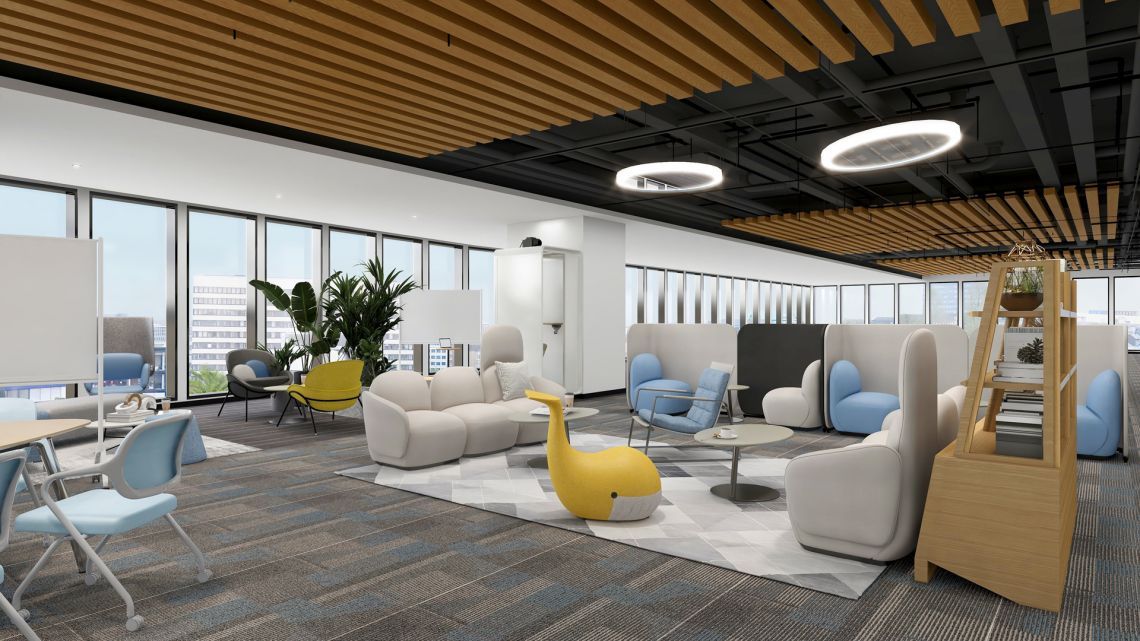
An activity-based workplace differs from a typical office design because it offers employees a choice of multiple locations and resources. Each activity area serves a specific function, whether collaboration, focus, or relaxation. As a result, employees are actively encouraged to move between the settings that best suit both their way of working and the tasks they need to complete—for example, within an agile office space—rather than sitting at one assigned workstation all day.
Employees who are free to choose how they work are more productive than those who are not, because it allows them to arrange their lives as they see fit. With greater autonomy, employees' behavior and motivation at work become more deliberate. Closer working bonds and the chance to interact with colleagues from other departments to share information better are two benefits of being able to switch between different areas of responsibility. If you provide employees with amenities, they will be happier at work and more motivated to get things done. The flexible, multipurpose spaces encouraged by activity-based working also help minimize the company's overall impact on the environment.
How do you create workspaces for activity-based working?
Defining what activity-based working is one thing—but how does it actually take shape in the workplace? According to ABW theory, employees in the right work environment will be more productive, so every setting must be planned properly to foster the necessary mindset. Whatever their role or level of expertise, you must consider what your employees need in order to carry out their duties as effectively as possible.
Here is a brief overview of the six essential spaces you are likely to find in an office that adopts ABW. We have also grouped these spaces into four categories—social, collaboration, learning, and focus—based on the function of the space and employees' needs.
01 Small spaces / project rooms (collaboration/learning)
Any activity-based office needs meeting rooms or small spaces. Small meeting rooms are designed for a few people, giving employees a place to collaborate during unplanned meetings. Project rooms are meeting spaces with strict noise limits, usually used by smaller groups. They are typically equipped with features such as shared work areas, whiteboards, LCD screens, and videoconferencing technology for hybrid meetings.
02 Phone booths / pods (social)
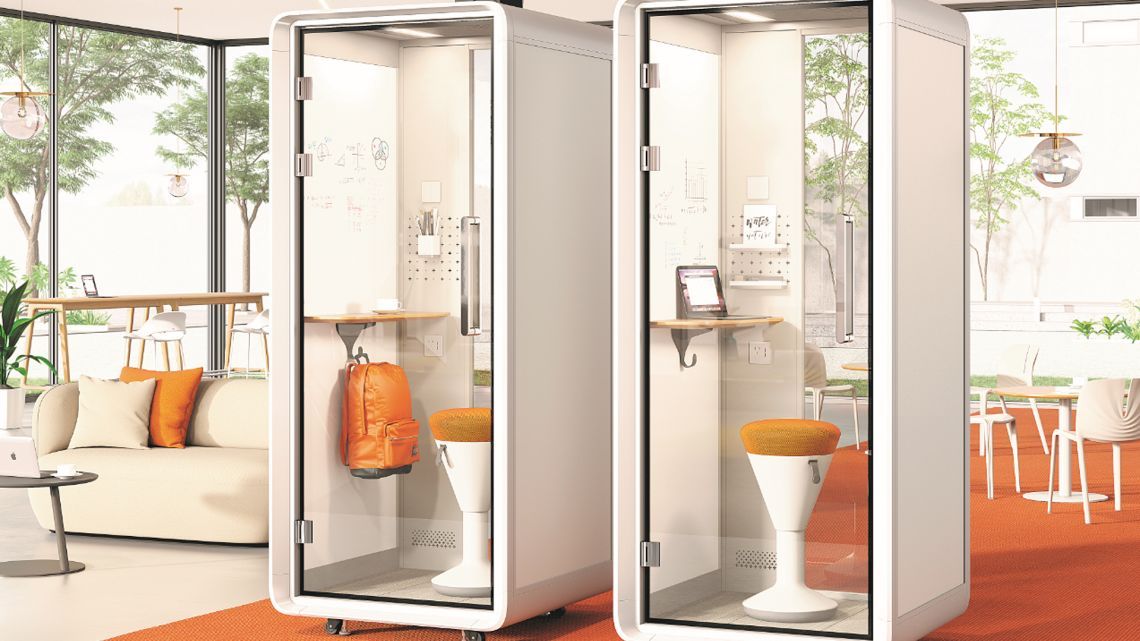
Why not give employees in a busy office a modest, private, quiet area where they can concentrate? Soundproof phone booths or single-person pods, smaller than meeting rooms, usually hold up to two people at a time. These private spaces are open to anyone who needs them—for private phone calls, virtual meetings, one-on-one conversations, or intense, focused work.
03 Stairs (social)
In terms of ways of working, stairs can be a fresh way to change things. Staircases serve as a hub for social interaction and collaborative space in contemporary workplace design. People from many departments may interact on the stairs, which promotes activity-based working.
04 Library (learning/focus)
The library stands for solo, focused work—and workplace design is no exception. It is a place where you can concentrate without worrying about being interrupted, just like a real library. The library's atmosphere makes it an ideal escape from the commotion, and it offers introverts a chance to get away from a busy work environment. The library is a great retreat from the noise of open-plan work areas, since it is a more public alternative to the single-person pod.
05 Cafeteria and lounges (social)
Cafés and lounge areas are multipurpose facilities that can be used for engagement and relaxation. When people regularly go to grab a snack or refill their water bottles, the café area can be a great place to socialize. They are about connection—eating together remains an effective technique for improving relationships among colleagues. In addition, the presence of food, drinks, and comfortable chairs helps create an atmosphere that blurs the boundary between socializing and work. Sofas and coffee tables are ideal spaces for spontaneous gatherings, quick collaboration, and the exchange of ideas.
06 Open shared workspaces (collaboration)
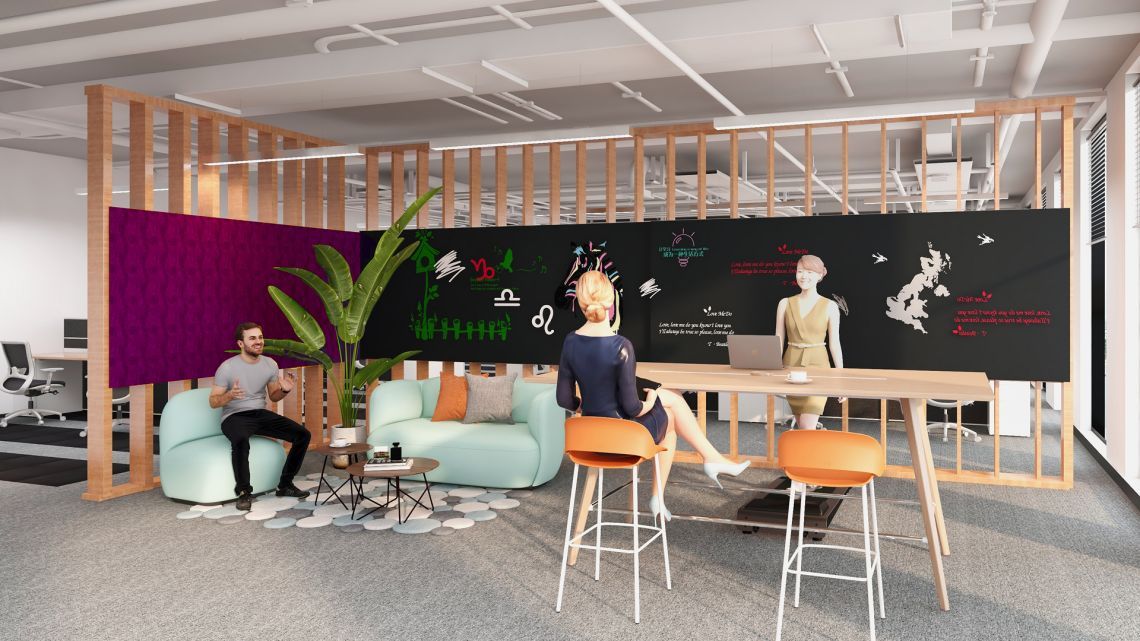
This area places even more emphasis on teamwork and promotes interaction, much like the social zone. The activity-based workplace is characterized by its communal workstations and open floor plan. Employee workstations are now scattered around common areas, with desks used by several employees over the course of a day. Employees who are completely free of desk assignments and sit in a free-address seating arrangement enjoy greater mobility and can switch to different workstations as needed—day by day, hour by hour, or task by task.
You may also like
Championing Formaldehyde-Free Offices: Yihang's Healthy Work Mission Upgraded
Read More
Healing Care Spaces: Shanghai Children's Medical Center Aixin Baby Home
Read More
Inspiring Offices: Design That Attracts and Keeps Talent
Read More