Sitting All Day Is Harmful but Hard to Avoid? Healthy Work Takes More Than Self-Discipline
Many office workers know this experience: you set a phone alarm to remind yourself to get up and move every hour. But once work starts — writing proposals, coordinating with colleagues, clearing tasks — two or three hours slip by without moving. Only when you stand up at the end of the day do you notice how stiff your neck is and how sore your lower back feels.
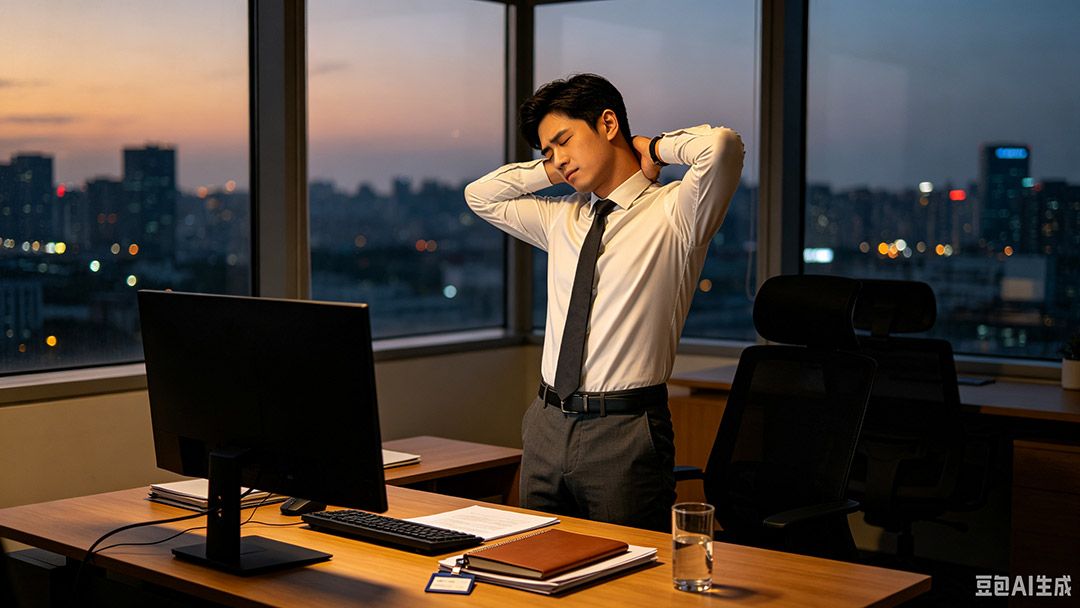
*Image generated by Doubao AI
At that moment, many people blame themselves: poor self-control, no discipline. In reality, failing to break the sitting habit is not entirely a personal failing.
Hard to relieve: when work gets busy, the body gets pushed to the back of the queue
It’s not that people lack awareness, nor that they haven’t tried — reminders are set, standing desks installed, yet everything changes once work truly begins. When your thinking is flowing and productivity peaks, never mind standing up — even raising a hand to press the desk’s height button feels like a risk to hard-won momentum. You always think “I’ll do it after this stretch,” but the tasks keep coming, and the plan to adjust your body keeps getting postponed.
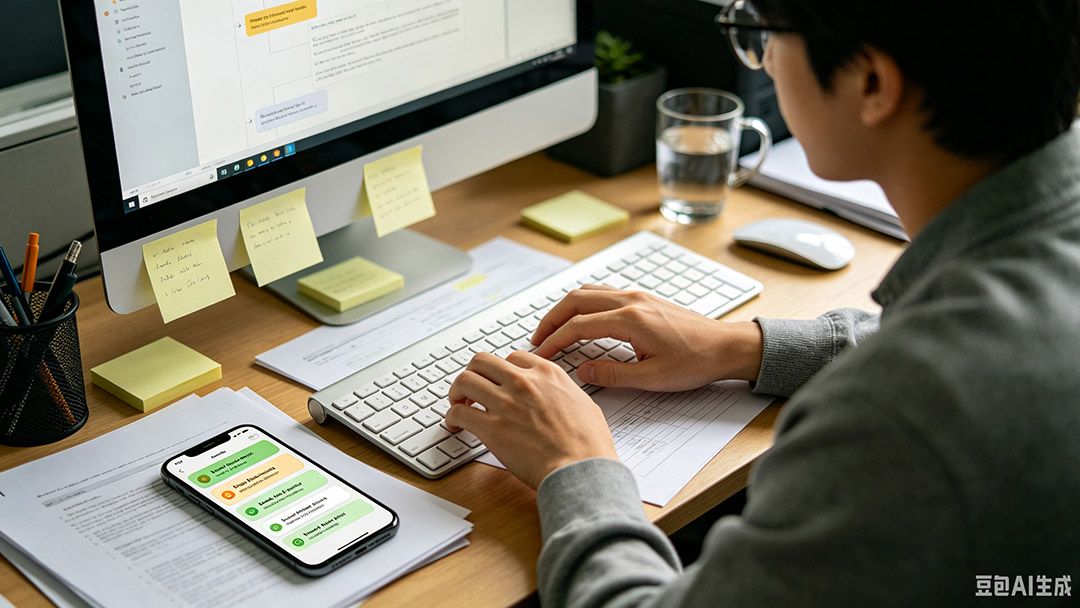
*Image generated by Doubao AI
Stiff shoulders and neck, aching back — these problems build up precisely through all those “just a little later” moments. Muscles pinned in the same posture stay tense for hours, and the strain only accumulates.
At its root, betting healthy work entirely on personal self-discipline is hard to sustain — nobody willingly interrupts their own workflow just to adjust their posture.
Healthy work shouldn’t depend on willpower alone
Solving the sedentary problem doesn’t ask workers to become better at self-restraint. A truly well-designed desk shouldn’t wait for people to adapt to it — the desk should adapt to the person’s working state.
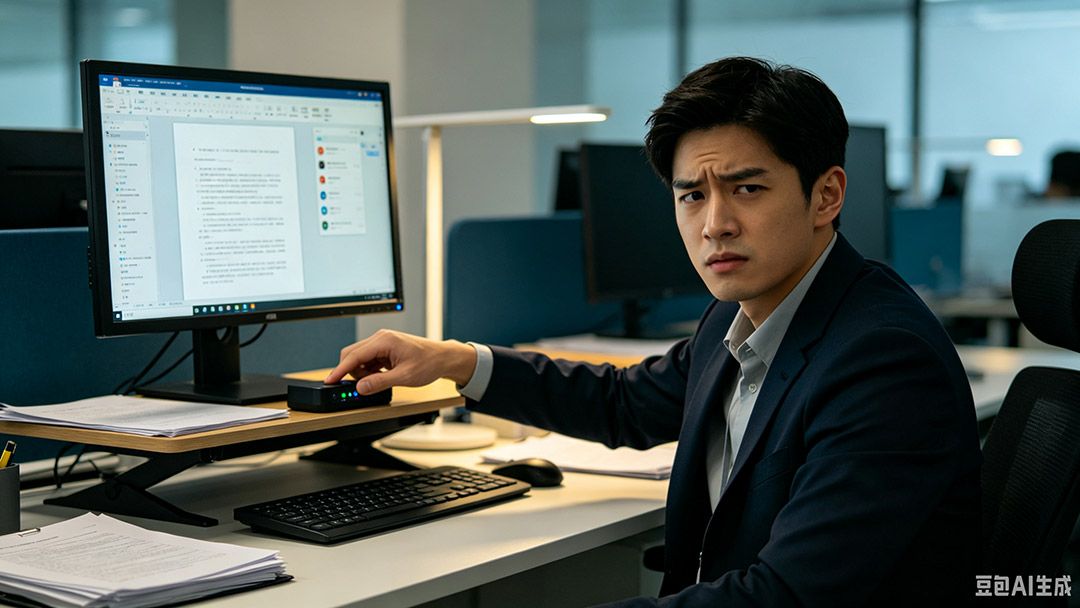
*Image generated by Doubao AI
The ideal state: no need to watch the clock, no need to press buttons by hand. While you simply work as usual, the desk quietly guides your body through adjustments without interrupting your thinking. No forced choice between “doing the job well” and “taking care of your body.”
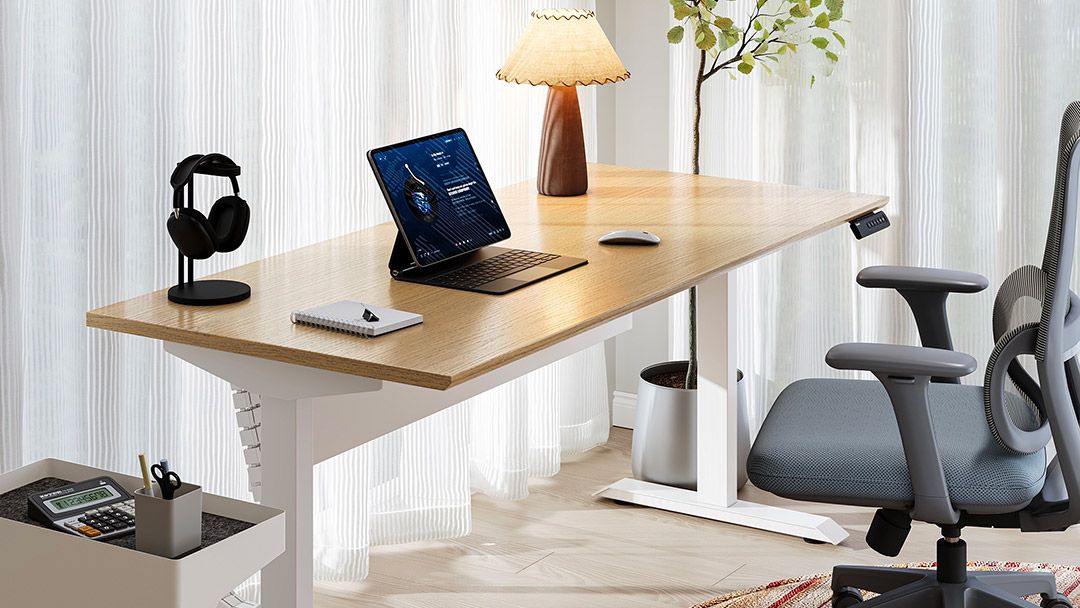
AI-driven adjustment: wellness that happens quietly at work
For the office worker’s dilemma of “wanting to move but never having the time, wanting to adjust but fearing interruption,” the Yihang UP2 sit-stand desk flips the script — instead of “people adjusting the desk,” it becomes “the desk adapting to people,” using AI proactive wellness technology to weave healthy adjustments into the details of everyday work.
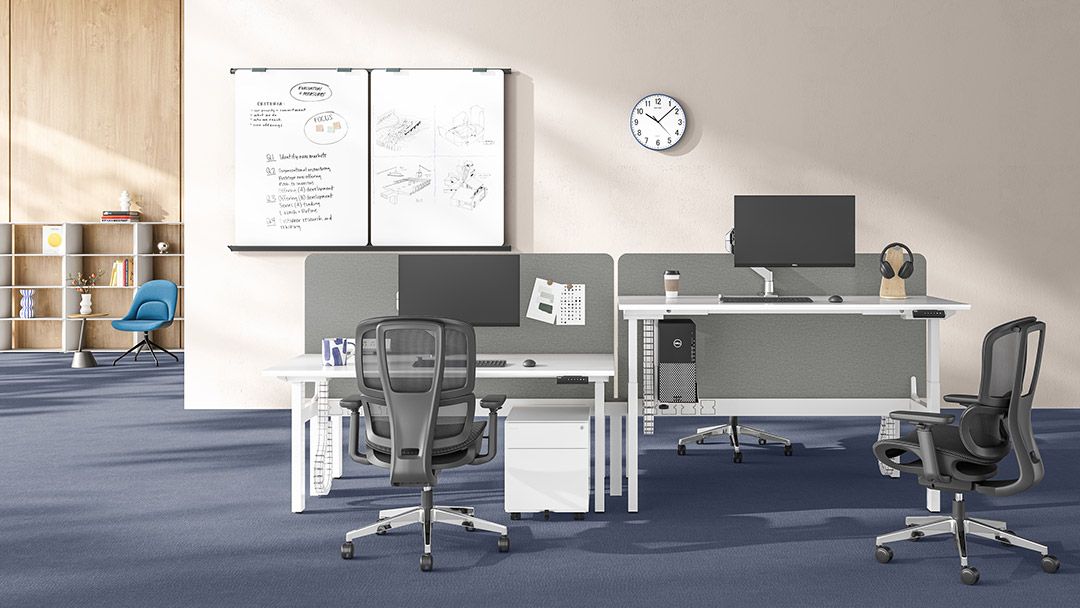
Unlike traditional standing desks that require manual buttons and self-timing, the UP2 needs just one tap to turn on AI Proactive Wellness mode. From then on, pacing and height adjustments are handled entirely by the desk. No alarms, no watching the clock, no interrupting your flow at the worst moment — you focus on the work, and the desk takes care of the healthy adjustments.
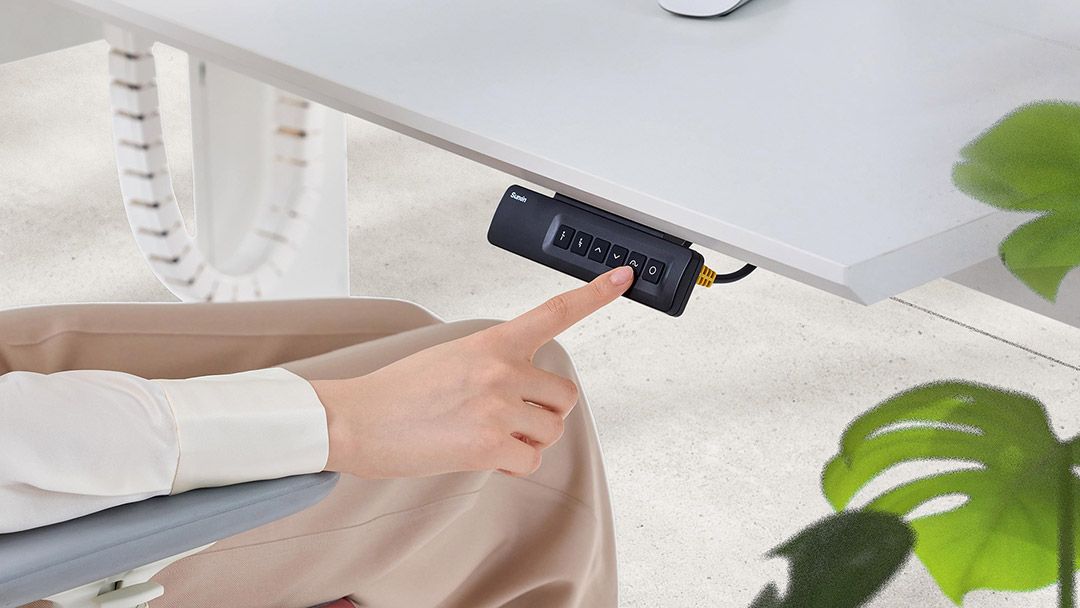
To make the adjustments completely non-disruptive, it uses a 100mm micro-lift design with ultra-slow movement of 1mm/s. There are no dramatic height changes and no abrupt starts or stops; the desktop stays perfectly steady — your water cup and documents don’t move a millimeter. You can barely notice the desk is changing, and your train of thought is never disturbed.
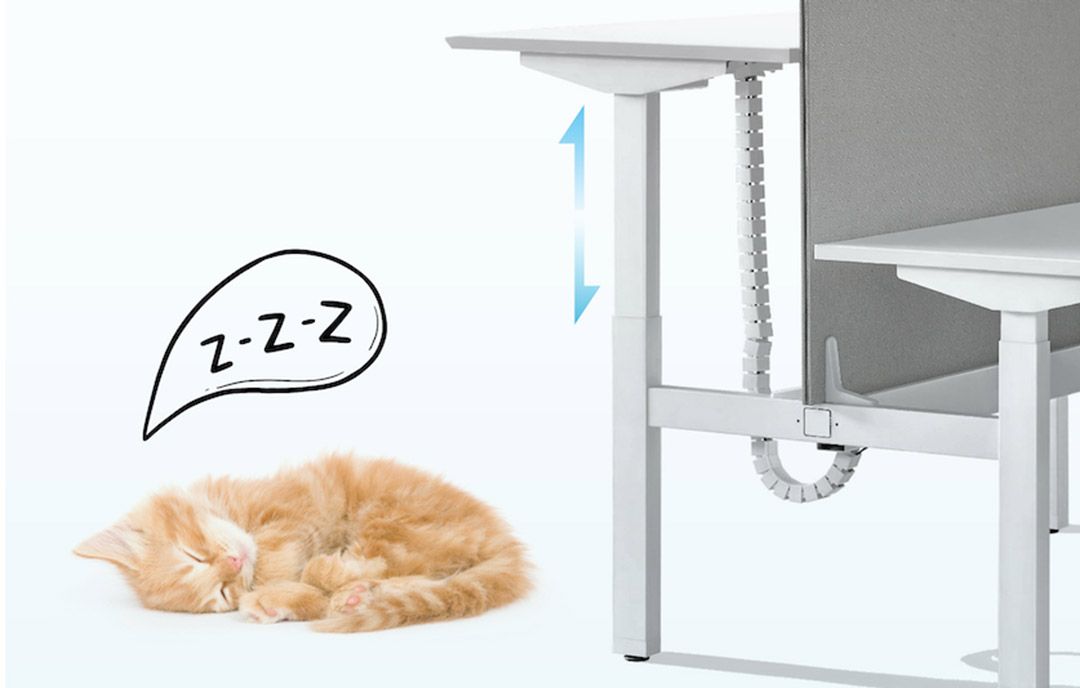
More importantly, the movement isn’t random up-and-down motion but follows a three-stage stretching logic, adjusting in phases at the body’s comfortable rhythm: first a small shift to break postural rigidity, then progressive stretching of the back and waist muscles, and finally a gentle return to a comfortable height. The whole process matches the body’s natural adaptation rhythm, so sudden height changes never cause discomfort — as if someone quietly fixed your posture, easing the stiffness of prolonged sitting before you even notice.
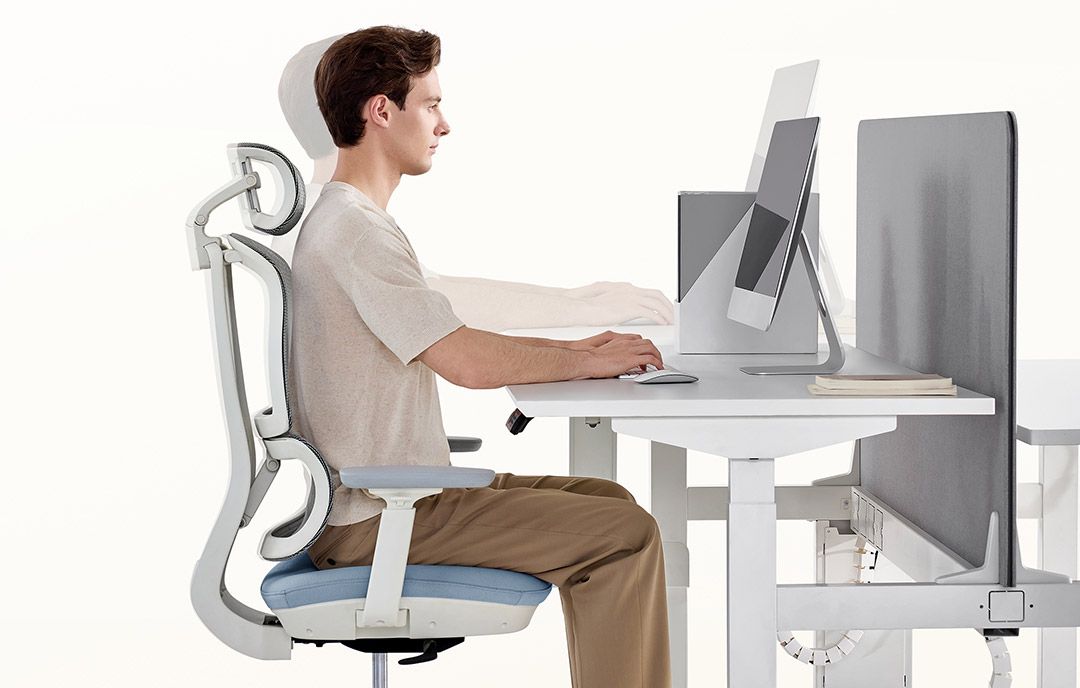
For a long time, we assumed healthy work depended on people’s own persistence. The UP2 offers a different answer: wellness doesn’t have to run on willpower — office furniture can step in proactively and fold physical adjustment into everyday work.
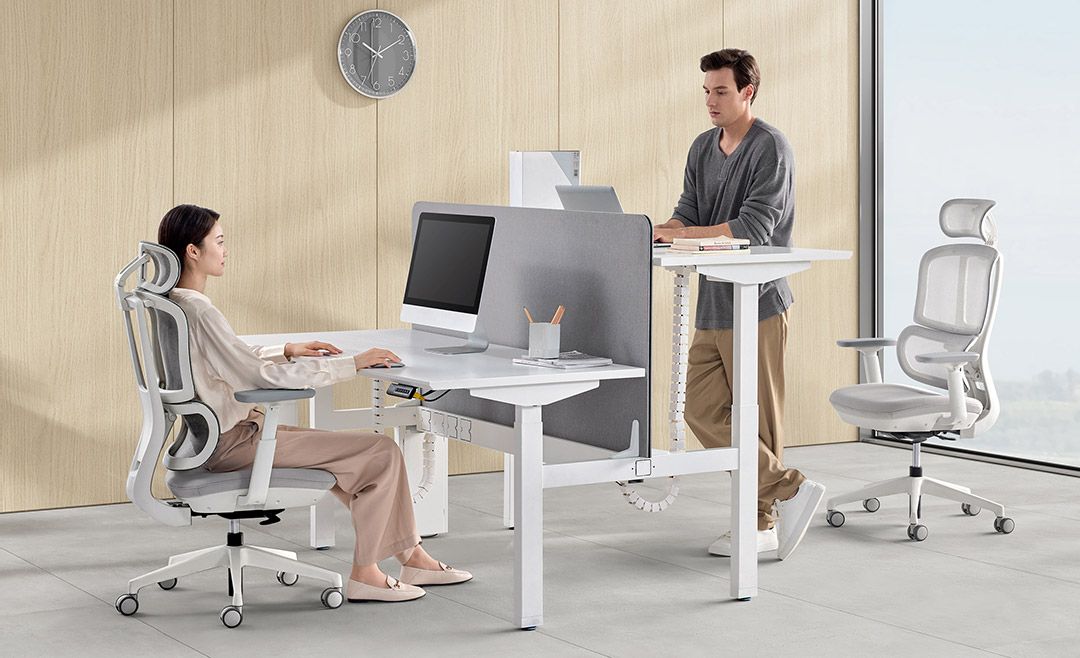
No deliberate reminders, no interrupted work — healthy work is no longer a form of self-discipline but a capability built into the environment. It’s an upgrade to a single desk, and a return of the office to the person at its center.