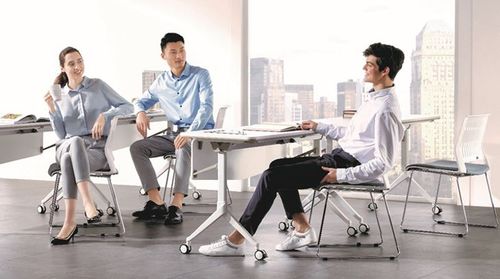
People-First Hybrid Offices: Comfortable and Efficient Workplaces
Hybrid offices combine the advantages of physical and digital workspaces and are increasingly popular among companies that want to enhance the employee experience. By adopting a people-first design approach, these hybrid offices can create an environment suited to their employees' needs.
The goal of a hybrid office is to create an environment that encourages collaboration and creativity while giving employees the tools they need to succeed in their roles. By focusing on human-centered design principles such as ergonomics, natural lighting, and sound insulation, hybrid offices can provide employees with an environment that is both comfortable and efficient.
By creating workspaces tailored to users' needs, hybrid offices can help companies foster an atmosphere in which employees feel valued and empowered. This, in turn, can improve job satisfaction and productivity for everyone involved.
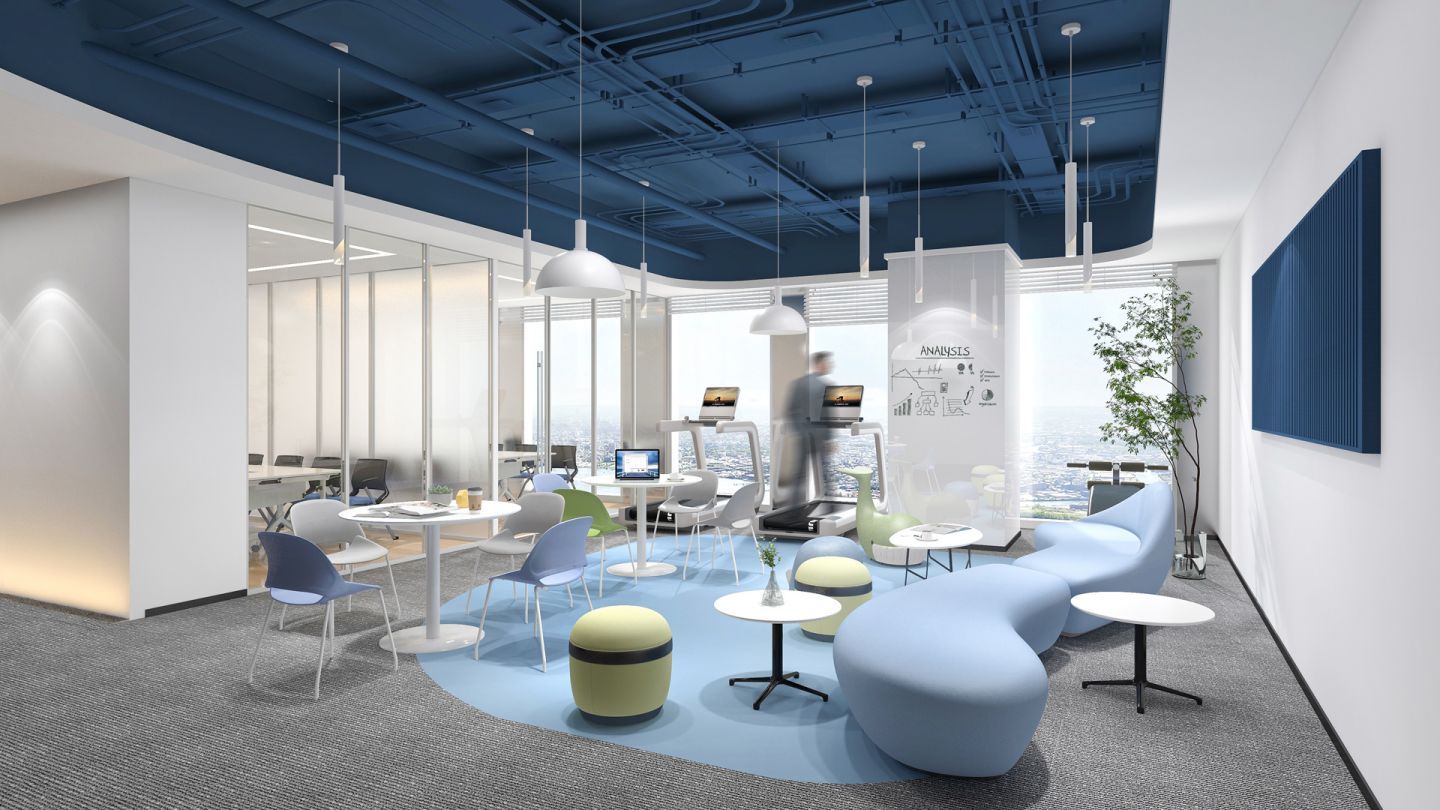
What is a people-first hybrid office, and why does it matter?
A people-first hybrid office is a combination of physical and digital workspaces designed around employees' needs. This type of office design emphasizes collaboration, creativity, and productivity while also taking employees' health and safety into account. The goal is to create an environment that enables digital and physical collaboration, communication, and productivity. It also considers the needs of remote workers, giving them access to digital tools so they can stay connected with colleagues. By designing workspaces suited to employees' needs, companies can ensure their people stay engaged and productive in their work environment.
The benefits of a people-first hybrid office and how it improves the employee experience
In a hybrid workplace, employees have the flexibility to work from home or the office. This type of office design can improve the employee experience by creating a more comfortable and efficient working environment. Hybrid offices also promote collaboration and communication between remote and on-site staff.
By incorporating human-centered design elements, hybrid workplaces can create comfort, connection, and productivity for employees. This includes features such as ergonomic furniture, natural lighting, noise-reducing materials, and flexible seating arrangements. In addition, companies should consider implementing strategies such as providing mental health resources or wellness programs that support employees' physical and mental well-being. With the right office design philosophy and employee experience improvement strategies, hybrid offices can be an effective way to build an engaged workforce.
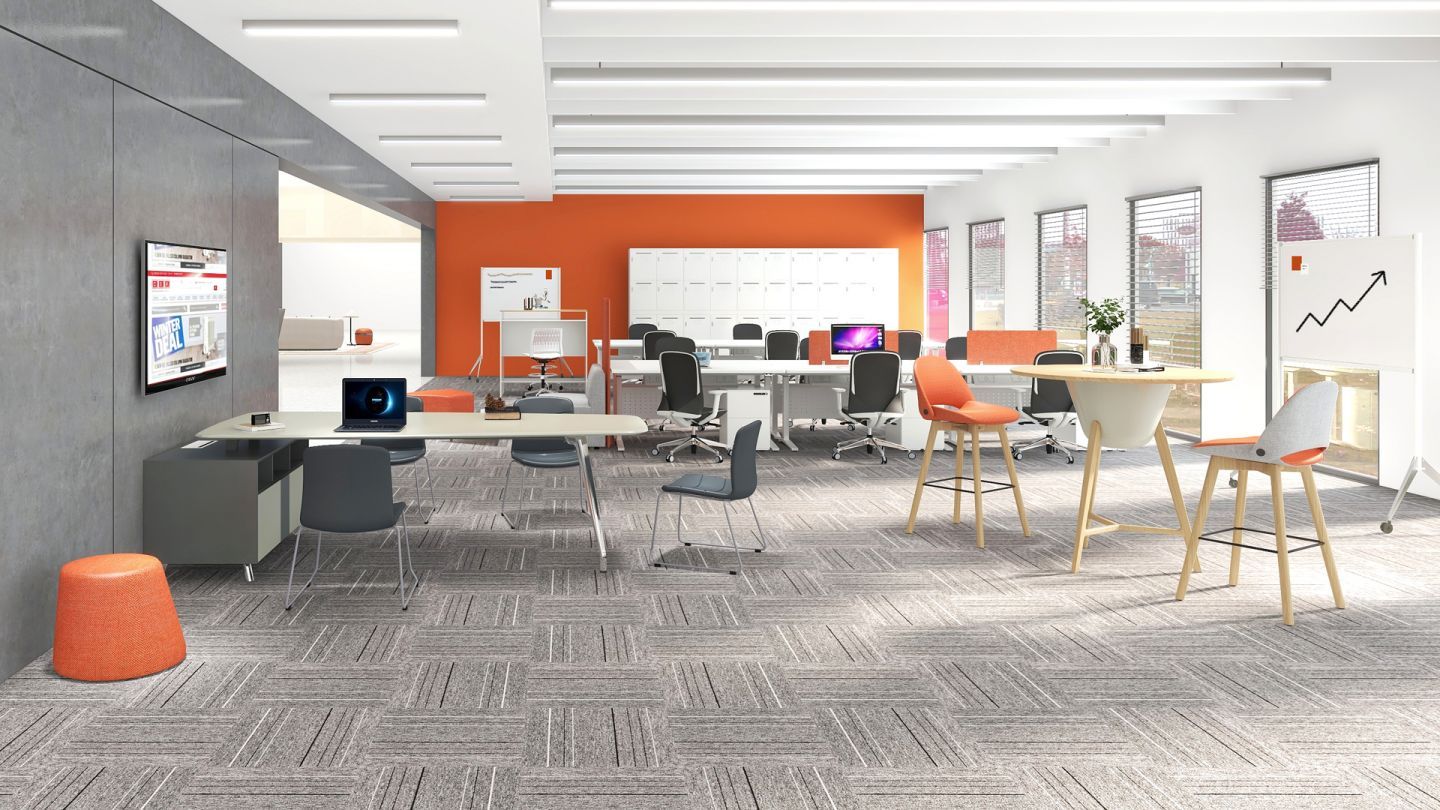
Creating a successful people-first hybrid office requires thoughtful planning and design. When designing a workspace that can accommodate both, it is important to consider the needs of employees and employers alike. The goal is to create an environment in which people can work in the most effective and comfortable way, while still providing the necessary support for the organization's business objectives. By considering factors such as ergonomics, safety, employee engagement, and technology integration, you can create an office space that is both efficient and welcoming to everyone involved.
Creating comfortable and efficient workplaces
To create a comfortable and efficient workspace, it is important to consider the following factors:
Flexibility: the workspace should be flexible to adapt to employees' changing needs. This includes the ability to switch between remote and in-person work, as well as providing employees with private and collaborative spaces as needed.
Well-being: the workspace should be designed to prioritize employees' well-being. This includes providing comfortable seating, natural light, and fresh air and greenery.
Productivity: the workspace should be designed to support productivity, including providing ergonomic desks and chairs, high-speed internet, and access to technology.
Collaboration: the design should promote collaboration, including providing communal spaces where employees can gather to work on projects.
Community: the design should foster a sense of community and connection among employees. This includes providing shared spaces where employees can socialize and connect with one another.
Conclusion
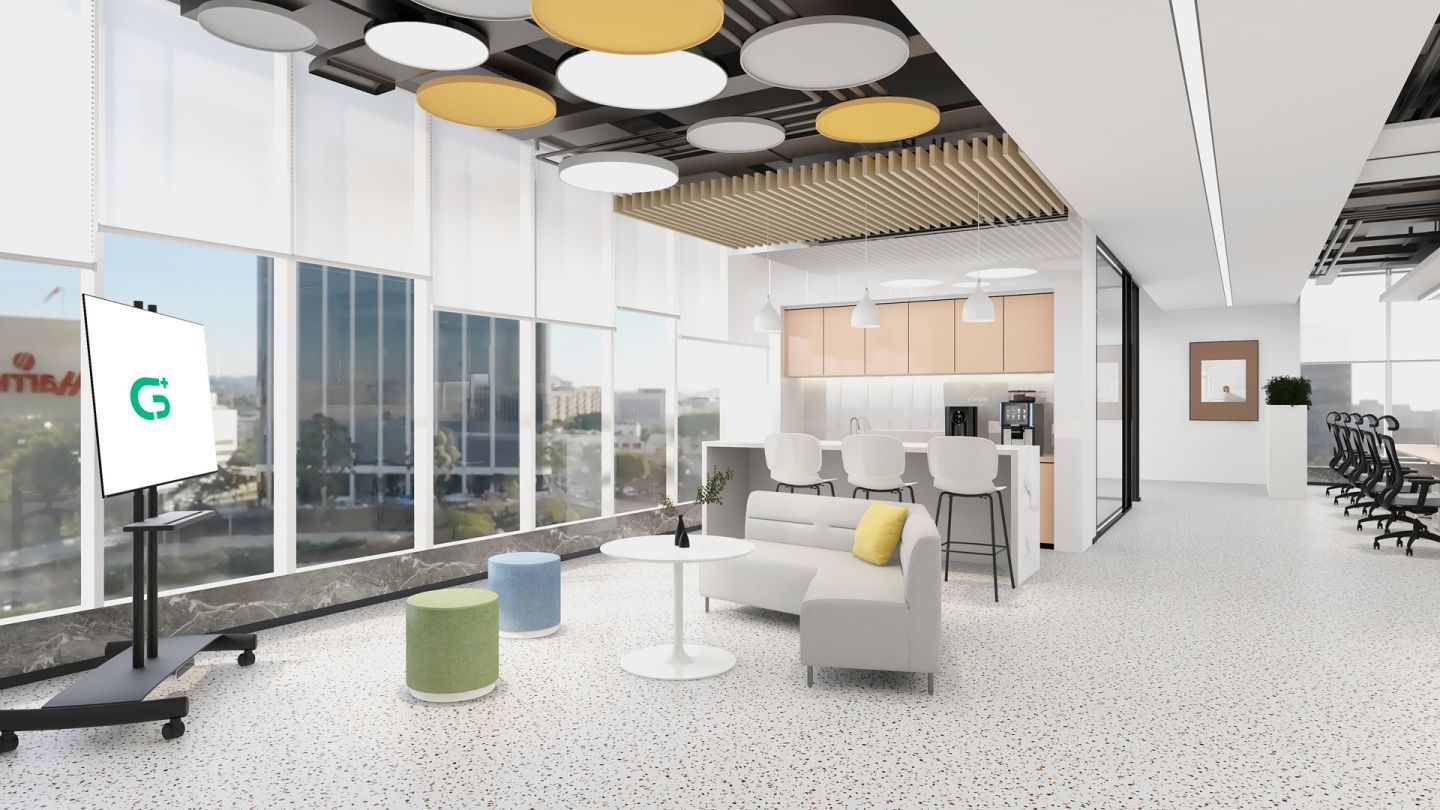
People-first hybrid office design creates a comfortable and efficient workspace that supports employees' well-being and productivity. By balancing the benefits of remote and in-person work, companies can create a workspace that meets employees' evolving needs and cultivates a sense of community and connection.
In today's fast-changing work environment, hybrid office design that prioritizes employee well-being and comfort is essential. By creating flexible, efficient, and collaborative workspaces, companies can ensure the success and satisfaction of their employees.
You may also like

Inspiring Offices: Design That Attracts and Keeps Talent
Read MoreChampioning Formaldehyde-Free Offices: Yihang's Healthy Work Mission Upgraded
Read More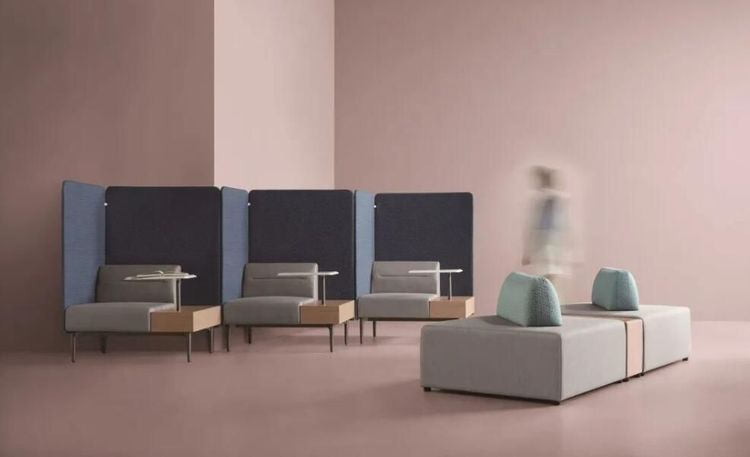
How Can Companies Strengthen Their Immunity in a Pandemic?
Read More