Office Communities: Bringing People Together and Fostering Collaboration
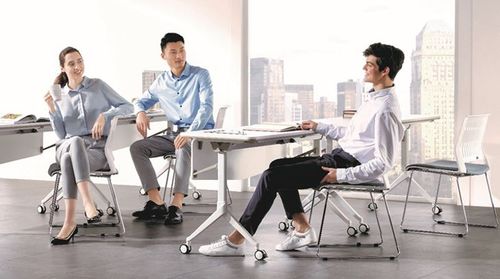
Employee complaints generally center on post-pandemic workplace changes or a decline in real-life connection. While open workspaces promote collaboration, they can also be distracting, which can cause productivity to drop sharply. Workplaces therefore need to evolve into more dynamic, team-oriented environments—places that encourage collaboration without distracting others. This is exactly why the office neighborhood is an idea currently gaining popularity among architects around the world.
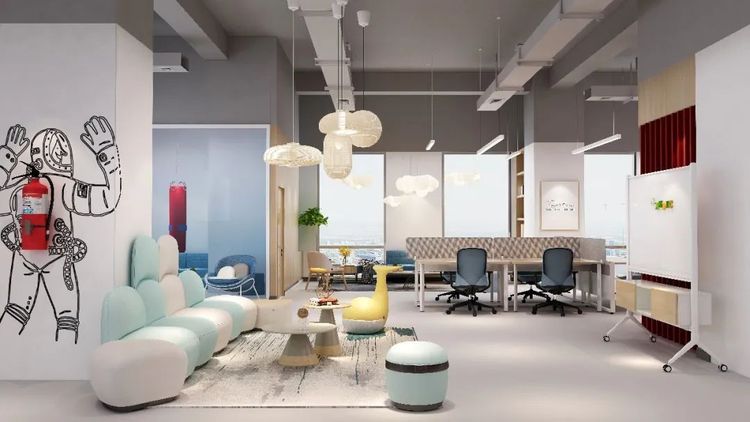
Simply put, an office neighborhood comprises a variety of work environments that adapt to meet business needs. A neighborhood model is adopted to assign people appropriately according to ongoing projects, company functions, or activities. Work neighborhoods also allow office workers to connect with colleagues while still completing their tasks on time.
**· **What is an office neighborhood?
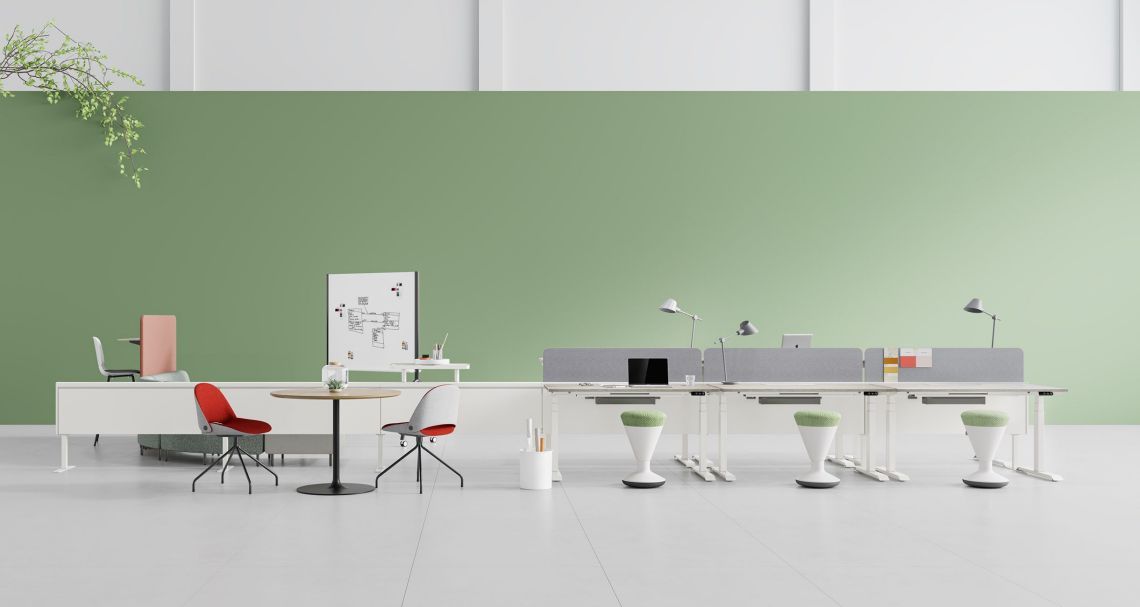
An office neighborhood sits at the intersection of a traditional office space and a flexible office layout. It is an office design trend that combines the best features of activity-based workplaces, dedicated offices, and hot-desking. Most neighborhoods take place in open workspaces. They are an excellent way to organize small groups of people working in related fields or on the same project team, with space designated for various employee groups or teams.
Relationship with hot-desking and activity-based working (ABW)
Employees using hot-desking can choose from a pool of open workstations on a first-come, first-served basis instead of having a fixed desk. With office hoteling, employees have the advantage of booking seats in advance—perhaps as regular, long-term reservations—so they know where they will sit and who they will sit next to.
With ABW, employees can choose when, where, and how to complete their tasks. Activity-based working strives to connect people with the workplace according to their needs and to size the workplace appropriately.
Activity-based working and hot-desking are both supported in an office neighborhood setting. An office neighborhood is a collection of various workstations, support rooms, and communal areas. Each neighborhood has zones that meet the needs of its residents.
· Benefits of Office Neighborhoods
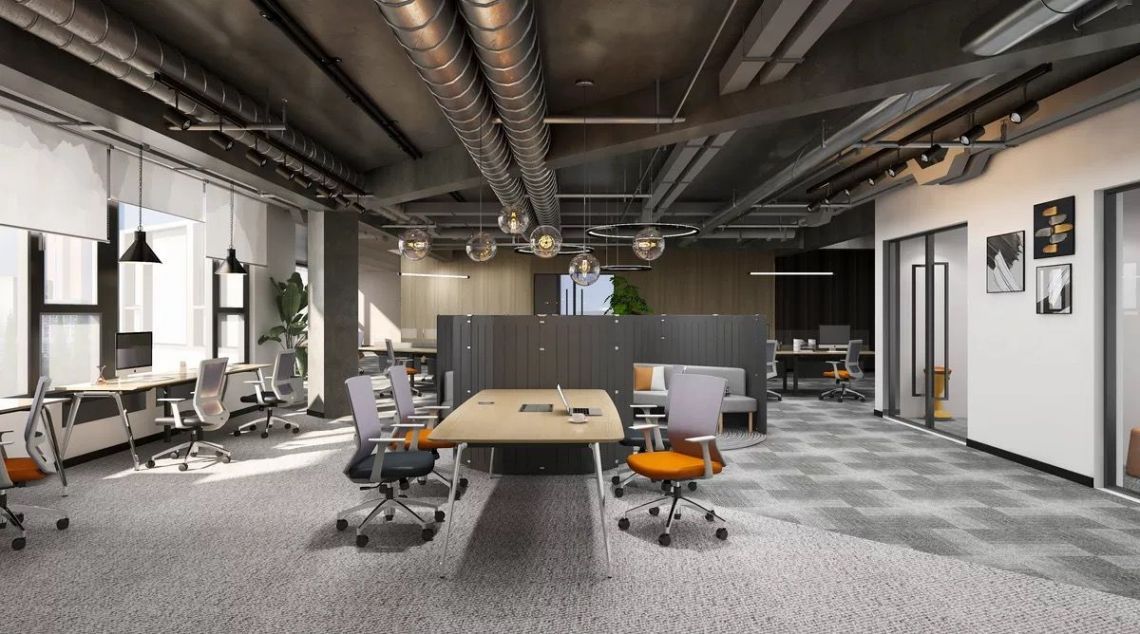
There are several reasons why businesses choose office neighborhoods. Executed well, an office neighborhood strategy can serve as the cornerstone of a successful company. Both teams and individual employees benefit from neighborhoods. Here are some of the advantages:
Collaboration
Workplace neighborhoods encourage more casual conversations between colleagues. They also encourage more cross-functional interaction. Teammates who have never met, project partners, and even colleagues can engage and collaborate organically within a neighborhood. With office hoteling solutions, employees can use flexible tools to choose in advance who they sit next to when working in a neighborhood.
Productivity
Office neighborhoods guarantee that employees have the facilities and space they need to perform at their best—for example, open space for unrestricted collaboration or private space for focused work. Each group or neighborhood has a space designed specifically for it, enabling it to thrive and preventing unnecessary interruptions.
Adaptability
Workplace neighborhoods can change. Thanks to neighborhoods, managers can easily modify seating arrangements without significantly altering the office layout. You can rearrange modular furniture, experiment with different floor plans, or add more meeting space without affecting the rest of the office. You can keep an eye on data and patterns to modify or rearrange various workspaces to best serve your employees and their needs.

Employee Satisfaction
Office neighborhoods let you create spaces that fully match employees' needs, improving the employee experience. Desk booking software makes it easy for people to find and book the space they need to work productively. With office neighborhoods, employees enjoy greater flexibility in where and how they work, which increases satisfaction.
· Types of Office Neighborhoods
Depending on their needs, workplace teams can create various workplace neighborhoods to keep the workplace flexible. You can decide how to design a neighborhood for each team by starting from basic layouts or neighborhood “types.”
At least three main types of office neighborhoods can be established:
Function-based
The most common and longest-used type of neighborhood is undoubtedly grouping teammates by function. You can create zones for departments such as product, marketing, sales, and finance. To boost employee satisfaction, give each team a unique setup, such as larger workstations with fixed monitors.
Project-based
Bring employees from different departments together in designated areas to collaborate on specific projects that promote cross-functional cooperation. When this kind of neighborhood is designed, these workers can choose to be close to one another as needed throughout the process.
Activity-based
In “activity-based working” neighborhoods, employees can choose spaces for different activities. Employee requirements must be considered in terms of open space, meeting areas, hot desks, and other factors. To meet employee requirements, workplace managers may define specific “quiet zones” for focused work or “phone booth zones” for client conversations.

Conclusion
Businesses decide on the design of work neighborhoods to improve teamwork in the workplace and ensure employees have access to all services and equipment. For large companies and small businesses alike, office neighborhoods are fully customizable. You can create any type of environment that gives your employees a sense of community and a positive working atmosphere.