
Office Chair Cleaning Process
The office chair cleaning process should be selected based on cleaning needs and the degree of staining, choosing from basic cleaning, deep cleaning, or caster-specific cleaning. The specific steps are as follows:
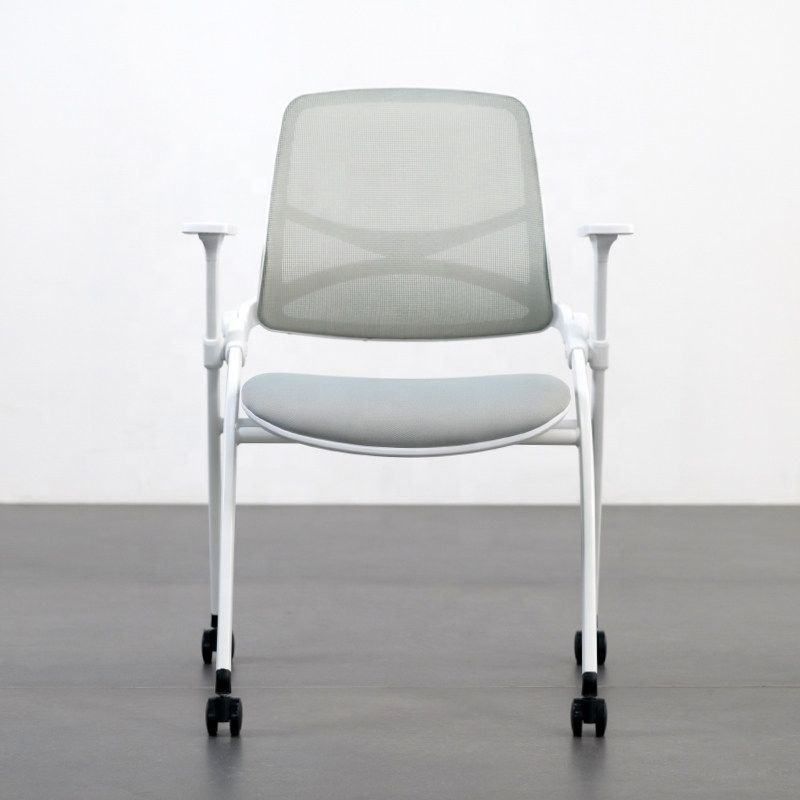
I. Basic Cleaning Process (Daily Maintenance)
Suitable for daily cleaning with no obvious stains, with the core principle of "top to bottom, avoiding water spots."
- Wiping Order: Clean in the order of the backrest, seat cushion, armrests, and legs, ensuring each part is covered and avoiding missing dust in seams or corners.
- Cloth Selection: Use a slightly damp cloth that does not drip (such as cotton or microfiber material), and immediately absorb residual moisture with a dry cloth after wiping to prevent mold in mesh fabric or cracking in leather.
- Material Adaptation: Mesh chairs should be wiped gently to avoid fiber deformation; leather chairs can be paired with a dedicated conditioner and polished with a dry cloth after wiping to enhance shine.
II. Deep Cleaning Process (Stubborn Stains or Long-Term Neglect)
For oil stains, sweat stains, or accumulated dust, a phased approach is needed for thorough stain removal and disinfection.
- Comprehensive Vacuuming: Use a vacuum cleaner equipped with a crevice tool to remove surface dust and debris from chair seams and caster grooves, reducing obstacles for subsequent cleaner penetration.
- Cleaner Treatment: Select a cleaner based on the material (e.g., neutral foam cleaner for mesh, dedicated lotion for leather), spray evenly, and let sit for 5-10 minutes to allow the foam to penetrate fibers and break down stains.
- High-Temperature Disinfection: Use a steam cleaner to apply high-temperature treatment to the chair surface, keeping the temperature below 120°C to avoid material damage, while using the heat to break down grease and kill bacteria.
- Targeted Pre-Treatment: Address local stubborn stains (e.g., ballpoint pen marks, coffee stains) specifically: gently brush mesh chairs with a soft brush followed by steam cleaning; use a cotton swab dipped in a small amount of alcohol for leather chairs, avoiding large-area use.
- Water Circulation Cleaning: Applicable only to removable mesh chairs, detach the chair cover and machine wash with a low-foam detergent, keeping the water temperature below 30°C, and air dry before reinstalling.
- Steam Sterilization: After cleaning, treat the entire chair again with a steam cleaner, focusing on high-contact areas like armrests and seat cushions to ensure hygiene and safety.
III. Caster-Specific Cleaning Process
Casters are prone to hair entanglement and dust accumulation, requiring separate treatment to ensure smooth rotation.
- Hair Removal: Use small scissors or tweezers to cut hair entangled around the caster axle, avoiding forceful pulling that could cause the caster to detach.
- Wipe with Wet Wipes: Wrap a wet facial wipe around the caster, secure it with a rubber band, and move the chair to utilize friction for removing dirt; for stubborn stains, dip in a small amount of neutral cleaner for assistance.
- Anti-Fouling Measures: Apply invisible tape (with a wrinkled design to increase friction) to the caster surface, replacing it regularly to reduce dust adhesion; metal casters can be coated with a small amount of lubricating oil to prevent rust.
Process Combination Recommendations: Mesh chairs should prioritize water circulation cleaning and steam sterilization; leather chairs should minimize water contact and focus on cleaner care; chairs with casters should undergo monthly specific cleaning and enhanced anti-fouling measures. Keeping the chair ventilated and dry after cleaning can extend its service life.


