Human-Centered Office Design That Balances Function and Comfort!
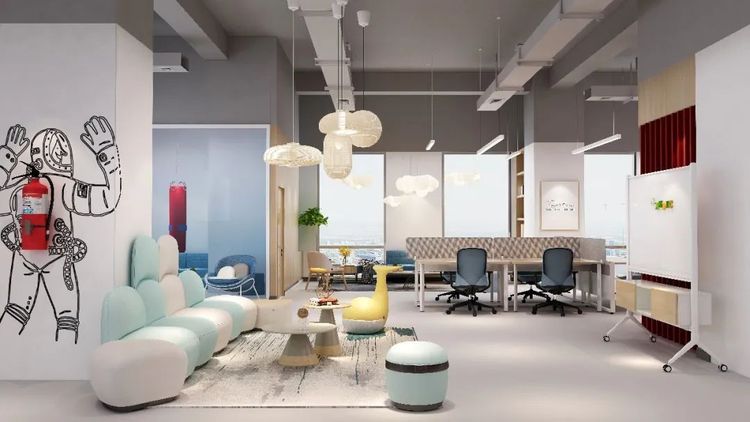
In modern office space design, beyond sensible space planning, human-centeredness is another key design consideration. Human-centered design takes employees' needs fully into account, creating a comfortable, efficient office space while meeting functional requirements.
I. A human-centered office starts with a sensible layout
The first requirement of a human-centered office is, of course, a sensible layout: dividing and using the office space thoughtfully, and building a sense of layering on top of practicality. The layout should follow the company's operating rhythm and employees' work habits and needs, delivering a comfortable and efficient work experience.
II. A human-centered office needs recreation and leisure spaces
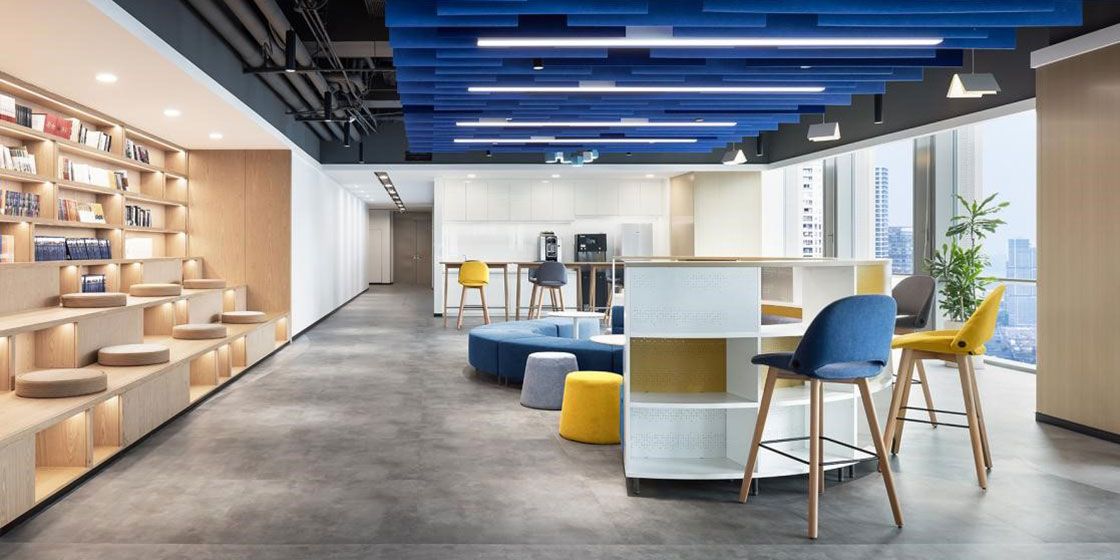
Working under sustained high intensity leads to fatigue and anxiety, and these feelings reduce productivity. A human-centered office design must include recreation and leisure spaces where employees can relax between work sessions and relieve fatigue, helping them return to their work with better focus and efficiency. Common examples include a pantry, a game room, a reading room, and a gym.
III. A human-centered office needs storage design
Some companies, in order to save space, provide no dedicated storage when designing the office, so employees pile both work and personal items on their desks. Over time the whole desk becomes cluttered and disorganized, hurting productivity. Storage for everyday office supplies should therefore be planned from the very start—movable pedestals and similar furniture can solve this problem while also keeping personal belongings private and secure.
IV. A human-centered office provides comfortable soft furnishings
In soft furnishings, human-centeredness shows up mainly in the choice of office furniture. The size, curvature, angles, and colors of furniture should take full account of users' range of movement and physical characteristics, keeping both people and furniture comfortable and meeting employees' physiological and psychological needs.
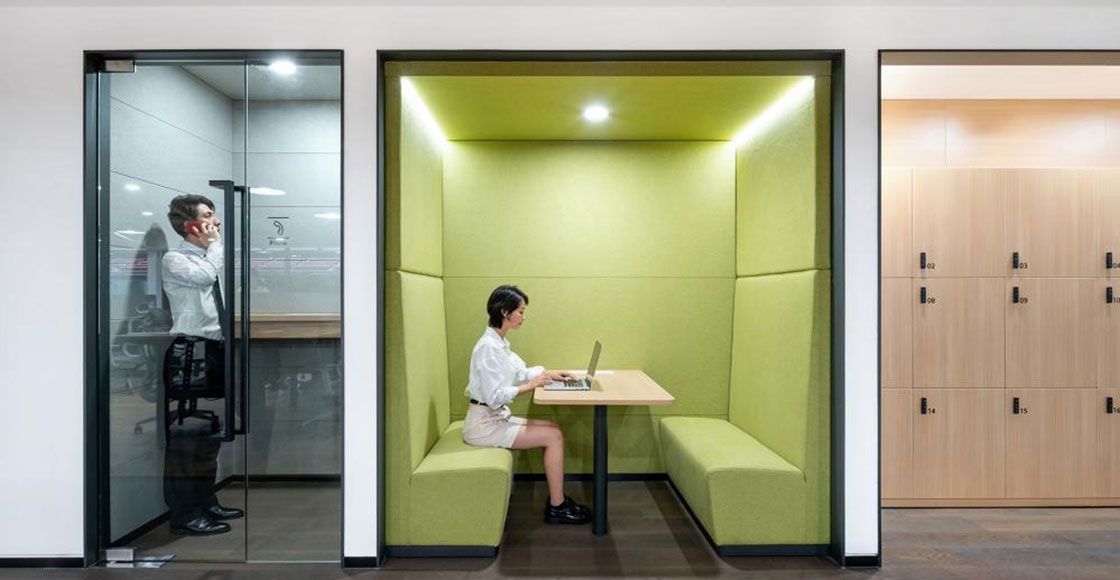
The core of human-centered design is the "person"—only by fully considering people's many needs can a design truly be called human-centered.