
Furniture Not Lasting? The Complete Office Furniture Care Guide
Office furniture is used far more frequently than household furniture, so it needs extra care. By material, office furniture falls into categories such as panel, solid wood, aluminum, leather, and fabric, and maintenance differs greatly from one material to the next. Only the right care techniques will extend office furniture's life. Here is an in-depth look at how to care for office furniture.
Office Furniture Care Tips (Fabric)

Many companies furnish their reception rooms with fabric furniture, which puts visiting clients at ease. The fabrics used are mostly soft, comfortable weaves that stain and wear easily, so cleaning demands special attention. For products made from imported fabric treated for water, dust, and stain resistance (the "three-proof" treatment), a wipe with a clean, damp towel is all it takes. For pieces that are especially stain-prone or delicate, it is best to send them to a professional cleaner to prevent deformation and extend their service life.
Office Furniture Care Tips (Electroplated and Glass)
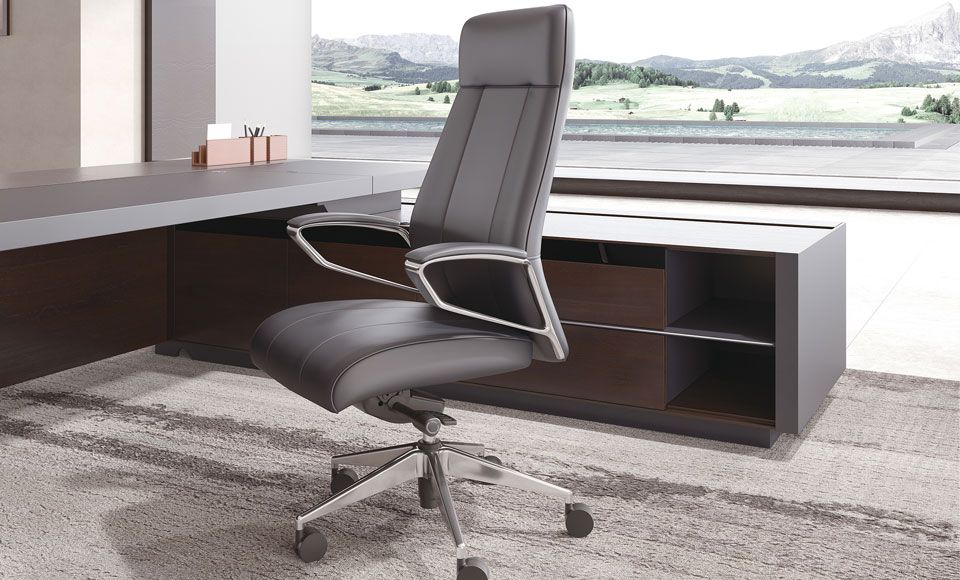
Electroplated and glass office furniture is mostly found in employee lounges — coffee tables, chairs, and the like. These pieces have glossy surfaces that show fingerprints and smudges easily, marring the finish. For cleaning, a gentle wipe with a dry cloth restores the shine. But be careful when moving them: never lift or shift the piece by the glass top — always grip the legs.
Office Furniture Care Tips (Solid Wood)
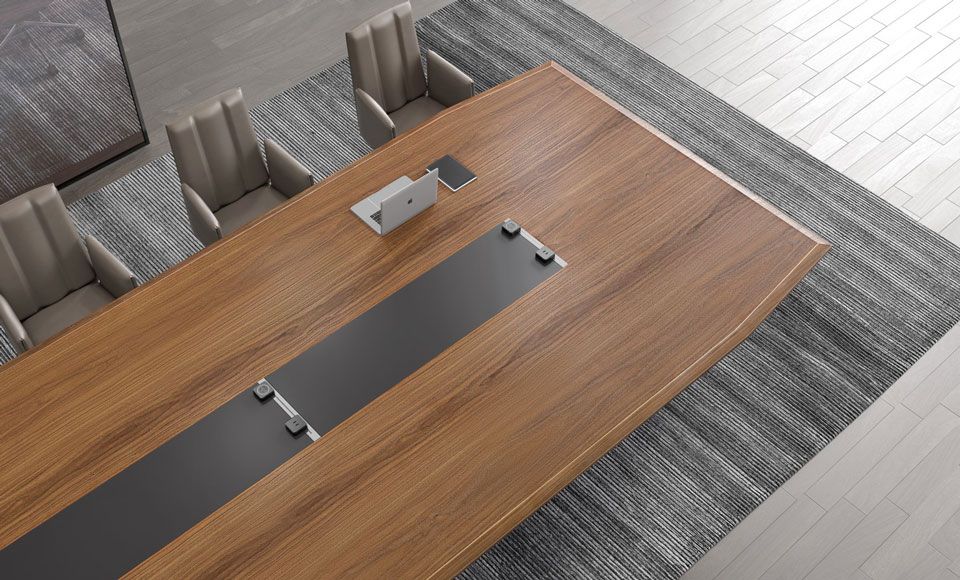
Solid wood office furniture is mostly desks and office chairs. Care involves paying attention to three areas: cleaning, placement, and moving. When cleaning, avoid sharp objects that could scratch the surface; for stubborn stains, do not use steel wool or stiff brushes — use a soft cloth with a strong cleaner instead. When placing the furniture, avoid direct sunlight wherever possible to keep the surface finish from oxidizing quickly. Also handle the pieces carefully when moving them to avoid knocks that damage the paint. We recommend conditioning once a quarter with a wood-specific oil wax; after application, wait about 2-3 days for the wood to absorb it before using the desktop.
Treating special stains on solid wood furniture:
Ink paste, lipstick, ink → wipe with water and a fine cotton or velvet cloth.
Pencil → wipe with methanol alcohol or acetone.
Fruit juice, paint, marker → wipe with acetone, banana oil (amyl acetate), or turpentine substitute.
Tea, coffee, super glue → wipe with toluene solvent.
Office Furniture Care Tips (Genuine Leather)
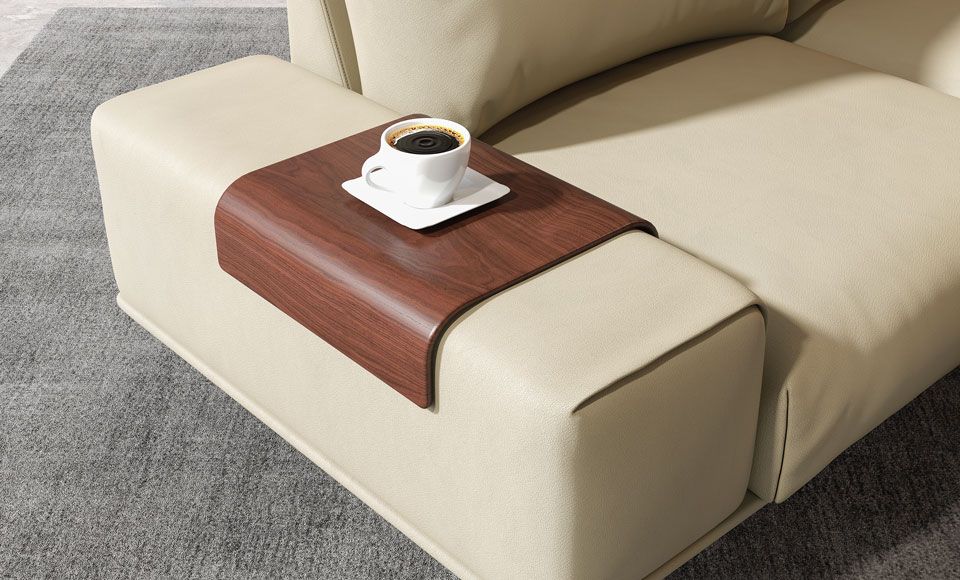
Genuine leather furniture is mostly found in senior executives' offices, as a statement of corporate taste. Because leather is naturally soft and richly colored, it damages easily if neglected. Care requires attention to two areas: placement and cleaning. As with wooden furniture, avoid direct sunlight when choosing a location. For cleaning, wipe with a fine velvet cloth dipped in a small amount of clean water, then dry with a soft cloth; for stubborn stains, use a proper leather cleaner.
Office Furniture Care Tips (Panel Furniture)
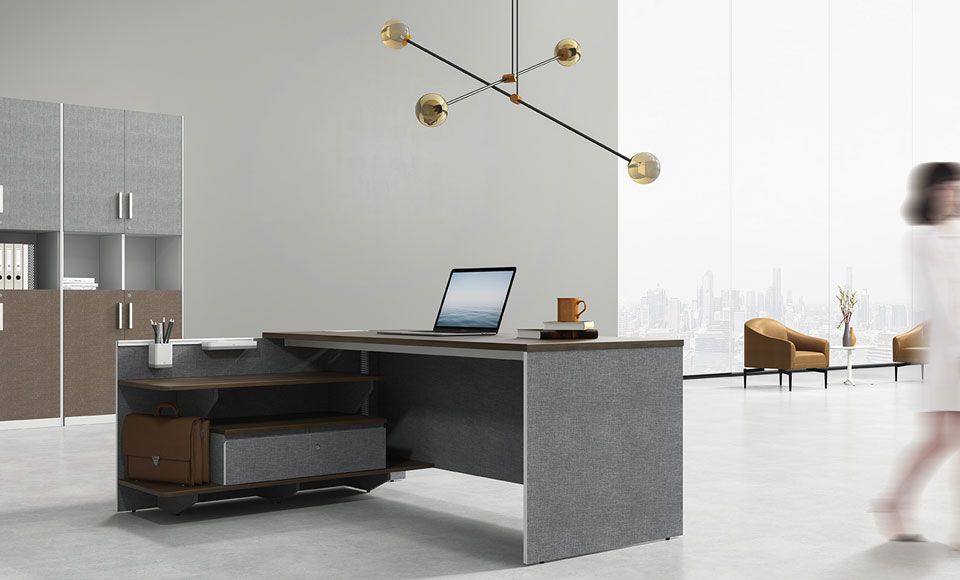
The floor under panel furniture must be level, with all four legs resting evenly. If a piece stands wobbly and unstable, over time its fasteners will loosen and glued joints will crack, hurting performance and shortening its life. Also, if soft flooring leaves the furniture unbalanced, do not prop up the legs with wood blocks or metal shims — even if this keeps it level, the load will not be distributed evenly and will eventually damage the furniture's internal structure. The only real fixes are leveling the floor or laying a larger sheet of hard rubber under the piece so all four legs sit stably, which extends its service life.
Office Furniture Care Tips (Aluminum)
Aluminum alloy is a recyclable, eco-friendly material. By surface treatment, it comes in three types: electroplated, anodized, and polished. For electroplated or anodized surfaces, mix clean water with a neutral detergent and wipe the surface to keep your furniture bright. Polished aluminum oxidizes more easily, so use soft gauze or cotton yarn and avoid acidic or alkaline chemicals to prevent scratching and corroding the surface.
What if office furniture yellows? How do you care for furniture fittings?
First try rubbing gently with a little egg white. Check all kinds of metal fittings regularly, and repair or replace any damaged parts promptly. For drawer slides that have been in use a long time, apply a little wax oil or drip in some machine oil to reduce friction and keep doors and drawers opening and closing smoothly.
Yihang offers one-stop, end-to-end service — including on-site installation and free refreshes — so using our office products is worry-free from start to finish.
You may also like

European Designer Interview: Uncovering the Fun of Office Furniture
Read More
The Primacy Effect: First Impressions Apply to Office Furniture Too
Read More
Inclusive Office Design: Optimizing Furniture for Happiness
Read More