
Five Office Design Points That Boost Work Efficiency
Improving work efficiency is the top priority for every company planning an office fit-out. So which design details actually help employees work more efficiently? Let's get right into it!
1. Space Circulation
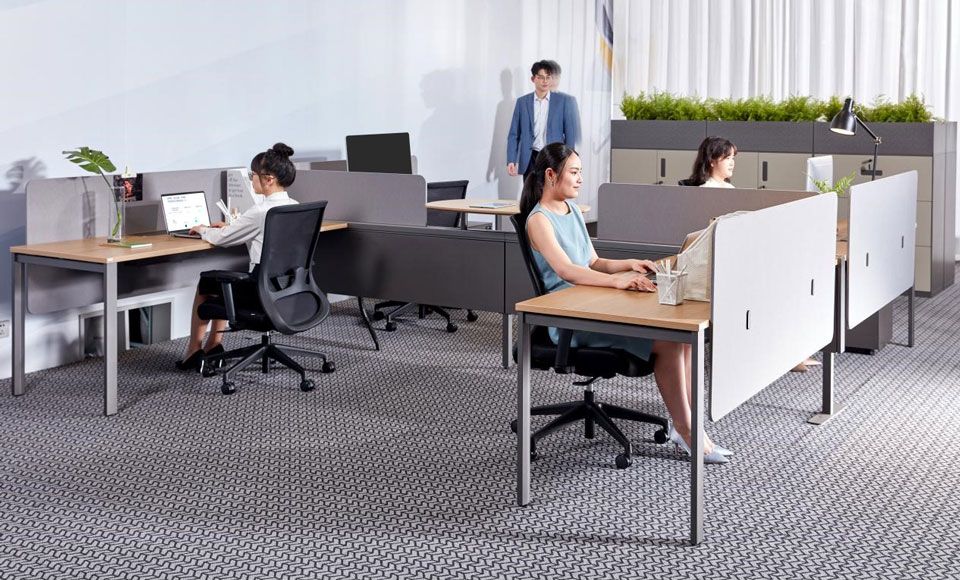
Circulation design consists of two parts: fixed structures and furnishings, and the paths along which people and goods move. It looks simple but is anything but — beyond keeping movement smooth and unobstructed, designers must weigh the base conditions of the space, the function of each zone, and whether daylight and ventilation paths interfere with one another.
Circulation routes should be prioritized by importance: high-priority routes should avoid crossing one another, and different routes should avoid interfering with each other, with multiple levels running in parallel and a clear hierarchy.
Great circulation design does more than connect areas into a coherent whole. Flexible circulation makes a space more versatile, largely prevents the confusion and noise that arise as a space is used, and lets the space actively serve people's life and work needs — saving time and raising efficiency.
2. Space Colors
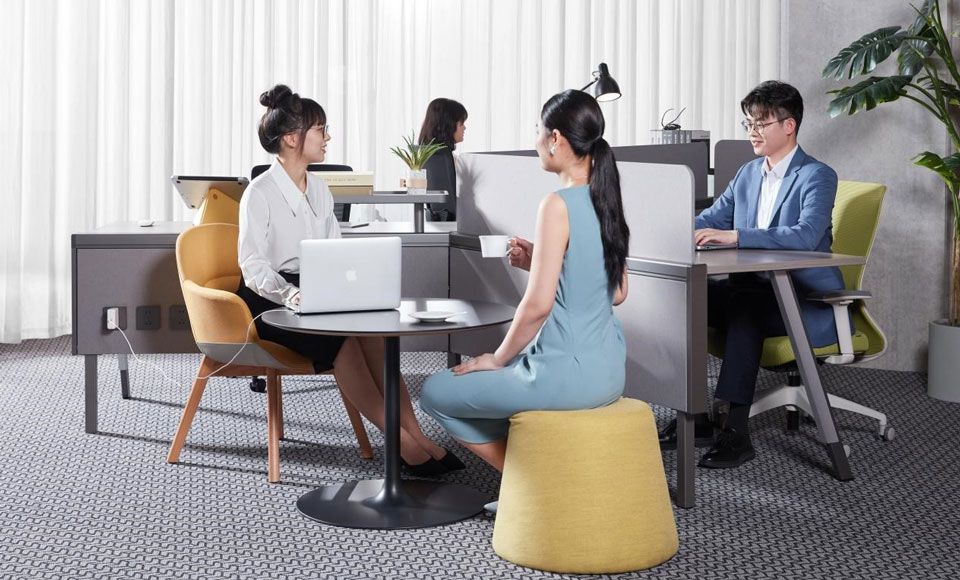
Emotion is the constant undercurrent of high productivity. In office design, dark colors easily produce fatigue and a sense of oppression; decorating a space in large areas of dark color can quickly dampen employee motivation and hurt efficiency.
People have a peculiar sensitivity to space: overly narrow, enclosed environments breed tension and anxiety. Light, subdued color schemes are a better choice — light colors put people at ease while making the office feel more open. On that light base, add dark accents: this makes the space look wider while showcasing character in the details.
3. Ample Daylight
Research suggests that employees who enjoy natural light and views from their windows sleep longer — and are therefore more productive during the working day. Sun-filled offices also lift the mood to a noticeable degree, effectively improving work efficiency, creativity, and overall well-being.
4. Good Ventilation and Indoor Air Quality
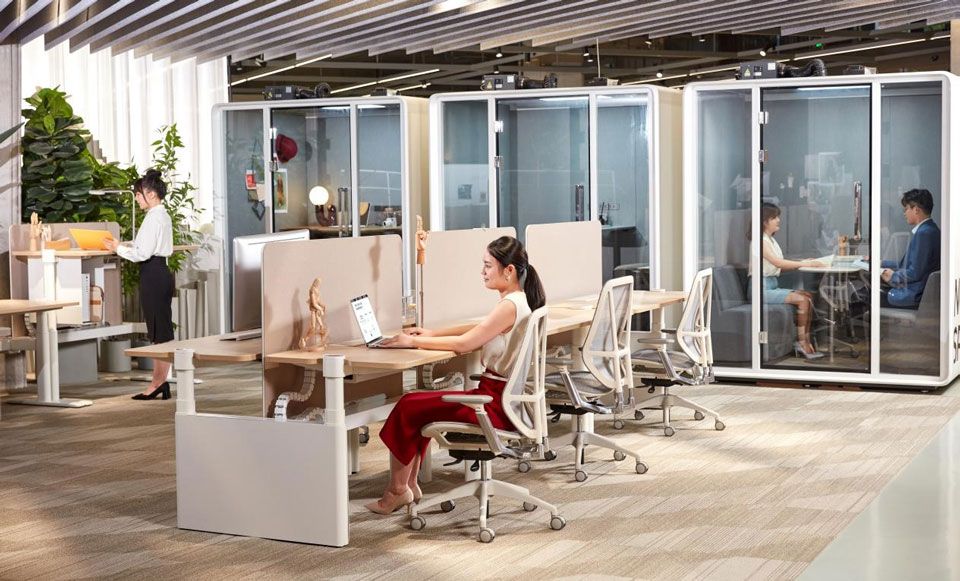
According to new research led by the Harvard T.H. Chan School of Public Health, as indoor carbon dioxide rises, the oxygen content of the air falls. When oxygen intake is insufficient, the body naturally struggles — breathing becomes labored and other symptoms of oxygen deficiency appear. This has a major impact on employees' cognitive function, including reaction time and the ability to concentrate, and in turn on their productivity.
The report's data show that good ventilation and indoor air quality can raise work performance by 11%. Increasing natural ventilation or bringing plants into the space effectively lowers CO2 concentrations in the air and helps employees stay focused.
5. Well-Designed Break Areas
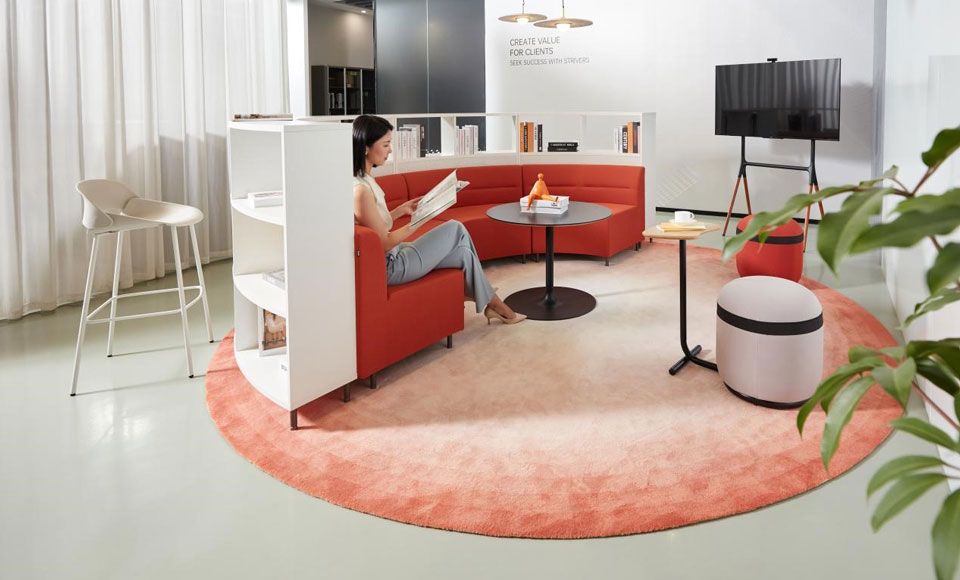
The office can encourage employees to move and exercise — consider adding a gym, cutting back on inefficient space use, and promoting movement throughout the day. Research also shows that spending just a few minutes in or looking at nature positively affects our mood, and can even help lower blood pressure, improving health and well-being and thus productivity.
More and more companies now treat employee needs as the primary driver of workspace upgrades. Take these factors into account in your office design, and you'll not only help employees work more efficiently but also strengthen their emotional connection to the company and their sense of identification with it.
You may also like
Healing Office Workers' Obsession with Symmetry in Design
Read More
Inspiring Offices: Design That Attracts and Keeps Talent
Read MoreChampioning Formaldehyde-Free Offices: Yihang's Healthy Work Mission Upgraded
Read More