Design Dialogue with Francesco Favaretto: Creativity for Its Own Sake Is Not Design
With work patterns and workplaces diversifying in recent years, how to design and upgrade the workplace of the future so that people and nature can coexist in harmony has become a major topic. To that end, Yihang has brought together outstanding design teams at home and abroad, hoping that dialogue with leading designers will reveal where the office furniture industry is headed and how its design currents are evolving, creating international, high-quality, high-caliber furniture. In the first installment of our design interview series, Yihang talks with Favaretto Francesco, drawing on the valuable experience he has gained across numerous projects to explore the intrinsic value of design and the direction of the future office.
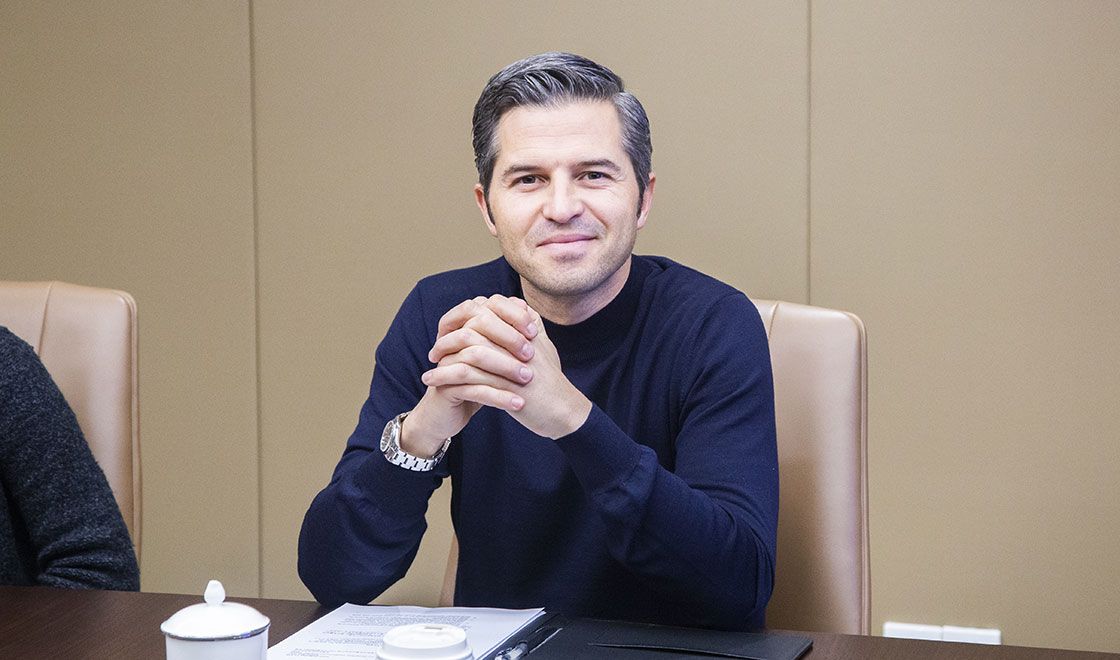
In this first installment of the designer interview series, we speak with Favaretto Francesco of Italy's Favaretto design studio, tapping into the valuable experience from his many projects to dig into the intrinsic value and essential expression of design.
Question 1: Across different cultural contexts, how do you adapt design to different users' needs?
As one of the earliest groups of designers to go global, we were exposed early on to design in different cultural contexts and have drawn inspiration from many cultures. While we do adjust our design expression for different national markets, overall we do not design products for a single market only. We hope to design products in a global language, helping our clients sell worldwide.
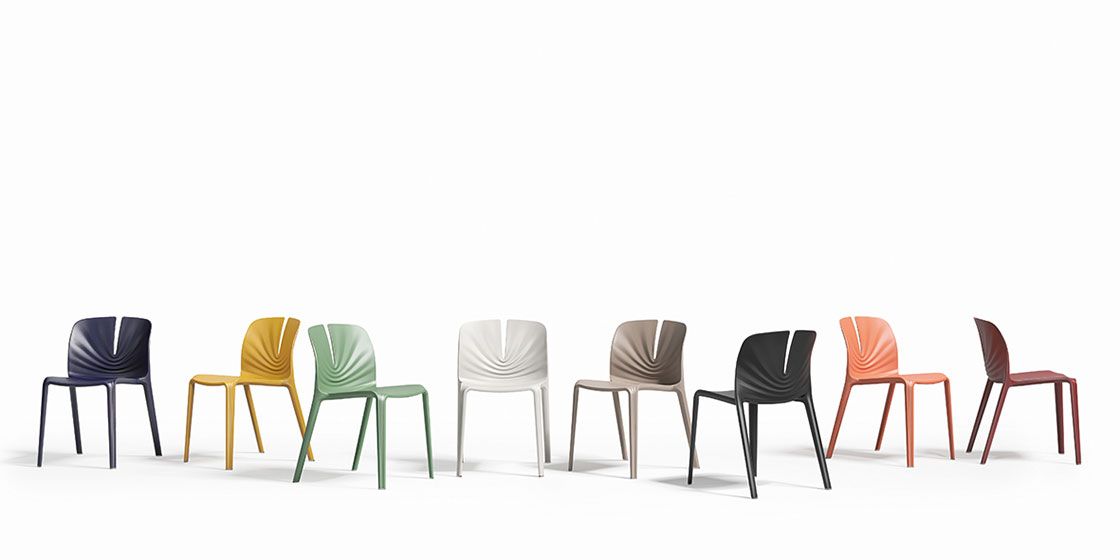
Take the Plis chair we designed. It is a classic lounge chair made as a single piece of polypropylene, with a fluid, clean silhouette. The cutouts on the backrest evoke the art of origami — dynamic yet elegant — while providing users with just the right comfort. Thanks to its originality and versatility, it works in all kinds of spaces.
Question 2: What is the meaning of design? How can design meet the needs of the future office?
I believe that as workplaces evolve, only flexible, versatile design can move smoothly between different office scenarios. The meaning of design lies not in pursuing niche eccentricity, but in being a universal art made for all humanity. All design should be done with the user in mind, not creativity for creativity's sake.
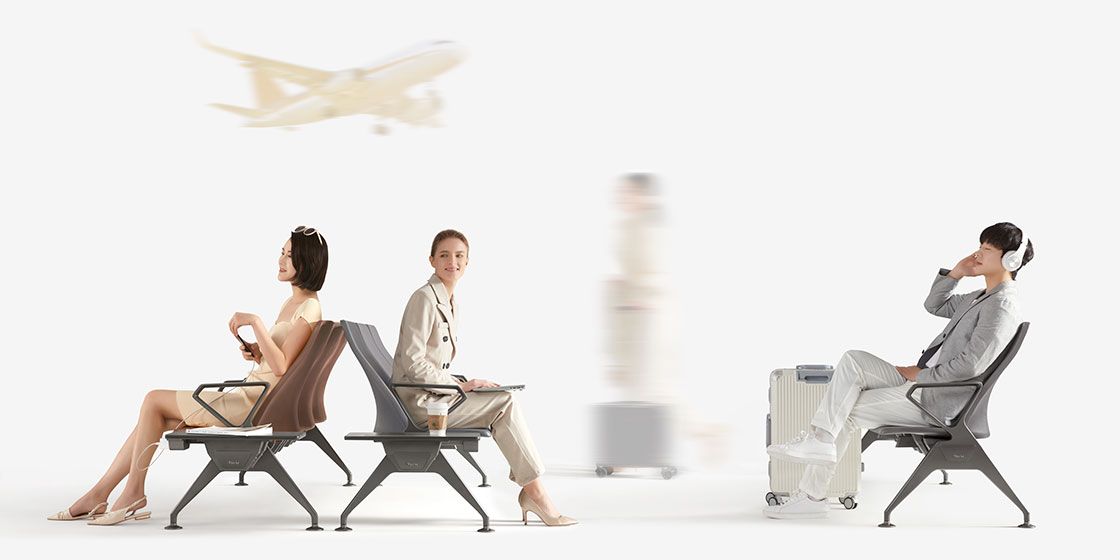
That reminds me of an airport bench we designed in collaboration with Yihang. Our work came out on top among the three international design studios invited to submit proposals. That success came from early insight into how public spaces like airports are actually used — from concept and sketches to detail design and prototyping, all the way to 3D printing, breaking free of conventional design constraints — until this series of airport waiting chairs, named FLYING, finally took shape in its perfect form.
Question 3: Sustainable design is now a focal point for the design world and international society at large. How do you weave sustainability into design?
Exactly — I believe sustainability is both a climate issue and a cycle of life. As designers, our goal is not only to design products but to consider where a product goes after its second life cycle. So for everyone to enjoy using a product, designers need to pay more attention to what happens after the product is designed.
Question 4: What is the relationship between design, nature, health, and sustainability?
I personally love being close to nature. For example, every time I return from a business trip, I buy a plant and bring it to the studio or home. When I arrived at Yihang's science and innovation park, I genuinely felt at one with nature — it is so lush and green! What amazed me is that the campus grounds and even the interiors are full of plants and natural elements. I believe this kind of natural office setting brings plenty of fresh inspiration and helps me engage with my work even better.
Question 5: Tell us about your collaboration plans with Yihang for the coming years.
I started working with Yihang about six years ago, designing several classic pieces such as Samu, Plis, Dao (Island), and the Feixiang chair. Now we plan to deepen the partnership over the next two or three years. Through a healthy economic cycle, we both hope to create sustainable design for humanity and for the environment we depend on.
As I said earlier, designers must play a leading role, introducing innovative, sustainable, and green materials — not only in the furniture industry but across every field. Finding new recyclable materials, new technologies, and new ways of working more efficiently is exactly what our goal of creating the future way of working is all about.