Creating Workspaces with Well-Being at the Core
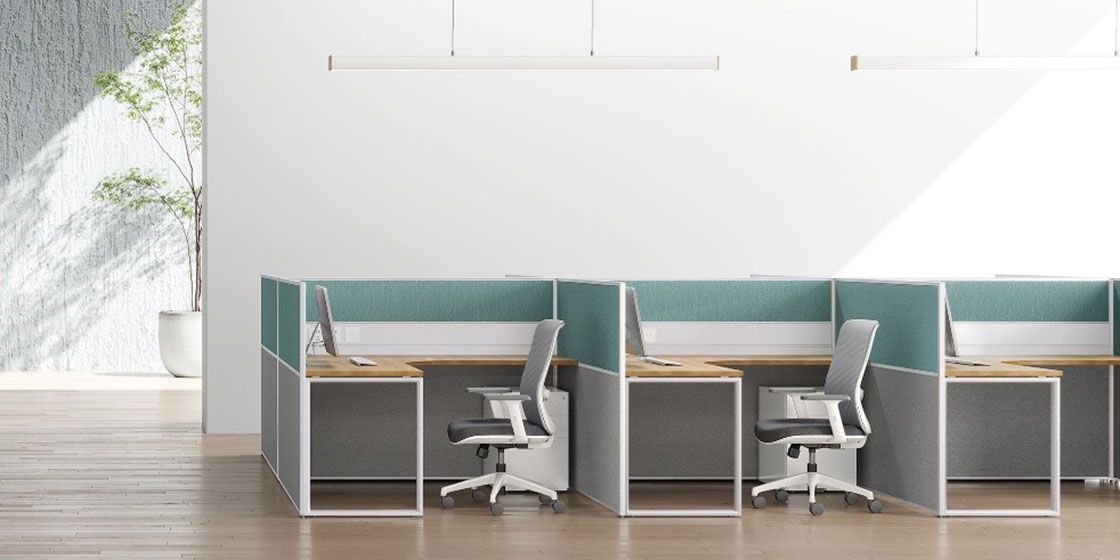
Dr. Tracy Brower, a sociologist who focuses on work, employees, and the workplace, emphasizes the important relationship between the office and well-being. She believes the office affects people's health—and health here means far more than physical health. Well-being is a holistic concept of health that encompasses physical, cognitive, and emotional factors.
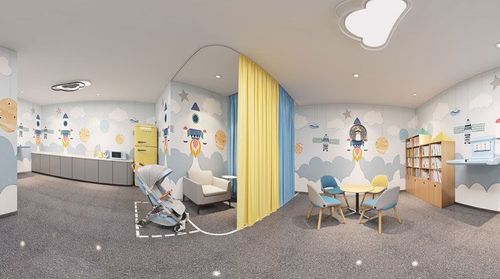
Today, as organizations pursue maximum team productivity, well-being has become a central principle of office design. How to create experiences in otherwise dull work environments that make people feel pleasant, comfortable, and effective has therefore become a pressing challenge for the emotional design of office space.
1. Offer an office ecosystem full of choices
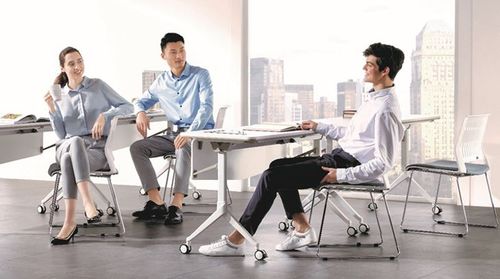
A well-being office is not made up of monotonous cubicles or rows of open workstations. The Yihang Dimension family was born out of the pursuit of happy work: with flexible, free combinations, it supports three types of spaces—focus, collaboration, and sharing—creating diverse ways of working. Employees can freely choose where to work, so you fall in love with your job!
2. Focus on your work, undisturbed
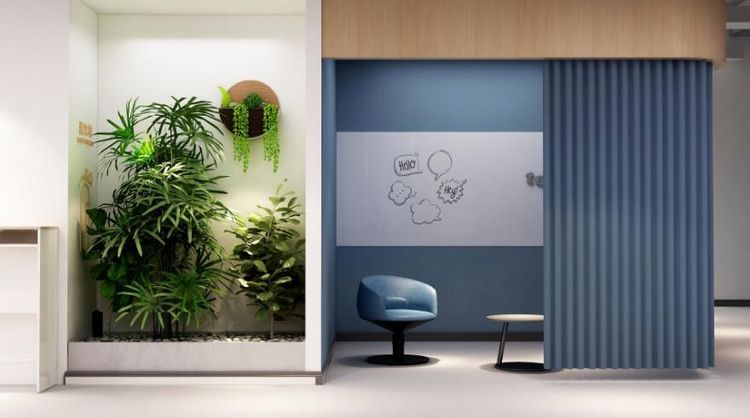
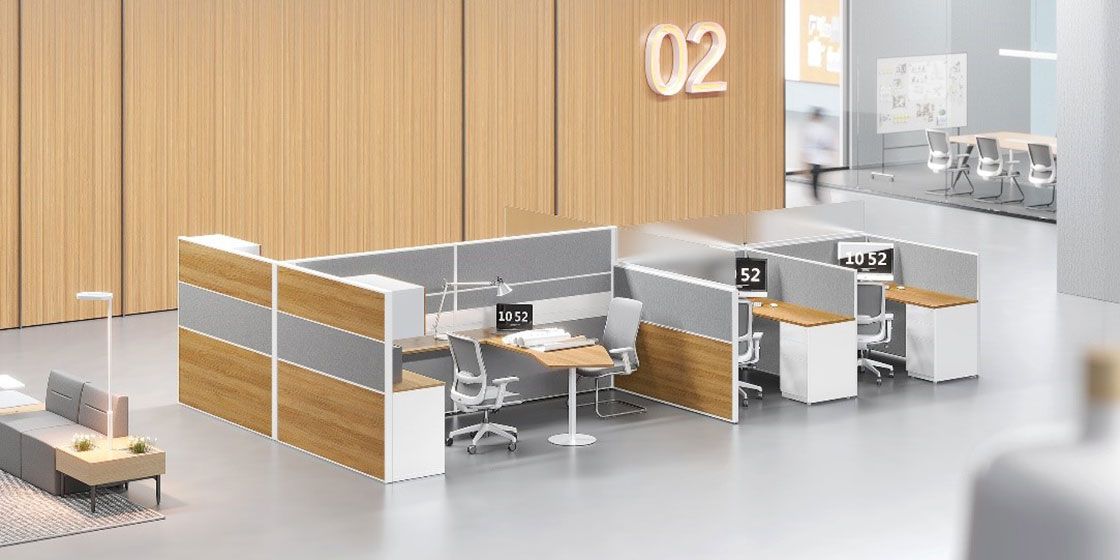
Dividing a space does not create barriers or limit creativity—instead, it fully unlocks work potential. High-quality acoustic screen materials block out all kinds of noise, letting you work with complete concentration and enjoy a quiet corner in a noisy office.
3. Friendly, relaxed, and always ready to connect
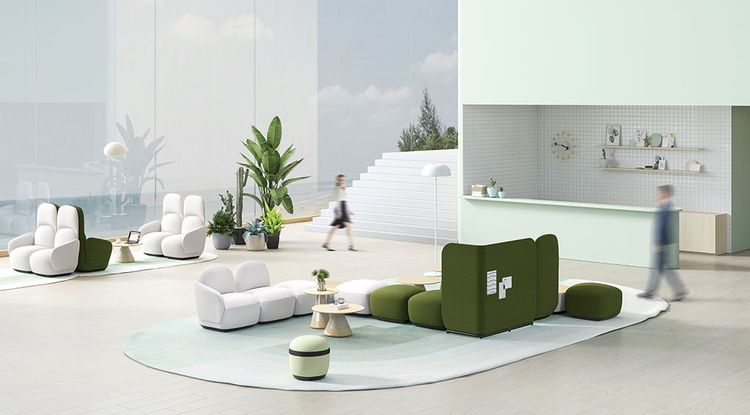
A good team is the key to success. Try creating multiple informal, natural, and friendly spots: lightweight screens can be freely combined into any layout you like, with one lead position paired with two-, three-, and multi-person seats... bringing the workplace to life and making communication between managers and their teams far easier.
As it renews office environments, Yihang recognizes the need to update how we think about the workplace and how we design it. Well-being comes not just from the office environment, but from our understanding of work, of people, and of place—and our constant pursuit of it.