
Age-Friendly Design: Key Points When Choosing Furniture
Senior universities are important places for retired people and senior cadres to continue learning, expand their knowledge, and meet their cultural and spiritual needs. In one group's senior university project, Yihang followed age-friendly design principles — accurately grasping older adults' functional and environmental needs based on their physical and psychological characteristics, and thoughtfully building a warm space for education and leisure. This article shares the key points of furniture selection under age-friendly principles.
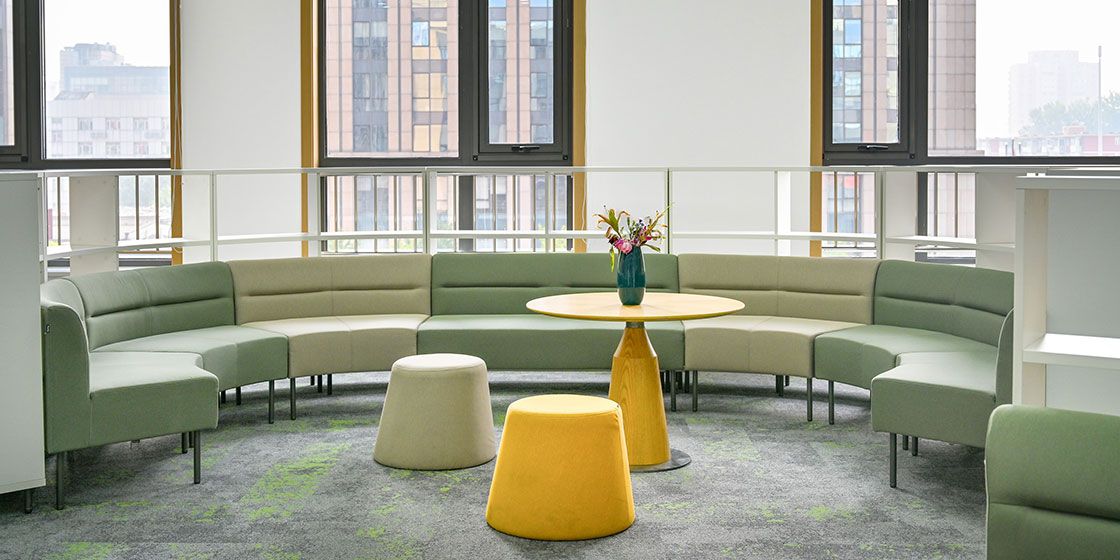
I. Stability and Safety: Age-friendly furniture should be stable and safe to ensure older adults' security and comfort. For example, choose heavy furniture that will not easily shift or tip over. Edges, corners, and hardware should be rounded, avoiding anything sharp or protruding to reduce the risk of accidental injury.
II. Comfort: Age-friendly furniture should follow ergonomic principles to enhance older adults' comfort. For example, the seats and backrests of chairs and sofas should provide adequate support so older adults can maintain correct posture, and mattress firmness should be moderate to ensure good sleep quality.
III. Ease of Use: Age-friendly furniture should be easy to use to support older adults' daily lives. For example, switches and outlets on age-friendly furniture should be easy to reach and operate, making it convenient to use electrical appliances. Storage space should also be generous enough for older adults to keep their belongings organized.
IV. Adjustability: Adjustability is especially important in age-friendly furniture, because older adults' height and body shape change over time. For example, the seat height and depth of age-friendly chairs and sofas should be adjustable to suit users of different statures, and bed height should be adjustable too, ensuring proper support for the legs and lower back.
V. Color: Since older adults' eyesight may have declined, colors that are too harsh or too dim can strain their vision. Avoid overly strong color contrasts and choose softer, warmer tones instead, creating a cozy, comfortable atmosphere.
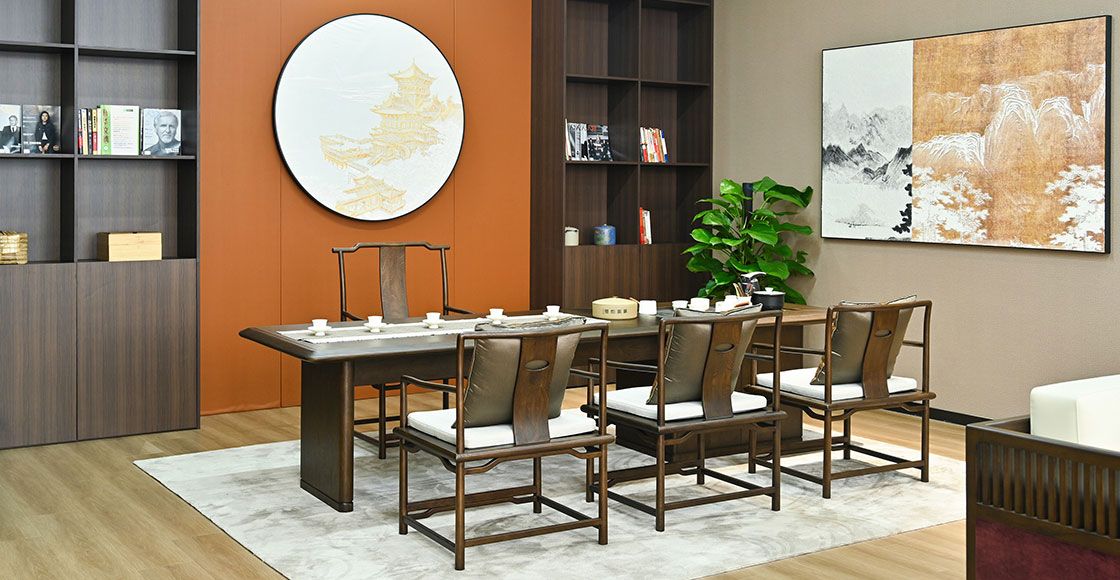
In short, when choosing age-friendly furniture, focus on stability, safety, comfort, ease of use, adjustability, and color to safeguard older adults' quality of life, health, and safety.
You may also like
Inclusive Office Design: Optimizing Furniture for Happiness
Read More
European Designer Interview: Uncovering the Fun of Office Furniture
Read More
Office Furniture Trends: Creating Dynamic Learning and Training Spaces
Read More