A Quick Guide to Office Furniture Fabrics
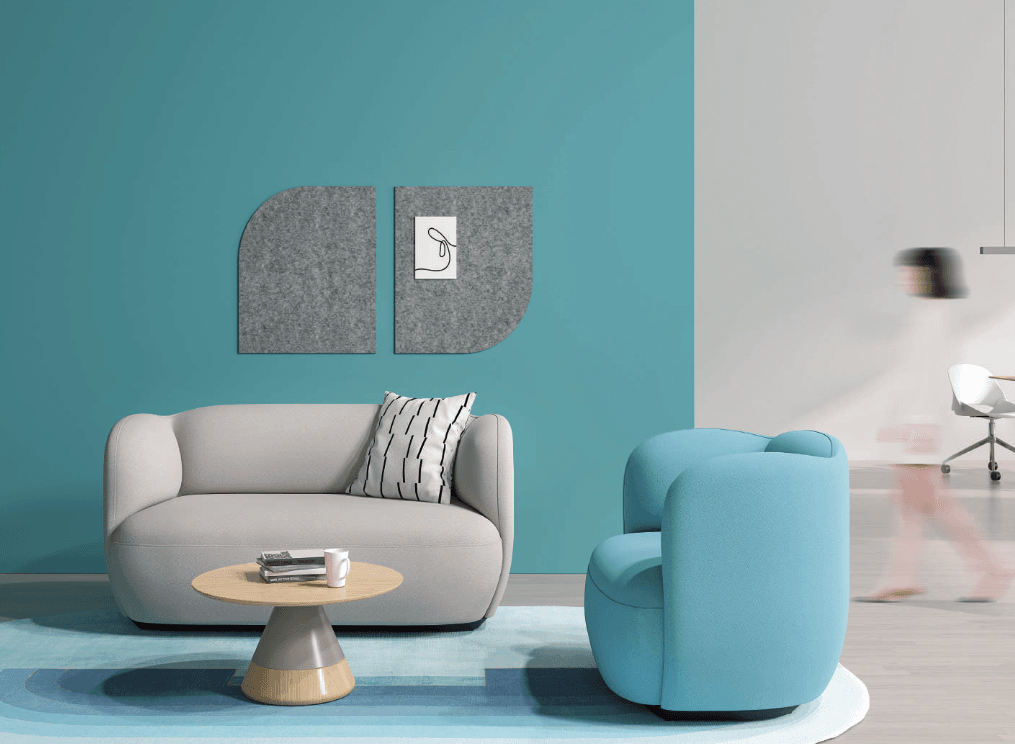
Upholstery, or the textiles used on furniture, is a specific domain of furniture selection. Depending on the needs of the user or owner and the intended use of the area, fabric can set the right atmosphere and tone for a workplace. With the right textures, colors, and patterns, you can be sure of achieving the intended result.
Some of the most critical elements used in the design and planning of commercial spaces are fabrics. We have put together a helpful guide summarizing what to consider when choosing office furniture fabrics or textiles.
Factors to consider when choosing fabric for your furniture:
Fabric is chosen for office spaces not only because it looks good, but also because it is comfortable to use, easy to maintain, and available in a wide range of options. To ensure it fits the space, factors such as material, color, and pattern must be considered, along with the overall atmosphere of the space and the durability of the material.
First: Keep office furniture fabrics out of direct sunlight
All textiles fade over time. Consider keeping fabric out of direct sunlight, as this will cause it to fade faster. With this in mind, you can either move furniture away from windows or choose fade-resistant materials. For areas that receive direct sunlight, the best option is to choose materials with high color fastness; the color fastness index matters little in enclosed, darker spaces.

Second: Cleaning and maintaining office furniture fabrics
Both water-based cleaners and dry-cleaning products can be used to clean various fabrics. You should have fabric with innate properties that does not require frequent, intensive cleaning. Some upholstery textiles include stain-resistant treatments that extend their service life and help preserve their appearance better. There are many after-treatments available that offer water resistance, antibacterial properties, and protection against mold, mildew, and odor development. Some specialized upholstery may require specialized cleaning processes.
Third: The durability of office furniture fabrics
How often furniture is used determines the lifespan of its upholstery. Your furniture and other textiles must be able to withstand the wear of constant movement and change. Choosing dense, abrasion-resistant fabric for office furniture is essential, as it will not need especially careful handling. It is also a good idea to use tightly woven materials and fabric blends.
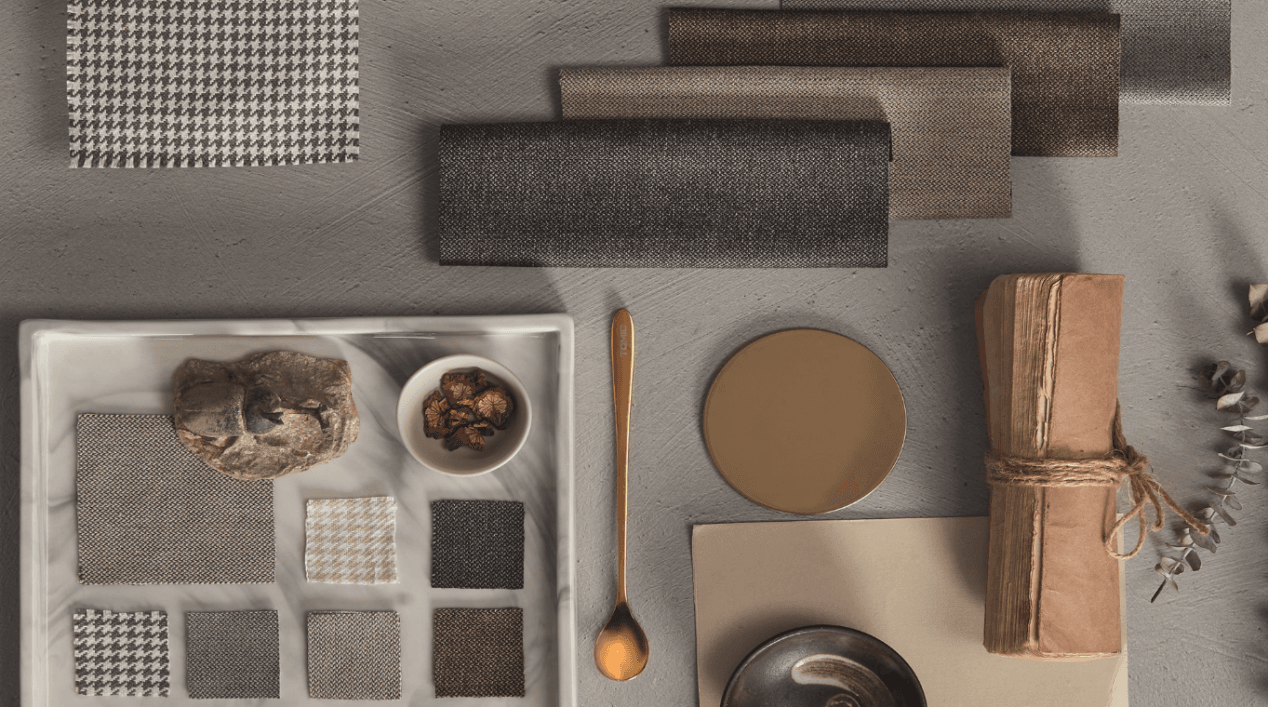
The Martindale test and rub test are currently applied to most upholstery and furniture fabric testing. The result of the Martindale test is a reliable guide, showing how many rubs a fabric can withstand before visible wear. If it can withstand more than 15,000 rubs, it is classified as an abrasion-resistant material. This is an excellent choice for high-frequency use, as it is thicker than other materials.
Fourth: The mood and aesthetics of office furniture fabrics
The atmosphere and overall look of an office will be greatly influenced by the colors and patterns of the materials. Pick textiles in timeless colors that look great and stand the test of time. Warm tones help create a soothing impression, while bright colors create a pleasant, approachable mood. Fabrics with patterns can hide stains well and tolerate use better than plain materials. However, you should verify that the material is acceptable to your clients or consumers, making sure the design you choose complements the office's overall concept, aesthetics, and style.
Fifth: Office furniture fabric brand style
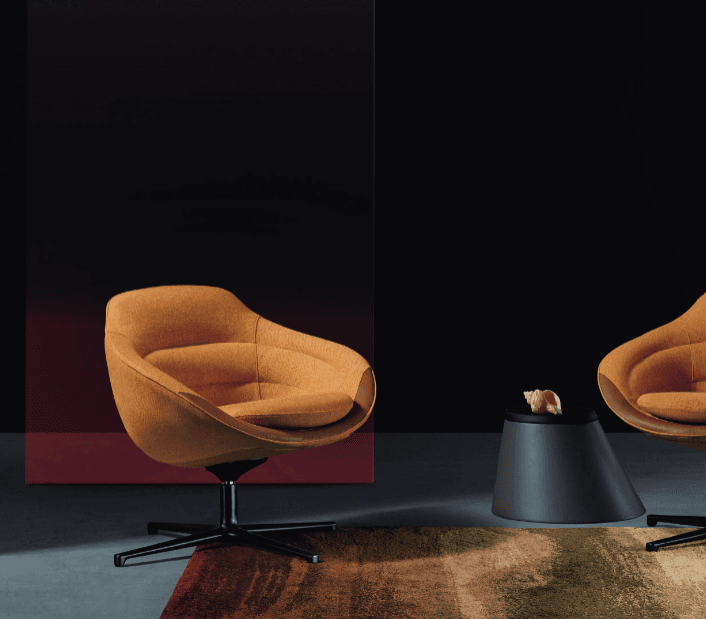
Fabrics can be used to raise brand awareness. Include your brand's primary and secondary colors in the fabrics you choose for furniture. By doing so, you create a link between the physical environment and your brand identity, conveying relevant ideas and messages about your company's values and reputation. It is a simple yet powerful strategy for increasing brand awareness among customers and visitors.
You may also like
The Primacy Effect: First Impressions Apply to Office Furniture Too
Read More
European Designer Interview: Uncovering the Fun of Office Furniture
Read More
Inclusive Office Design: Optimizing Furniture for Happiness
Read More