A Desk Is Not Just a Surface, but a Complete Work System
Choosing a desk used to come down to size, material, and stability. Today, work at the desk is no longer just one thing — computer work, reading documents, online meetings, quick note-taking, charging devices, organizing materials — all of it happens at the same desk. A desk is therefore no longer just a surface, but a work node that connects equipment, office supplies, documents, and personal items.
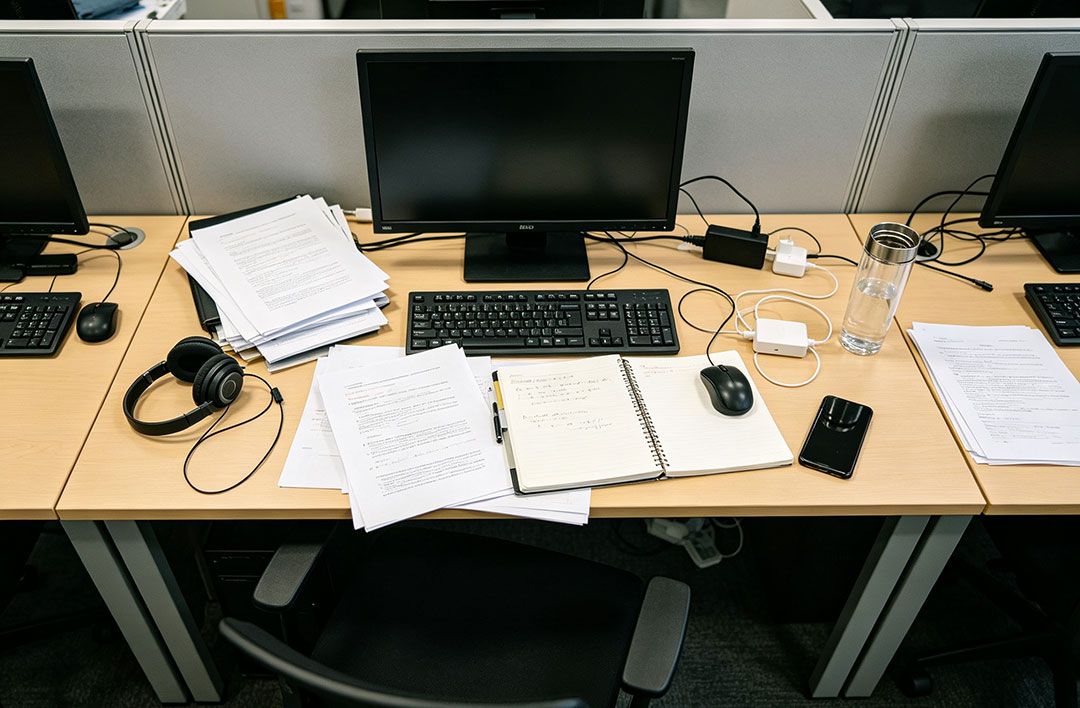
*Image generated by Doubao AI
If the desktop, the space beneath it, and the surrounding area each do their own thing, office supplies end up scattered everywhere, and people are forever searching and shuffling. Conversely, when a desk integrates different functions together, employees can get more done within one clear work zone, without breaking stride.
So desk design shouldn’t stop at the desktop — it needs to extend below and above: below, a matching file cabinet takes in documents and personal items; above, a screen shelf offers convenient storage, so every type of item finds a proper place within the work zone.
Under-desk storage: give documents and items a stable home
The space under the desk is often overlooked, yet it is the closest to employees’ daily movements and the most natural place to take in documents, supplies, and personal belongings.
In the desk’s work system, the Steelbox file cabinet plays exactly this under-desk role, giving documents and frequently used items a dedicated, independent storage spot.
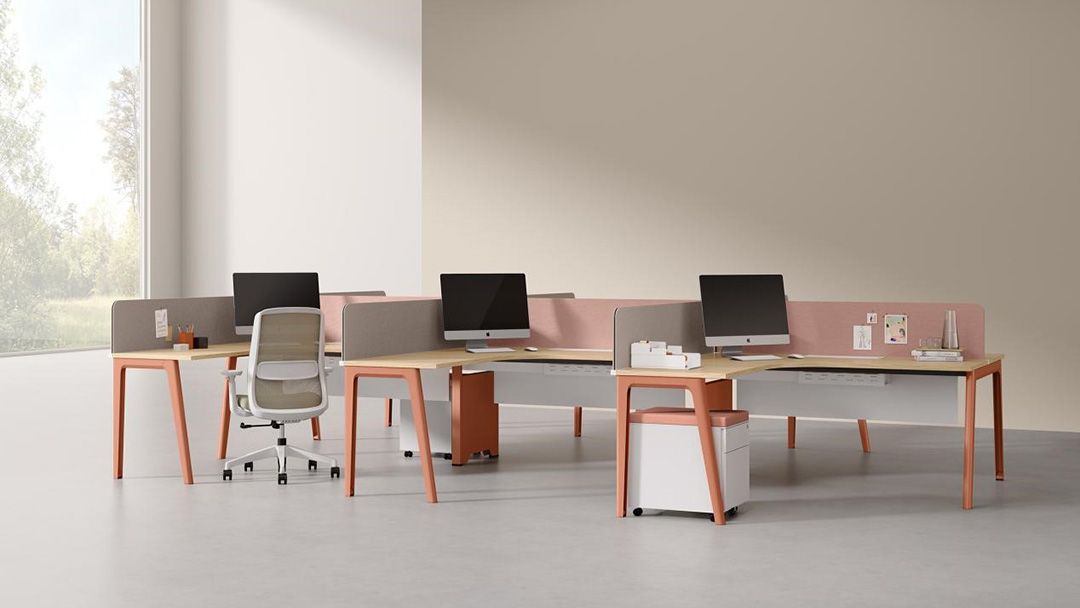
Compared with piling files on the desktop or tucking everything into a distant cabinet, an under-desk file cabinet sits much closer to the way people actually work: materials in use stay within arm’s reach, while documents not needed right away can be returned promptly without occupying the work surface.

So the value of under-desk storage isn’t just a bit of extra space — it keeps document management continuous with the flow of work: files within easy reach, returned as soon as they’re done.
Above-desk storage: keep high-frequency items within easy reach
If under-desk storage handles “storing,” above-desk storage handles “retrieving” — it is better suited to items used constantly.
Headphones, stationery, sticky notes, frequently used documents, even some office devices get picked up again and again during work. Stuff them all into drawers or cabinets and the desktop certainly looks tidy, but every retrieval takes a detour.
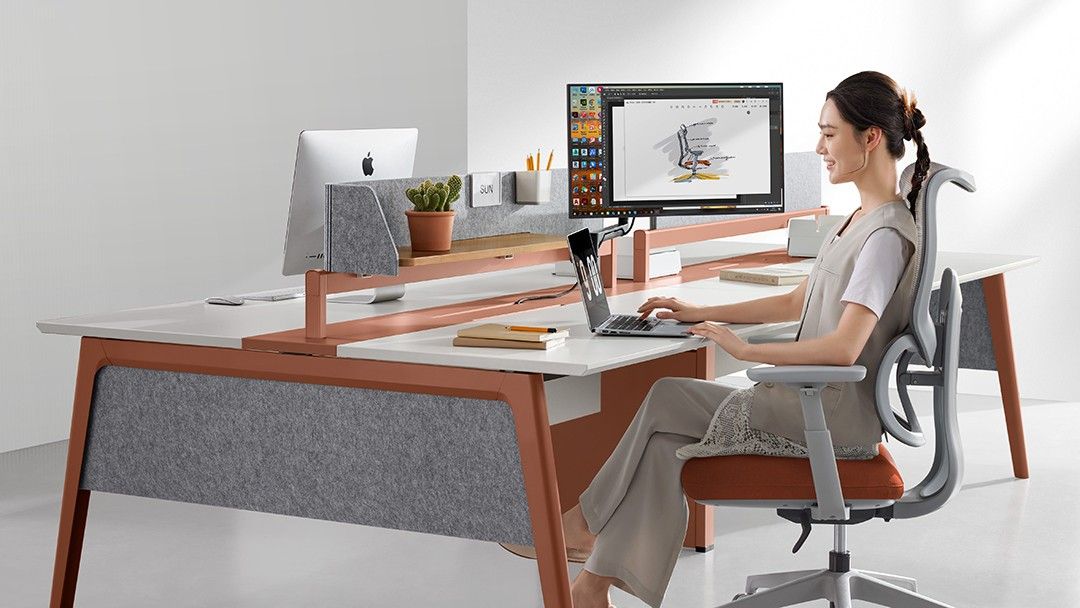
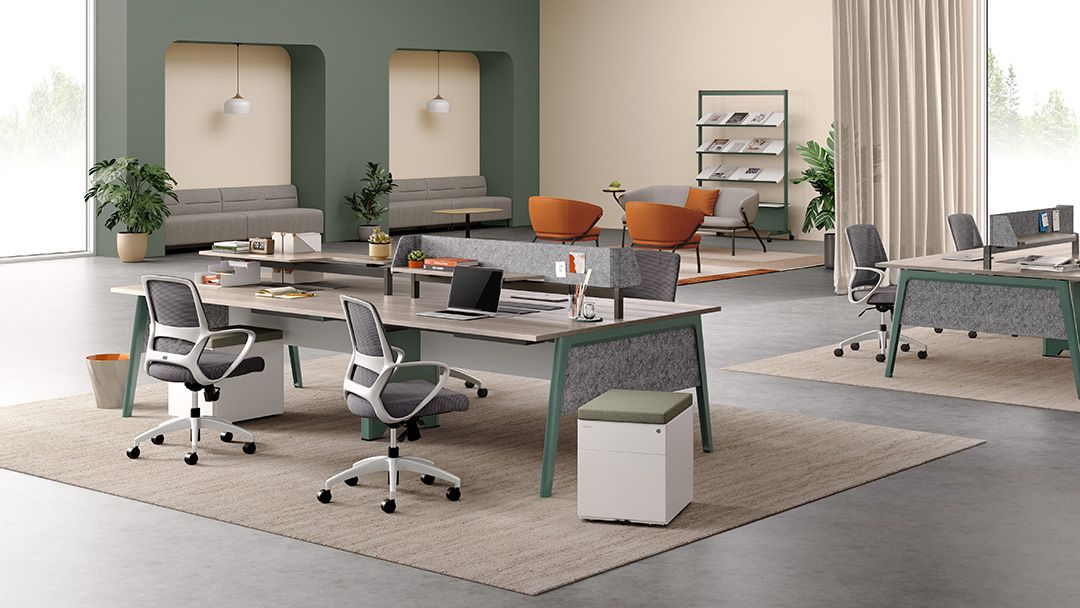
The screen shelf of Yihang’s LIDO Pro is designed precisely for this kind of “frequent retrieval” — it gives the desktop a more direct way to keep things at hand.
It uses the vertical space above the desk to lift frequently used items off the work surface, reducing clutter in the operating zone; at the same time it naturally creates zones, so equipment, documents, and personal items each have their place and the desktop stays clear.
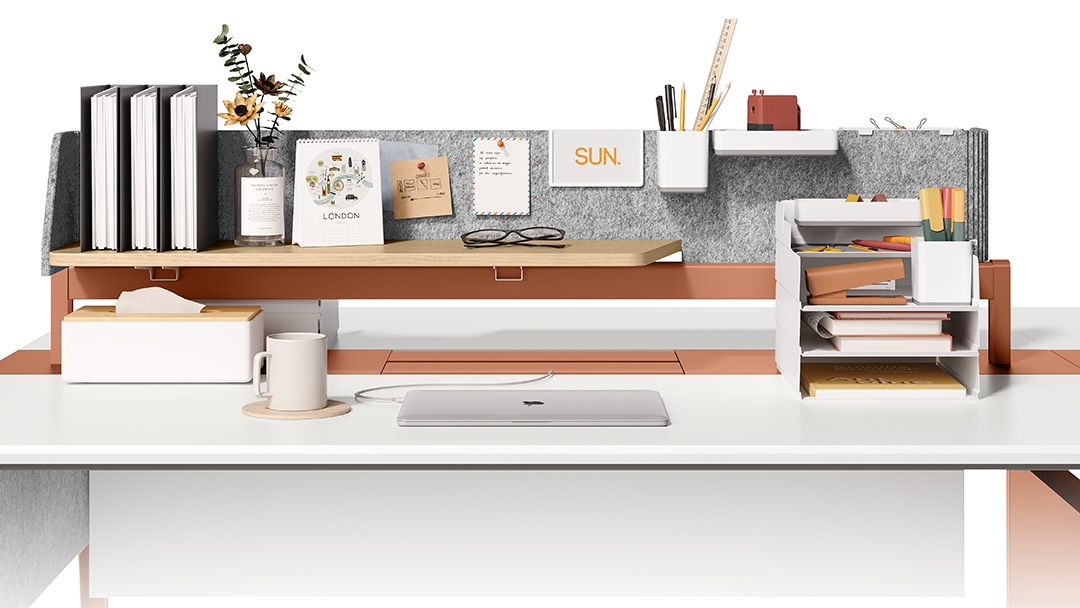
So above-desk storage isn’t simply bolting on a shelf — it re-organizes the desktop by how often items are used.
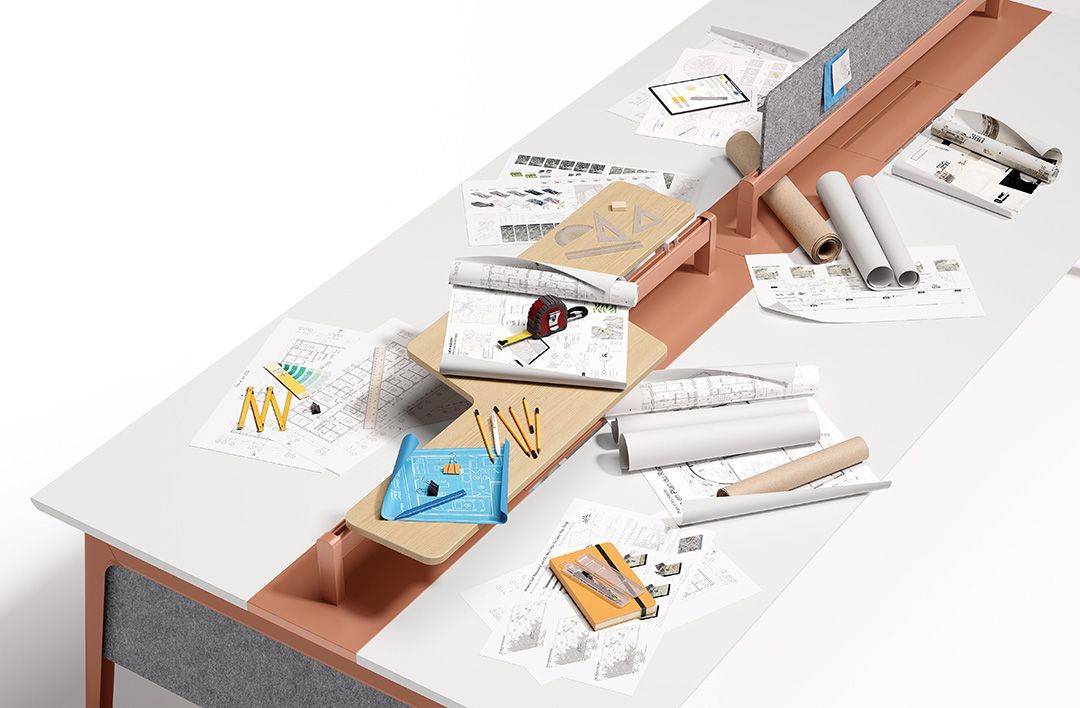
High-frequency items sit within arm’s reach, documents are arranged by their state of use, and the desktop keeps most of its space for computer work, writing, and reading.
There has never been just one way to organize a desk. Above-desk storage solves frequent retrieval and immediate use; under-desk storage takes care of document management, item storage, and zone organization. Working together, they cover what employees actually need across different working states.
You may also like
Championing Formaldehyde-Free Offices: Yihang's Healthy Work Mission Upgraded
Read More
Freedom Without Excess: Where Creative Teams Should Work
Read More
Healing Office Workers' Obsession with Symmetry in Design
Read More