Yihang Healthcare Design: A New Patient Experience for Two Leading Hospitals
As a leader in healthcare space design, Yihang partnered with the China-Japan Union Hospital of Jilin University and the Pinghu Hospital of Traditional Chinese Medicine in Jiaxing to carefully plan and implement a series of space renovation projects. The projects cover every core area of the hospitals — from busy outpatient consultation rooms to quiet inpatient wards, and from welcoming dining areas to efficient office zones — aiming to break the boundaries of the traditional medical space and create a brand-new healthcare environment that is full of human care yet remains efficient and convenient.
1. Reception lobby: a warm welcome that eases every worry
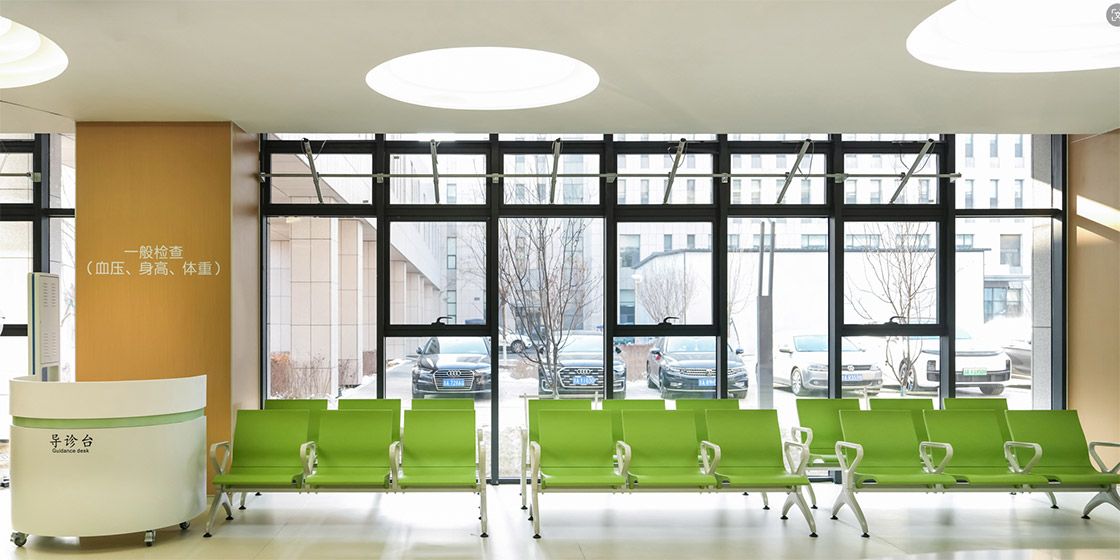
Figure: Beihu Campus, China-Japan Union Hospital of Jilin University
From the first step into the hospital, Yihang redefined the reception lobby with a "de-hospitalization" design philosophy. The deft fusion of blue and green not only conveys a strong signal of safety and health but, with a touch of natural freshness, makes patients feel the warmth and reassurance of home the moment they enter. Accents of greenery and the introduction of sunlight lend the austere medical space more life and relaxation, effectively easing the waiting stress of patients and their families.
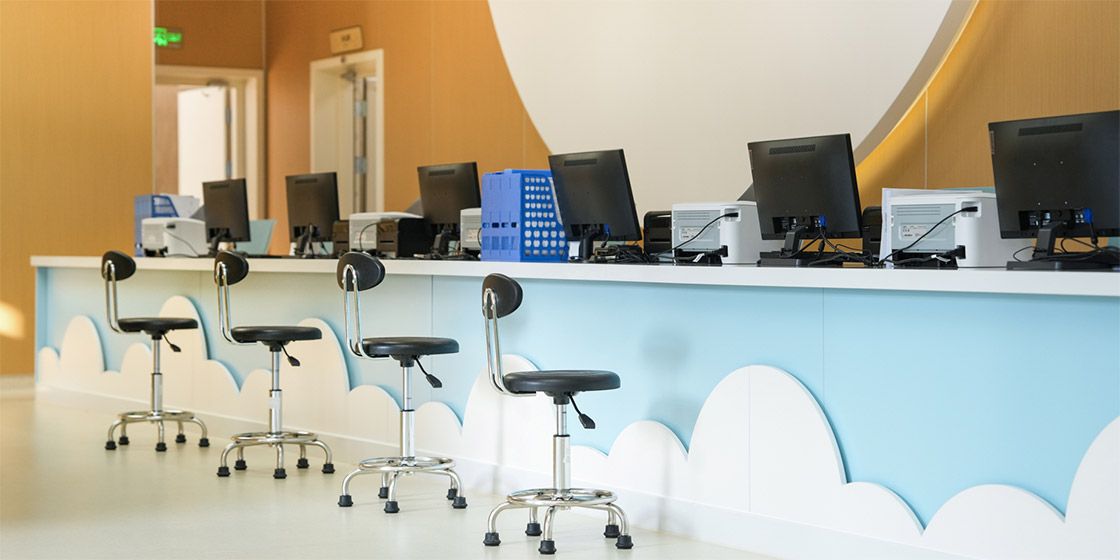
Figure: Beihu Campus, China-Japan Union Hospital of Jilin University
As important public areas of the hospital, the corridors and rest zones were furnished by Yihang with full consideration of ease of passage and convenience of maintenance. Furniture made with nanotech fabrics is not only waterproof, stain-resistant, and easy to clean but also pleasant to the touch, offering doctors, nurses, and visitors a delightful resting experience.
2. Consultation rooms: private, warm, and efficient communication
As the front line of doctor-patient exchange, the consultation rooms were given a compact, rational furniture layout by Yihang, creating a diagnosis and treatment environment that is friendly and pleasant yet relatively private. The enlarged consultation desk surface not only improves doctors' efficiency but also strongly supports effective, efficient communication between doctors and patients.
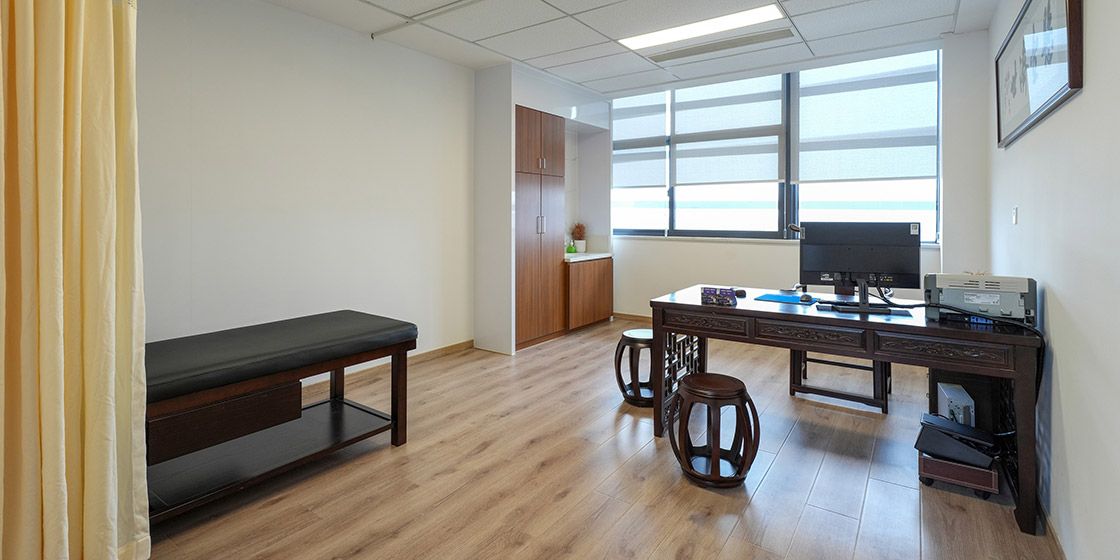
Figure: Pinghu Hospital of Traditional Chinese Medicine, Jiaxing
The traditional-Chinese-medicine consultation room is distinctive in its own right: Yihang cleverly combined classical charm with the needs of modern healthcare, using an exquisite Chinese-style furniture layout, premium timber, and traditional mortise-and-tenon joinery. Every detail reveals a professional style that is rustic yet elegant, letting patients feel cultural enrichment and spiritual comfort even as they receive traditional medical treatment.
3. Ward areas: patient-centered comfort, a warm harbor
The ward is a haven for patients' recovery. In selecting and arranging ward furniture, Yihang gave full consideration to patients' practical needs. Storage furniture such as bedside cabinets and wardrobes is sensibly designed to meet patients' storage needs while remaining convenient to use.
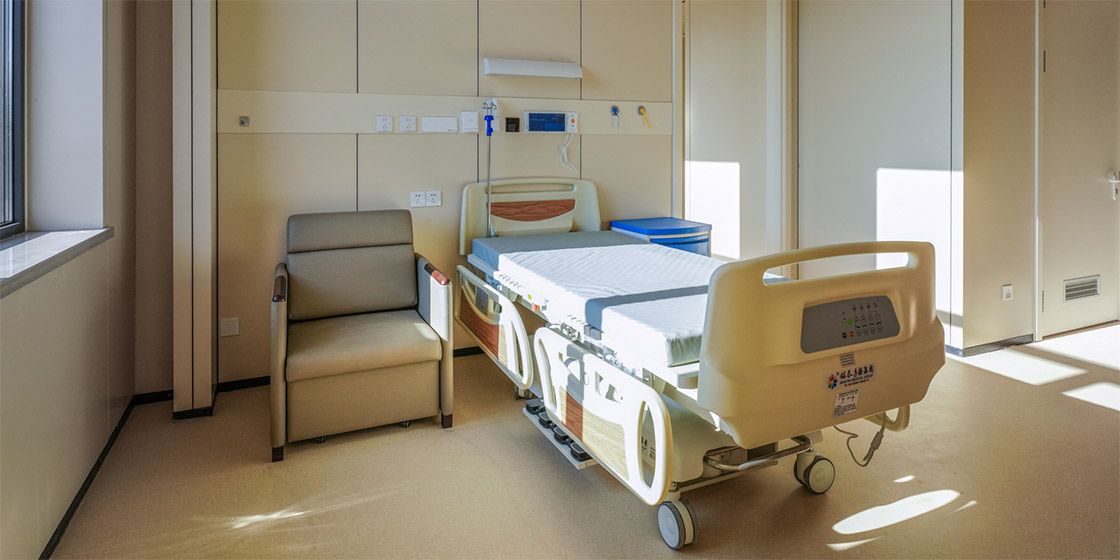
Figure: Nanhu Campus, China-Japan Union Hospital of Jilin University
For the VIP wards, Yihang devoted even more care. The caregiver sofa integrates sitting, lying, reclining, and storage in one piece, with ease of moving and folding also considered, creating a warm, comfortable, patient-centered ward environment for patients and their families.
With human-centered design at its core and a deep fusion of the needs of both doctors and patients, Yihang tailored modern healthcare solutions for the China-Japan Union Hospital of Jilin University and the Pinghu Hospital of Traditional Chinese Medicine. Through this series of innovative designs and practices, Yihang has not only reshaped the face of healthcare spaces but also improved the patient experience, making the process of care warmer, more comfortable, and more efficient and convenient. Looking ahead, Yihang will continue to uphold this philosophy and bring unprecedented change and upgrades to more medical institutions.