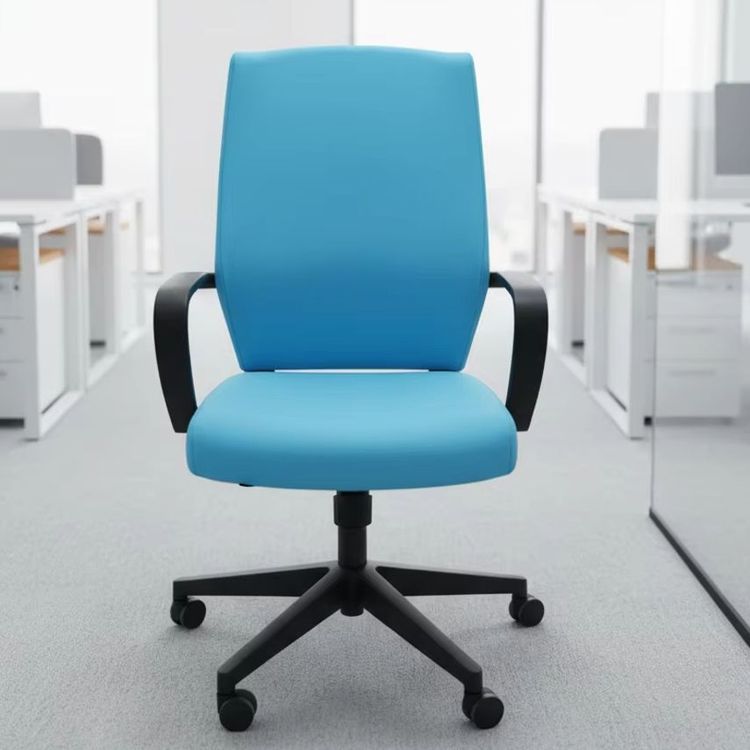
Why Office Chair Testing Matters: A Quick Guide
Office chair testing is crucial for reasons including ensuring safety and stability, guaranteeing durability and strength, meeting standard requirements, enhancing comfort, and ensuring product quality.

Ensuring Safety and Stability: Office chair testing includes stability tests, such as those specified in the EN1335 standard, which simulate the chair's resistance to tipping under different directions (forward, sideways, backward) and various external forces. This ensures that the chair remains stable during daily use, reducing the risk of accidents and injuries caused by chair tipping, and providing safety for users.
Guaranteeing Durability and Strength: The durability and strength of the chair are evaluated through cyclic loading tests. For example, seat durability tests simulate repeated sitting pressure, while backrest durability tests simulate repeated pushing on the backrest. These tests help identify potential failure modes, such as material fatigue, loose connections, or structural cracks, ensuring that the chair can withstand prolonged use.
Meeting Relevant Standards: Office chairs sold in specific markets, such as the EU market, must comply with specific standards, such as EN1335. This involves requirements for dimensions, stability, strength, and durability. Compliance means that the chair meets minimum safety and performance standards, giving consumers confidence in the product's quality.
Enhancing Comfort and Ergonomics: Although not directly covered by testing standards, testing and compliance requirements influence the design and material selection of the chair, thereby affecting comfort and ergonomic performance. Reasonable support structures, comfortable cushioning materials, and adjustable components help the chair support prolonged sitting postures, reducing discomfort and fatigue.
Ensuring Product Quality: Testing helps manufacturers identify defects or weaknesses early in the production process, allowing for improvements before the product reaches consumers. This reduces the likelihood of returns or complaints due to product failures, enhancing overall product quality and customer satisfaction.