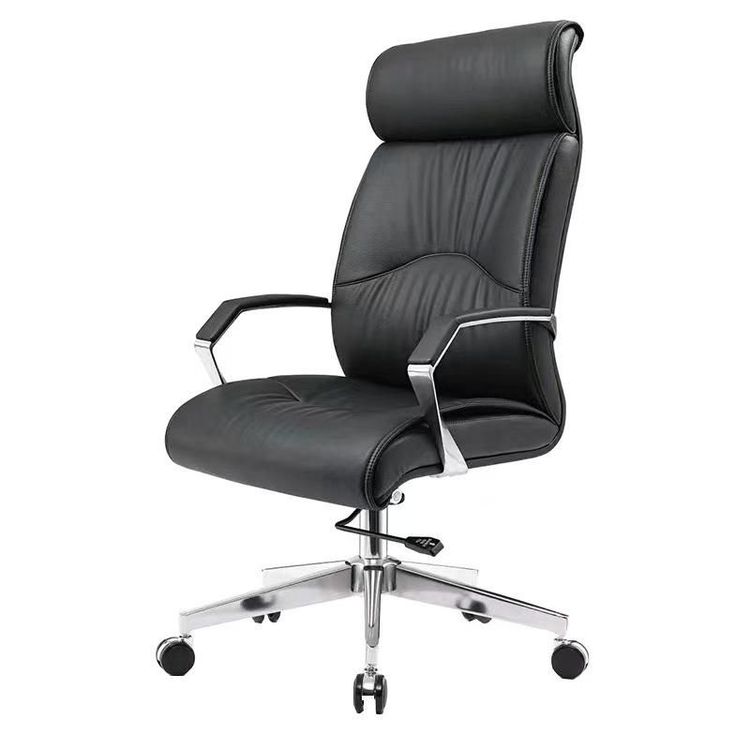
Why Office Chair Safety Matters: A Quick Guide
Office chair safety is crucial as it directly affects the health and practical functionality of users, covering aspects such as explosion prevention, structural stability, long-term reliability, and ergonomic health.

Explosion Risk and Structural Integrity
Office chairs often use pneumatic rods to adjust height, relying on compressed gases (such as nitrogen) for lifting and lowering. If the pneumatic rod has design flaws or is of poor quality, it may lack sufficient safety mechanisms, such as thickened steel walls, explosion-proof rings, or directional pressure relief channels. Under abnormal conditions like seal failure, temperature changes, or physical impact, such flaws can cause the pneumatic rod to suddenly explode, with flying metal fragments causing serious harm to users.
Structural Stability and Injury Prevention
Defective components of the chair (such as fragile backrests or loose bolts) can lead to collapse or abnormal movement. For example, the United States and Canada have recalled some chairs due to issues like backrest breakage (resulting in falls) or bolt failure (causing users to suddenly drop). This highlights the necessity of a sturdy structure and rigorous quality testing to prevent acute injuries caused by component failures.
Long-Term Reliability and Durability
Safety is not only about immediate risks but also about durability under frequent use. High-quality chairs use seamless steel tubes (which are sturdier than welded tubes) and advanced sealing technologies (such as double seals or labyrinth structures) to maintain stable pressure and prevent sudden sinking or stiffness after long-term use. These designs reduce maintenance needs and ensure consistent chair performance.
Ergonomic Health Impact
Safe chairs should also support proper sitting posture, reducing pressure on the spine, shoulders, and hips. Adjustable components (such as seat height and lumbar support) and a stable structure help users maintain a neutral posture, reducing the risk of chronic pain or musculoskeletal disorders caused by prolonged sitting. For example, ergonomic chairs can distribute body pressure, promote blood circulation, and enhance work efficiency and comfort.
In summary, office chair safety requires a comprehensive consideration of explosion prevention, structural stability, long-term reliability, and ergonomic support. These elements together form the foundation for avoiding injuries, ensuring normal functionality, and promoting a healthy work environment.