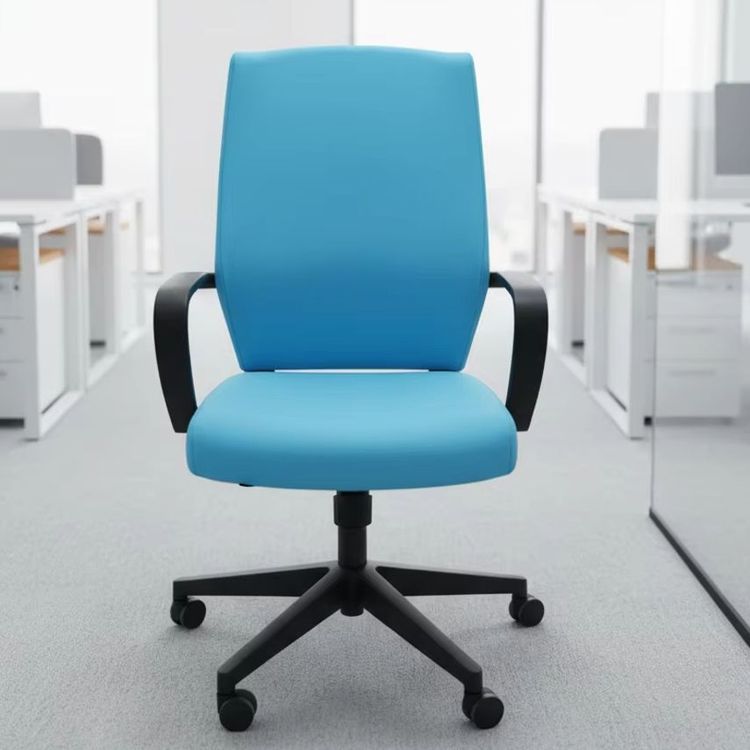
Which Office Chair Thickened Padding Is Right for You? A Comparison
Currently, it is not possible to directly compare the pros and cons of different thick-padded office chairs based on the available information, but we can provide suggestions on the suitability of thick-padded office chairs by combining ergonomic design principles and purchasing frameworks.

The Core Functions of Thick-Padded Office Chairs
The main advantage of thick-padded office chairs lies in enhancing sitting comfort by increasing the seat cushion thickness (usually over 5cm), which is particularly suitable for people who need to sit for long periods (e.g., more than 6 hours a day) or have special support requirements for their buttocks and legs. The material and structure of the thick padding directly affect its support and durability: high-density memory foam or cold-cured foam can provide uniform support, preventing numbness in the buttocks due to concentrated pressure; while ordinary foam or low-density fillers may collapse over time, reducing comfort.
Suitable Users and Scenarios
- Heavier individuals: Thick padding can disperse the pressure exerted by body weight on the seat, reducing localized pressure. For example, users weighing over 80kg who choose high-density foam seat cushions with a thickness of over 8cm can significantly reduce fatigue from prolonged sitting.
- People with lumbar issues: Thick padding should be used in conjunction with ergonomic designs (e.g., adjustable lumbar supports). If the seat cushion is too thick but lacks lumbar support, it may cause pelvic retroversion, increasing the burden on the lumbar spine.
- Hard floor office environments: Thick padding can cushion the reaction force from the floor, making it suitable for offices or home studies without carpets, reducing leg vibrations.
Purchase Considerations
- Material takes precedence over thickness: Prioritize cold-cured foam or memory foam over low-density ordinary foam. You can test the rebound speed by pressing the seat cushion: high-quality materials will return to their original shape within 3-5 seconds after being pressed, while inferior materials may take more than 10 seconds or fail to fully recover.
- Match thickness with the backrest angle: If the backrest angle is adjustable (e.g., 100°-135°), it is recommended to keep the thickness of the thick padding between 6-8cm; if the backrest is fixed and relatively upright (e.g., 90°-100°), it can be appropriately increased to 8-10cm to enhance comfort.
- Breathable design: Thick padding tends to accumulate heat, so pay attention to the surface material of the seat cushion (e.g., 3D breathable mesh) or its internal structure (e.g., honeycomb-shaped breathable holes) to avoid discomfort in summer.
Extended Suggestions
If you need to further compare specific models, you can provide brand information (e.g., Herman Miller, Steelcase, or domestic brands like Sihoo and Ergomax). Some high-end series from these brands clearly indicate the seat cushion thickness and material parameters, facilitating targeted analysis.