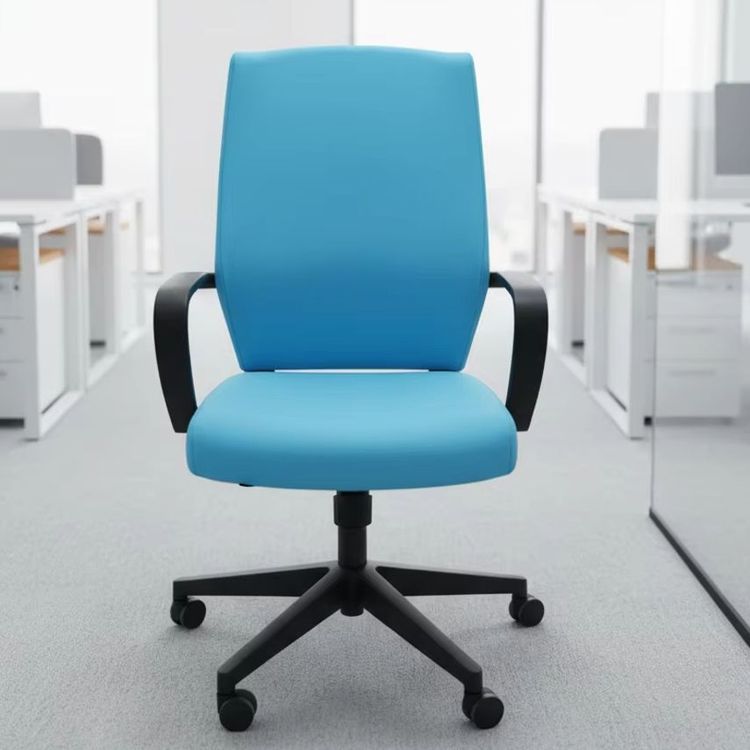
Which Office Chair Picture Is Right for You? A Comparison
Choosing the right office chair requires considering factors such as usage duration, height, usage scenario, and adjustability. Here is a detailed comparative analysis:

1. Selection Based on Usage Duration For short-term use (such as temporary meetings or brief office work), Asari, Cosm, Zeph, and Setu are ideal choices. These chairs are designed to be lightweight and focus on quickly responding to sitting posture needs, but they lack long-term support structures and can easily cause fatigue after prolonged sitting. For long-term office work (over 8 hours), priority should be given to Aeron, Embody, Mirra 2, Sayl, Lino, and Verus. These chairs disperse pressure through ergonomic design. For example, Aeron's "PostureFit SL" lumbar support and Embody's "bionic spine support" technology can effectively reduce damage to the lower back from prolonged sitting.
2. Matching Models Based on Height Tall users (over 185cm in height) need to pay attention to seat depth and headrest height. Aeron Size C and Mirra 2 have a wider adjustable range for seat depth, and their headrests support multi-angle tilting to avoid neck suspension. Short users (under 160cm in height) need to choose models with low backrests or adjustable seat heights. Sayl's "frameless elastic back mesh" design can fit the back curves of smaller body types, while Cosm Low has a lower minimum seat height to ensure feet are flat on the ground and avoid impaired blood circulation.
3. Differentiation Based on Usage Scenarios Personal dedicated chairs need to emphasize personalized adjustability. Models such as Aeron, Embody, and Mirra 2 offer 4D armrests (adjustable up, down, forward, backward, left, right, and angle), seat depth adjustment, and lumbar support tension control, which can adapt to different body types and work habits. For example, programmers may need armrests level with the desktop to support their arms, while designers may be more concerned about headrest height to relieve neck pressure. Shared office chairs need to simplify the adjustment process. Asari, Cosm, Setu, and Zeph adopt "adaptive technology" that automatically adjusts backrest resistance or seat cushion tilt through gravity sensing, eliminating the need for manual operation and adapting to different users, making them suitable for conference rooms or open office areas.
4. Upgrading Based on Functional Needs If you pursue ultimate adjustability, the S9 series is the top choice. Its 6D armrests (including rotation adjustment), 4D headrest, and 4-level seat depth adjustment functions can meet the needs of 10 hours of continuous use, making it suitable for executives or positions requiring multitasking. If you need to save space, the X19 series' foldable armrests and retractable lumbar support design can reduce width by 30%, making it suitable for small apartments or mobile office scenarios. If you are concerned about breathability, the MUSE GOLD series' "adaptive mesh" can stretch with changes in sitting posture, combined with a high-density breathable layer, keeping you dry even after prolonged sitting in summer.