What Does the Future of Work Look Like for Gen Z?
Ever since the term “workplace” was coined, its meaning has kept changing. Above all, it is worth considering what offices are and why they exist. Whatever happens, the workplace will remain a tool for individuals, teams, and the companies they work for. These three groups are tightly linked and together determine a company's DNA. That is why we must understand the evolving needs of Gen Z employees — the main body of today's workforce — because doing so helps us see where the workplace is heading next.

Gen Z's ideal workplace
Gen Z, also known as the Internet generation, refers to those born between 1995 and 2009. According to Zhaopin.com data, on management style, 64.5% of those born after 1995 and 58.5% of those born after 2000 agree that “companies should embrace individuality and managers should give employees more say” — higher than those born in the 1960s (41.4%), 1970s (54.2%), and 1980s (54%). A tolerant, free work environment is what Gen Z favors most.
Gen Z employees value identity. While they crave personal expression, they also crave a sense of community. All told, who they work with matters as much as who they work for. Above all, they choose companies that share their values and whose work environment makes them feel free. Workplaces are changing, and so are their expectations. So how should the workplace of the Gen Z era be run? Below are the key points for future office furniture design.
1. Modularity
The factory was one of the earliest forms of workplace, designed as an assembly line. The Industrial Revolution rolled on with the invention of the elevator and the construction of skyscrapers. Workers would walk into the city's steel jungles and begin their daily routine in their little cubicles. Gen Z tore down the cubicles in favor of open spaces, arranging schedules freely and working remotely. Most importantly, they demand more of the companies they work for: more collaboration, more humanity, more empathy.
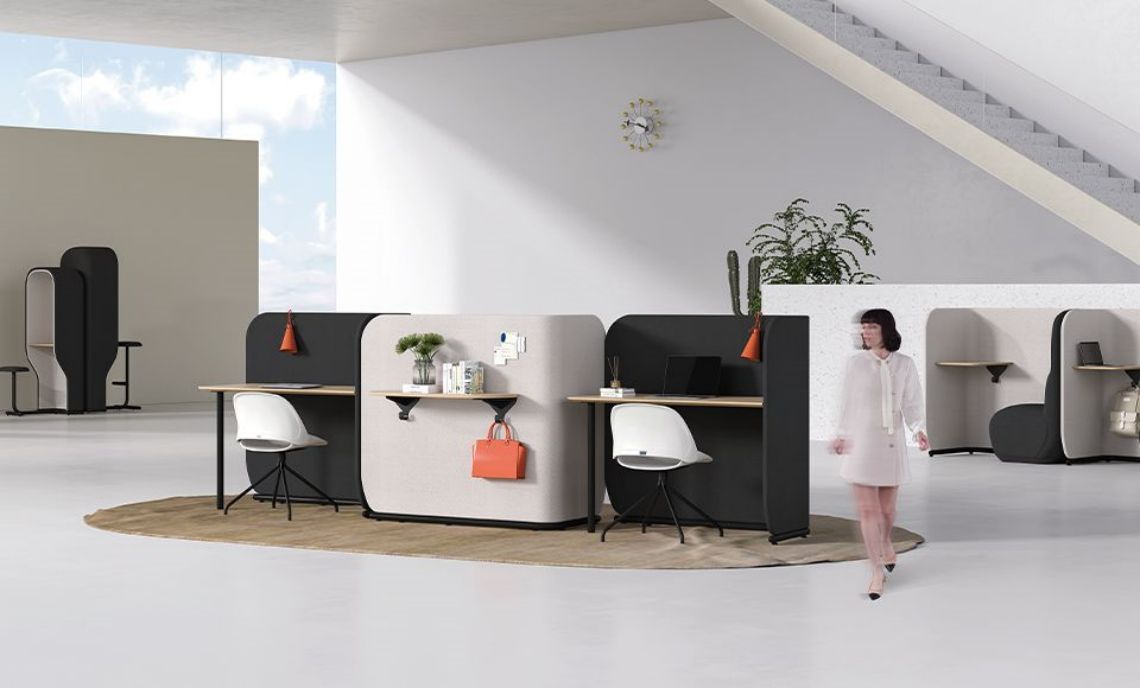
The way people collaborate has changed, and technology has made flexibility possible. Face-to-face meetings can now happen with the camera switched on. Movable modular furniture makes layouts more fluid and flexible, which in turn fuels innovation. When asked whether “working from a flexible position outside a fixed workstation improves efficiency,” over 78% of users said flexible seating in the office does boost their productivity, and over 79% said flexible working relieves fatigue. Clearly, Gen Z rejects mechanical, monotonous work experiences and pursues flexible work environments. With the pandemic layered on top, flexible work has become a genuine necessity for this generation — and in the future it will lead a new model of working.
2. Intelligence
Which service concept resonates most with Gen Z in the office space? The answer is smart offices — specifically, intelligent work experiences and scenarios, at 61.52%. Next come comprehensive services, healthy offices, agile offices, personalized services, and user orientation, at 59.35%, 54.26%, 46.1%, 44.46%, and 42.29% respectively. This means workspace providers will need to keep improving the smart office experience and upgrading work scenarios.
3. Comfort
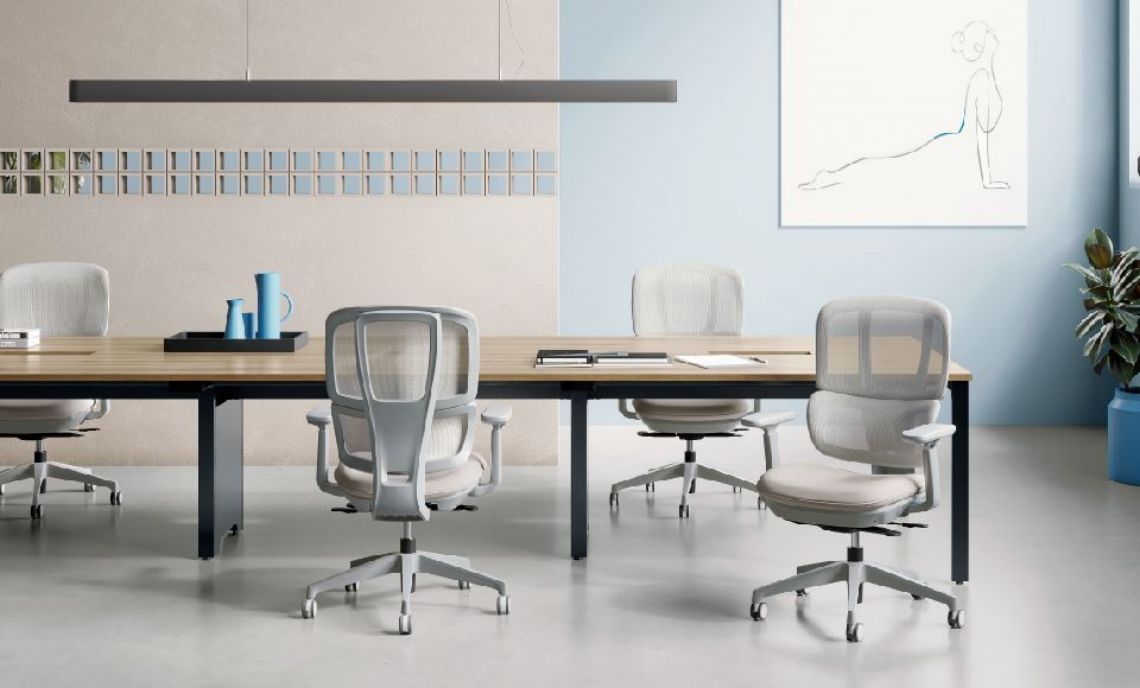
Ergonomic office chairs have won over more and more professionals in recent years. So how much does a comfortable chair — like those provided in Mengjia Plus spaces — actually help productivity? Over 82% of users said it improves their efficiency, and 46.1% said the effect is enormous. The comfort, functionality, and human-centered quality of a workspace determine how productive employees are, and directly affect their sense of well-being.
As competition intensifies, companies must become more proactive in attracting talent. The workplace is one of many attractions, and it directly shapes how people perceive a company's values and culture. As designers, we must rise to this challenge and deliver workplaces that offer choice and support diversity.
Companies need to understand that the workplace of the future is not just a place to get work done. It is a place to learn, relax, connect, and heal. The workplace has already changed — but none of this can exist without an inspired, happy, and connected workforce.
You may also like
Championing Formaldehyde-Free Offices: Yihang's Healthy Work Mission Upgraded
Read More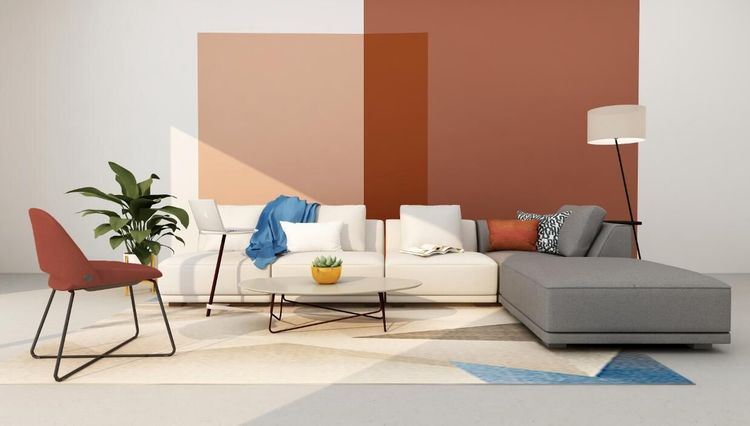
A Fresh Office for a Complex Era
Read More
European Designer Interview: Uncovering the Fun of Office Furniture
Read More