
Understand Three Core Panel Processes for Durable, Reliable Furniture
When buying office furniture, have you ever run into: edges that lift slightly at the trim; a desktop that scratches easily and collects ugly marks; or a “new furniture” smell that never quite goes away?
If panels are the “skeleton” of furniture, then surfacing, edge banding, and finishing are its “skin” and “immune system.” These process details directly determine how furniture looks, how long it lasts, and the health protection it provides over years of use—so they deserve careful inspection at purchase.
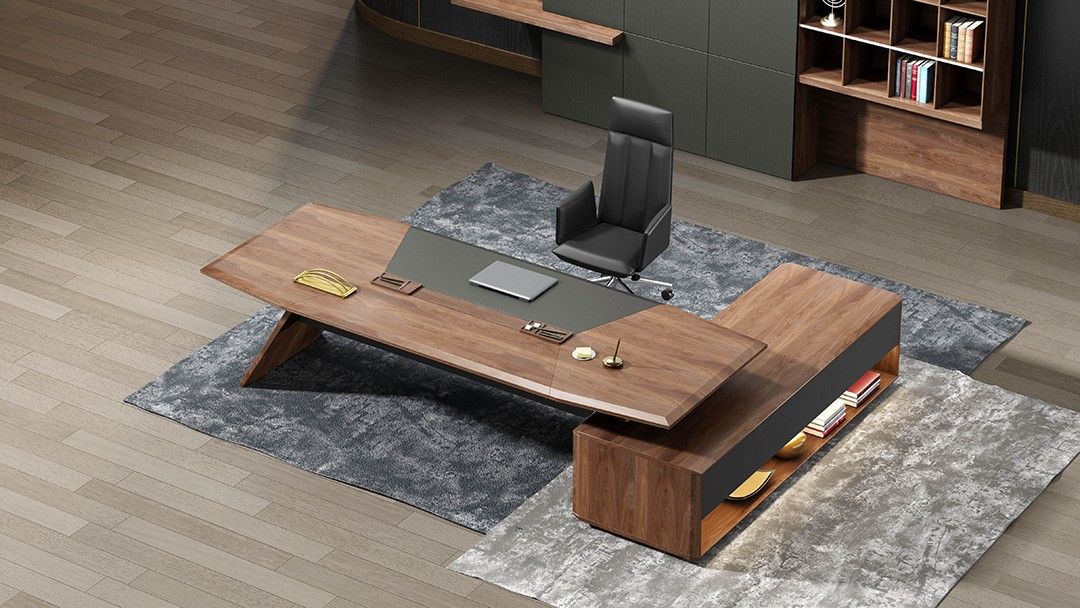
1. Surfacing: The “Skin” of Furniture—Deciding Looks and Wear Resistance
Surfacing is the decorative layer applied to the panel surface. It mainly falls into two categories:
| Surface type | Key traits | Typical applications |
|---|---|---|
| Natural wood veneer | Pros: natural grain, authentic look. Cons: higher price, more waste, no oversized formats | Mid-to-high-end custom products, executive offices, etc. |
| Decorative paper laminate | Pros: cost-effective, wear- and scratch-resistant, flexible sizes. Cons: texture and realism slightly below wood veneer | Value-for-money system products, staff areas, etc. |
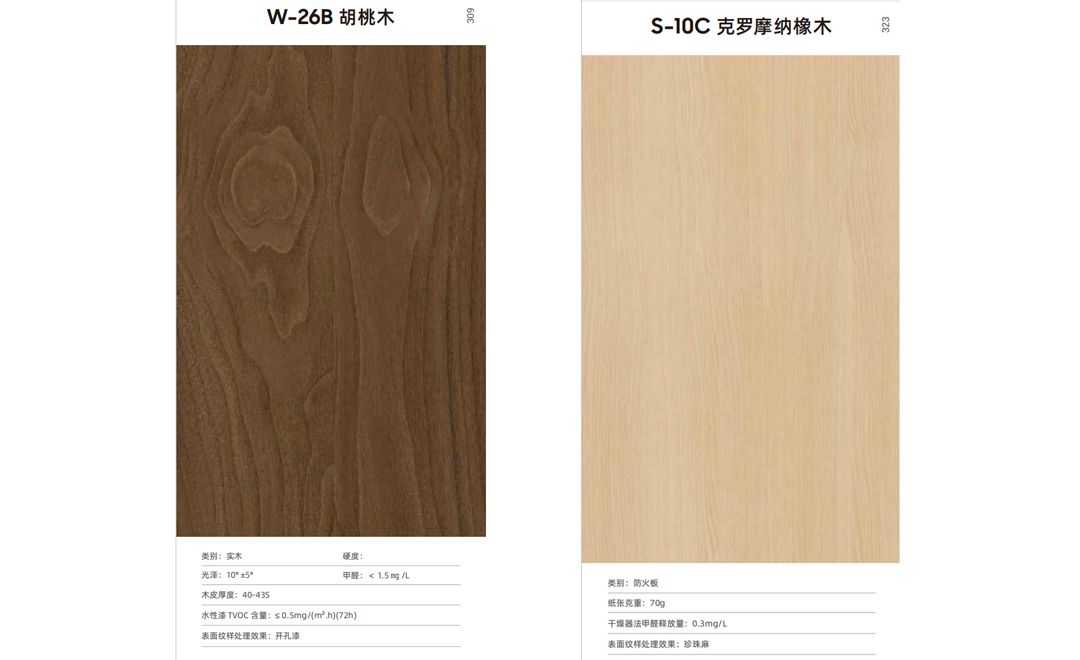
How to judge surface quality?
First, look: check whether the surface is smooth and even, with no flaws.
Second, verify: ask the supplier for test reports based on national standards and check performance data for abrasion resistance, stain resistance, and scratch resistance.
2. Edge Banding: The “Immune System” of Panels—Guarding Health and Moisture Protection
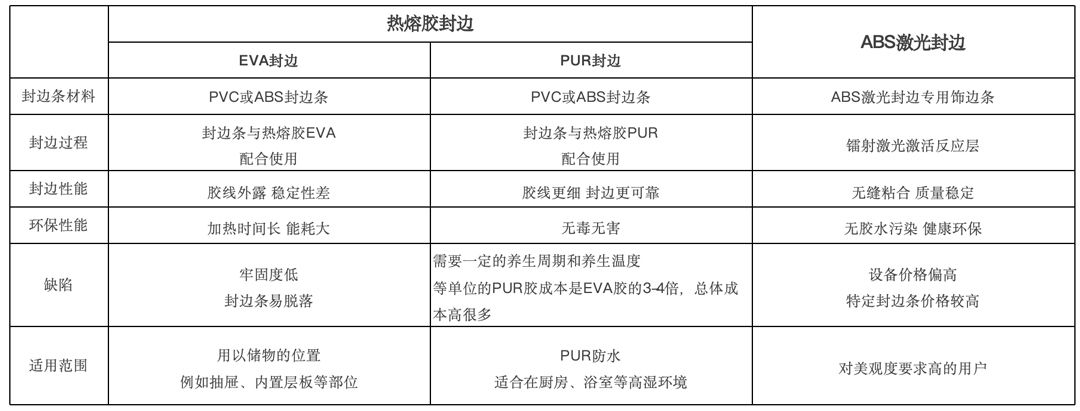
Edge banding seals the panel substrate directly and is critical for moisture protection, deformation resistance, and long-term formaldehyde control. Its quality is determined both by the edge band material and the banding process.
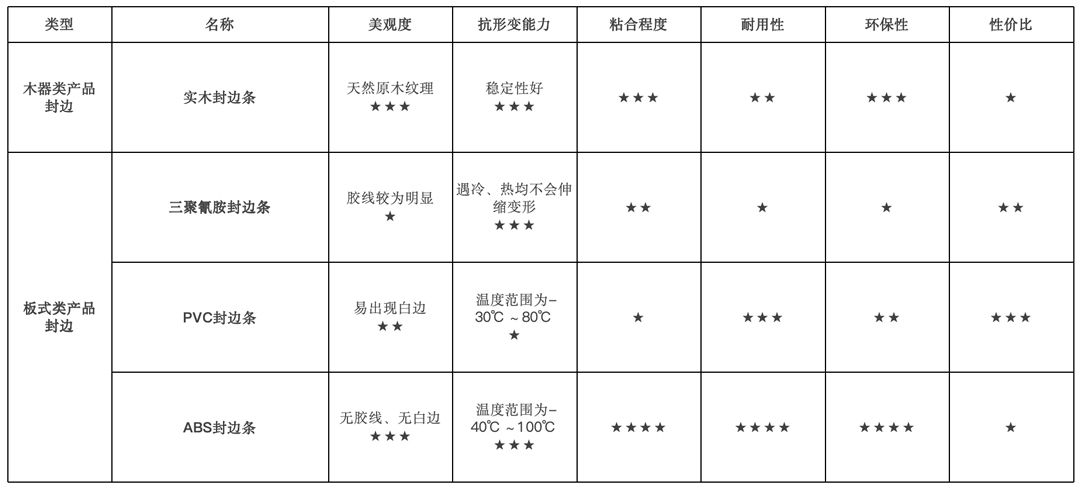
- A comparison of mainstream edge band materials:
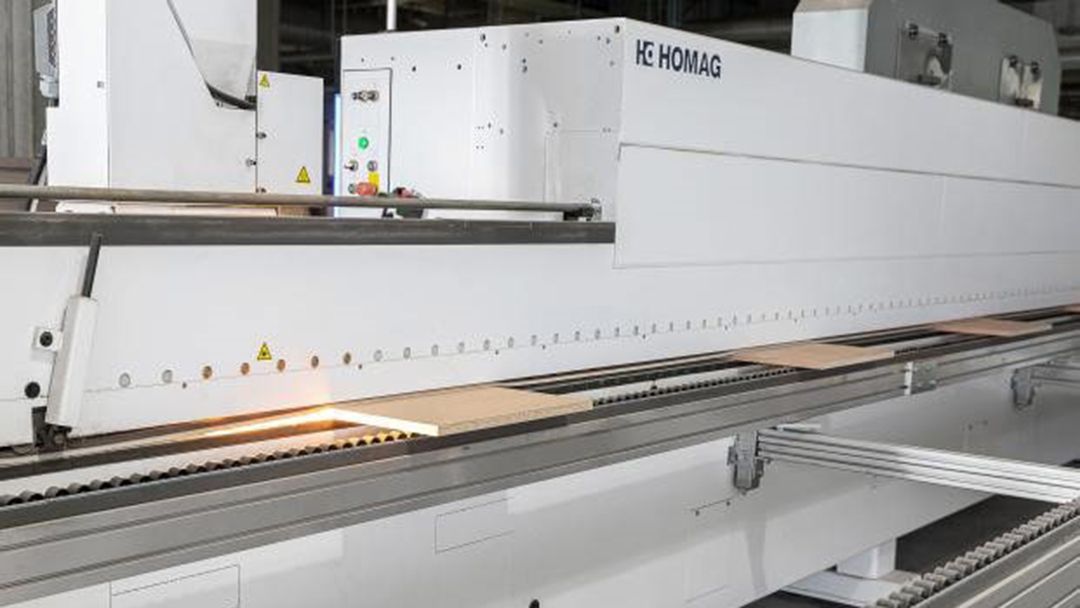
Edge banding processes generally fall into hot-melt adhesive banding (including EVA banding and PUR banding) and laser banding.
How to judge edge banding quality?
First, touch: run your hand along the banded edge. A quality band should be flat and smooth, tightly sealed, with no glue marks, no lifting, and no dark lines.
Second, ask: ask the supplier directly, “Which banding process does this product use (e.g., PUR banding or laser banding)?” This directly affects long-term durability and environmental performance.
Third, verify: you may request related test reports, such as cold–heat cycling (testing stability under temperature changes).

3. Finishing: The “Eco-Friendly Coat”—Improving Texture and Safety
Finishing is the final protective and decorative layer on furniture, directly affecting touch, appearance, and indoor air safety.
Solvent-based paint vs. water-based paint:
| Dimension | Traditional solvent-based paint | Modern water-based paint | What the difference means |
|---|---|---|---|
| Health & safety | Uses organic solvents as thinners; contains benzene, xylene, and similar compounds; high VOC emissions; harmful releases can continue for months or even years. | Uses water as the thinner; contains no organic solvents or benzene compounds; very low VOC emissions; evaporates quickly, dissipating within days to weeks. | The fundamental difference: water-based paint cuts harmful substances at the source, providing a safe, healthy environment for employees. |
| User experience | Strong, pungent odor; requires long ventilation periods; the space cannot be put into use quickly. | Only a slight odor; dries fast; the space can be used almost immediately. | Efficiency gain: water-based paint greatly shortens vacancy periods after renovation and improves space utilization. |
| Film performance | Good hardness and sealing, but the film tends to be thick with a “dull” feel and yellows over time | Clear and warm, highlighting the grain; modern products already meet standards for hardness and abrasion, with excellent yellowing resistance. | Lasting beauty: water-based furniture stays fresh-looking, keeping its good looks and feel over the long term. |
As this comparison shows, traditional solvent-based paint falls clearly short on health, safety, and usability. For office spaces that care about employee health and project timelines, high-quality water-based paint is the better choice—it more effectively safeguards environmental safety and allows the space to be used quickly.
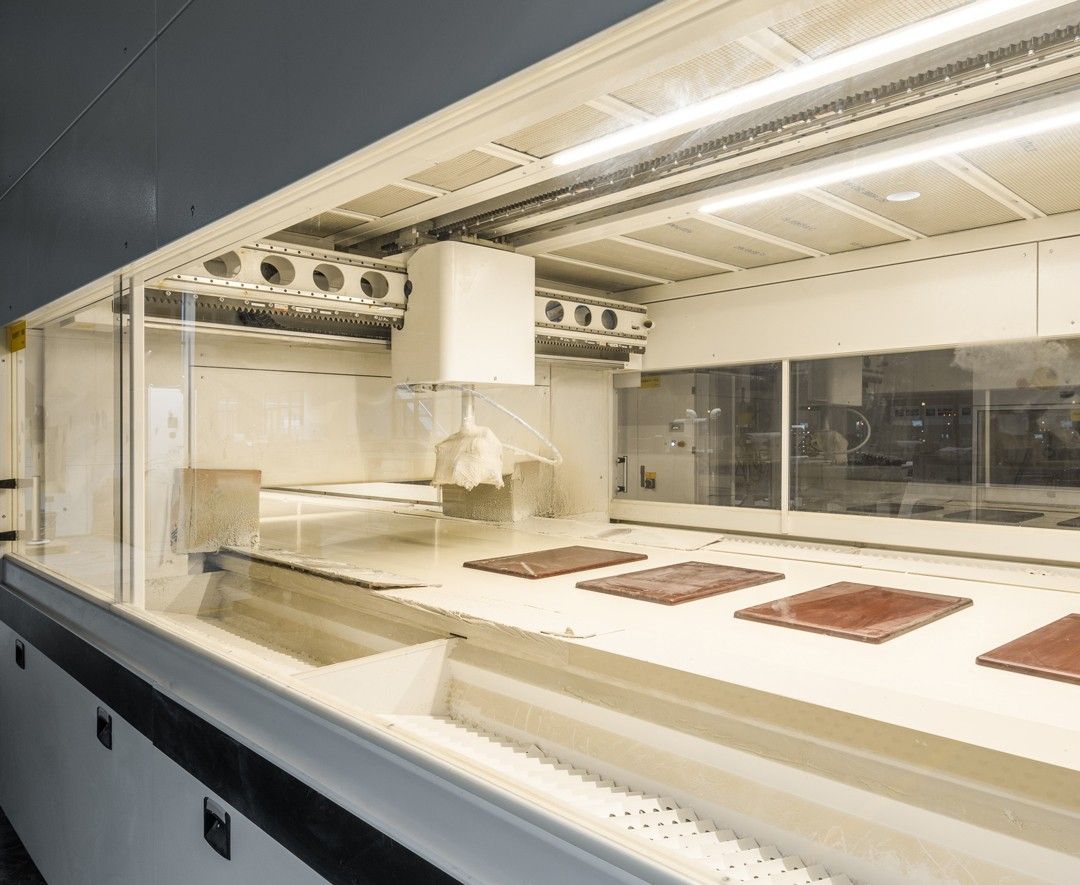
How to ensure a finish is both safe and durable?
Check the environmental safety test report: ask the supplier for a test report, focusing on limit values for harmful substances such as VOCs, benzene compounds, and formaldehyde, and confirm they comply with the relevant national standards.
Check the paint film performance test report: this report quantifies the surface's abrasion resistance, impact resistance, and cold–heat cycling performance—its “performance certificate” for lasting durability.

Summary: A Four-Step Acceptance Method
Step 1—Inspect the surface: check that it is flat with even color, and test its scratch and stain resistance.
Step 2—Feel the edges: confirm they are smooth, tight, and flawless.
Step 3—Ask about the process: nail down two key points—is the edge banding PUR or laser? Is the coating water-based?
Step 4—Verify the reports: use test reports to confirm the panel's eco rating, surface performance, edge banding strength, and finish safety.
Good craftsmanship is what allows quality panels to look their best and serve reliably over time. In office furniture purchasing, attention to details like surfacing, edge banding, and finishing is a necessary investment in durability, aesthetics, and above all a healthy long-term work environment.
You may also like
Inclusive Office Design: Optimizing Furniture for Happiness
Read More
A Fresh Office for a Complex Era
Read MoreChampioning Formaldehyde-Free Offices: Yihang's Healthy Work Mission Upgraded
Read More