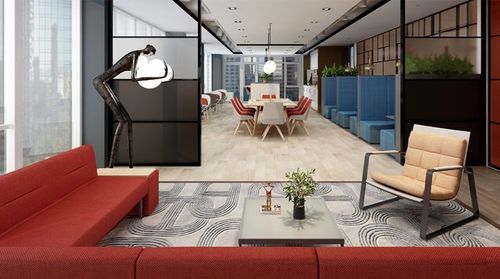
The Future Office Needs Multipurpose Spaces
Today, spaces are no longer built for just one thing; they serve different purposes throughout the day. It is time to create flexible, fun, and dynamic workspaces—single-use spaces are no longer appropriate. As work becomes more diverse, the demands on the office are changing too.
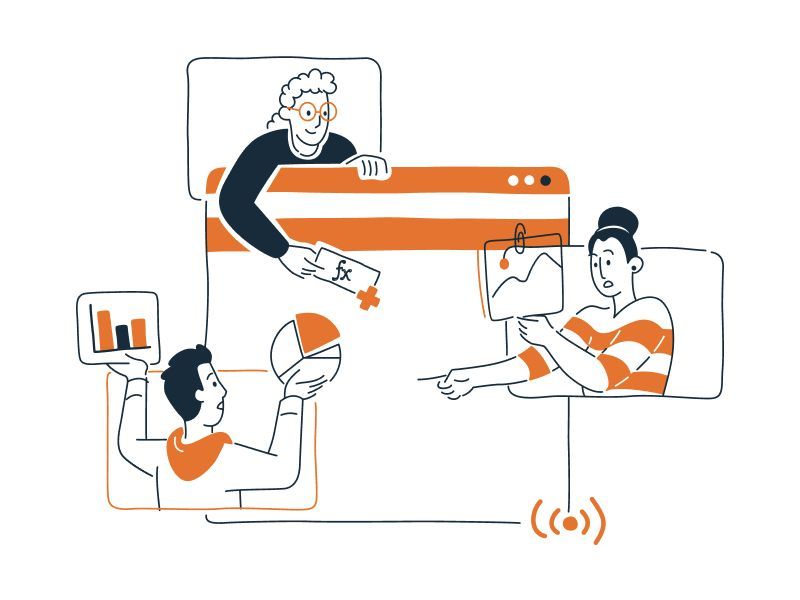
Modern offices are taking on more functions to boost employee motivation and creativity. They should be malleable and flexible, enabling everyone to deliver their best work on the task at hand. Enter multipurpose office design: a mindset that aims to apply the best elements of new strategies and established frameworks to the workplace.
Why does multipurpose design matter?
The one-size-fits-all concept is challenged by multipurpose office design, which champions exclusivity of workspaces. The idea that every employee is different and needs a particular workplace layout to be productive, engaged, and creative is backed by multipurpose design.
With fewer imposing physical barriers, the workplace becomes more adaptable. What's more, flexible office space gives you the opportunity to experiment with different workplace layouts. Employees are reported to want their offices to be more flexible, personalized, and open over the long run.
Here are some things to inspire you when creating multipurpose office spaces.
Communal spaces with multiple options
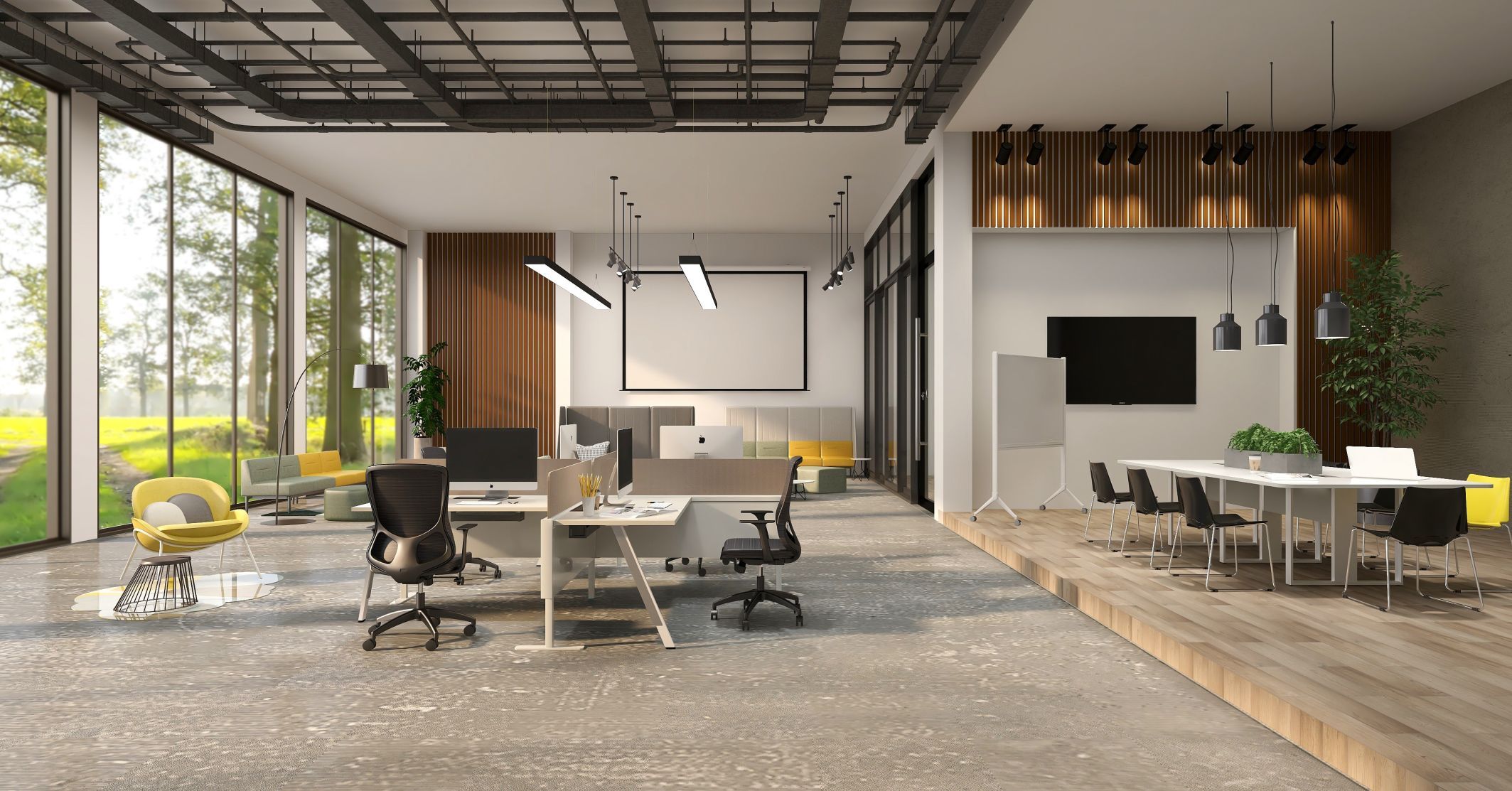
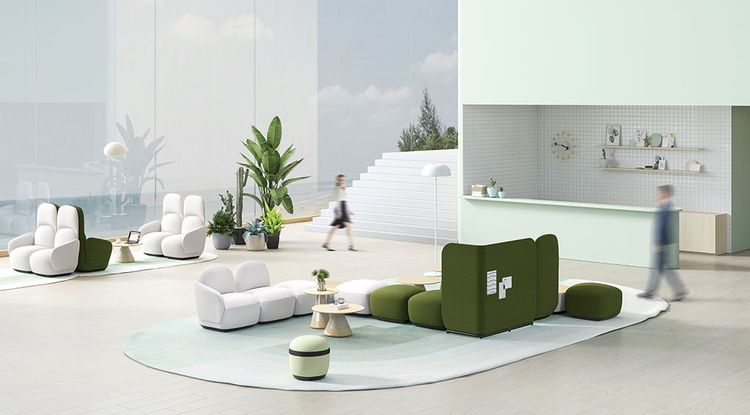
In an organization, a communal space is one used by several people at once. These places are set apart to encourage moving around, conversation, and taking a break. The monotony of a fixed furniture plan can be broken by including different workstation layouts, such as standing workstations, co-working desks, cubicles, folding tables, and meeting pods. Employees can decide, based on the type of work, whether to work together in a discussion room or alone in a focused area.

Movable dividers/partitions for quick layout changes
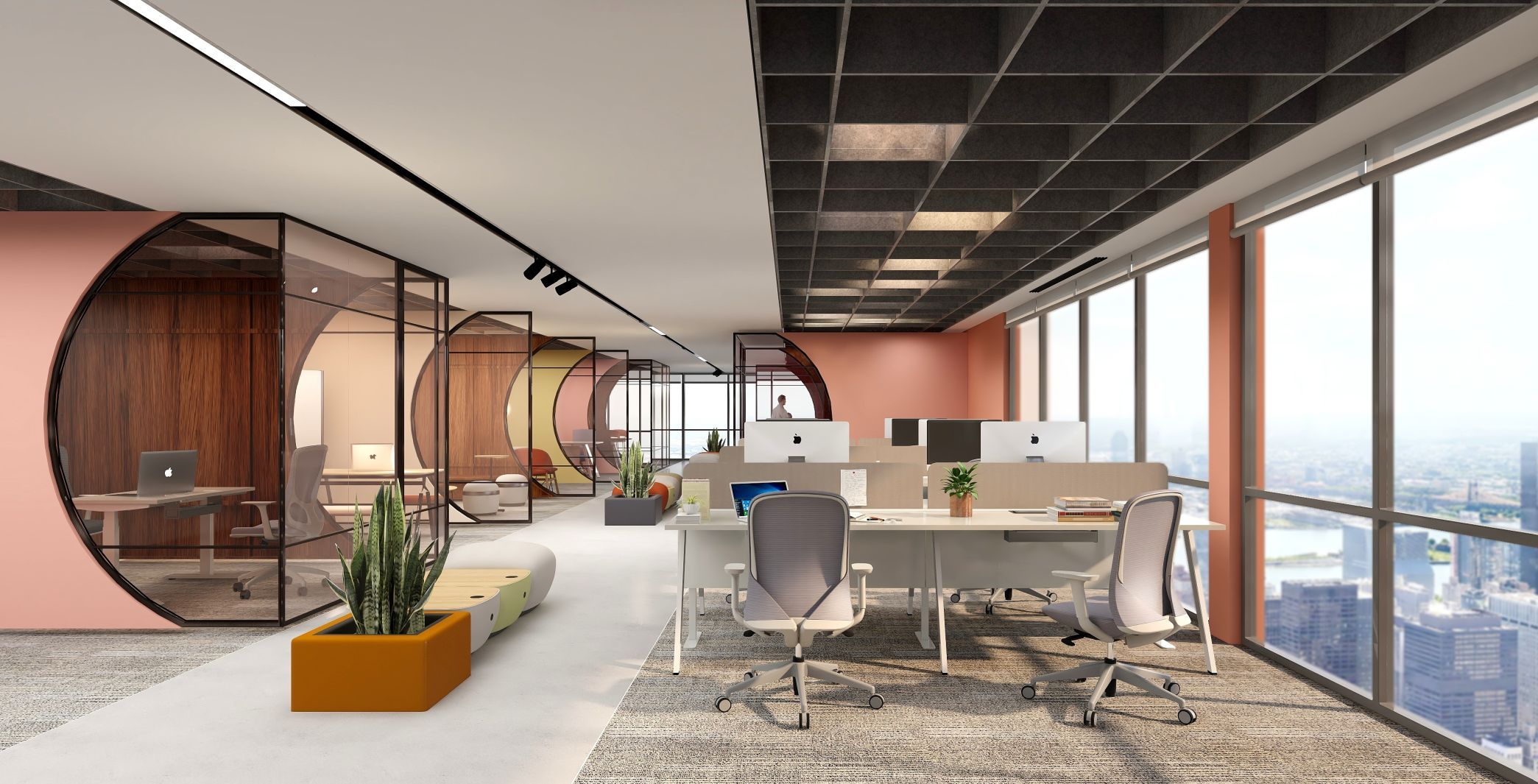
Dividers (often called partitions) can be used quickly and easily to separate workstations, split a room, or turn rooms into one larger open area. They act as very useful movable walls when splitting teams for a project, especially when teams switch regularly. For calls or conversations that need a more private setting, these partitions can also turn a place into a private zone.
Flexible technology and tools for uninterrupted work
Mobile technology solutions enable collaborative work and freer communication. Provide groups and teams with the right tech tools, a tea kitchen or lounge area, and private spots for meetings or calls. Because these devices are necessary for much of the work done, a space without them may only be partly usable, or not usable at all. Thanks to flexible technologies and tools such as wireless charging, mobile boards, projectors, and smart ambient lighting, every area of your office can become a multipurpose workspace of the future.
The coffee shop experience
The latest entry into office design is the “coffee shop atmosphere.” Coffee-shop-inspired design shows how the relaxed vibe of a neighborhood café can be brought into the workplace. Coffee shops are increasingly used for more than refreshments—working, reading, meeting, and more have all become commonplace. Similarly, an office cafeteria can be versatile, and decorative flourishes in the form of pleasing colors, artwork, and comfortable seating can help tie everything together.
Key takeaways
Office layouts are evolving to become more open, conversational, and practical. Given limited office space, the new era of office space design calls for ingenuity and versatility. With square footage at a premium, multipurpose workspace layouts help maximize the usable area. Overall, multipurpose office layouts offer advantages for employers and employees alike.
You may also like
The Evolution of Office Spaces Driven by Data
Read More
European Designer Interview: Uncovering the Fun of Office Furniture
Read More
Office Furniture Trends: Creating Dynamic Learning and Training Spaces
Read More