
Back to blog
Article
Thigh Discomfort from Sitting on an Office Chair
Admin October 10, 2026
Thigh discomfort caused by prolonged sitting on an office chair can be alleviated by adjusting the seat and sitting posture, improving blood circulation, relaxing muscles, and replacing auxiliary items. If severe symptoms occur, seek medical attention promptly.
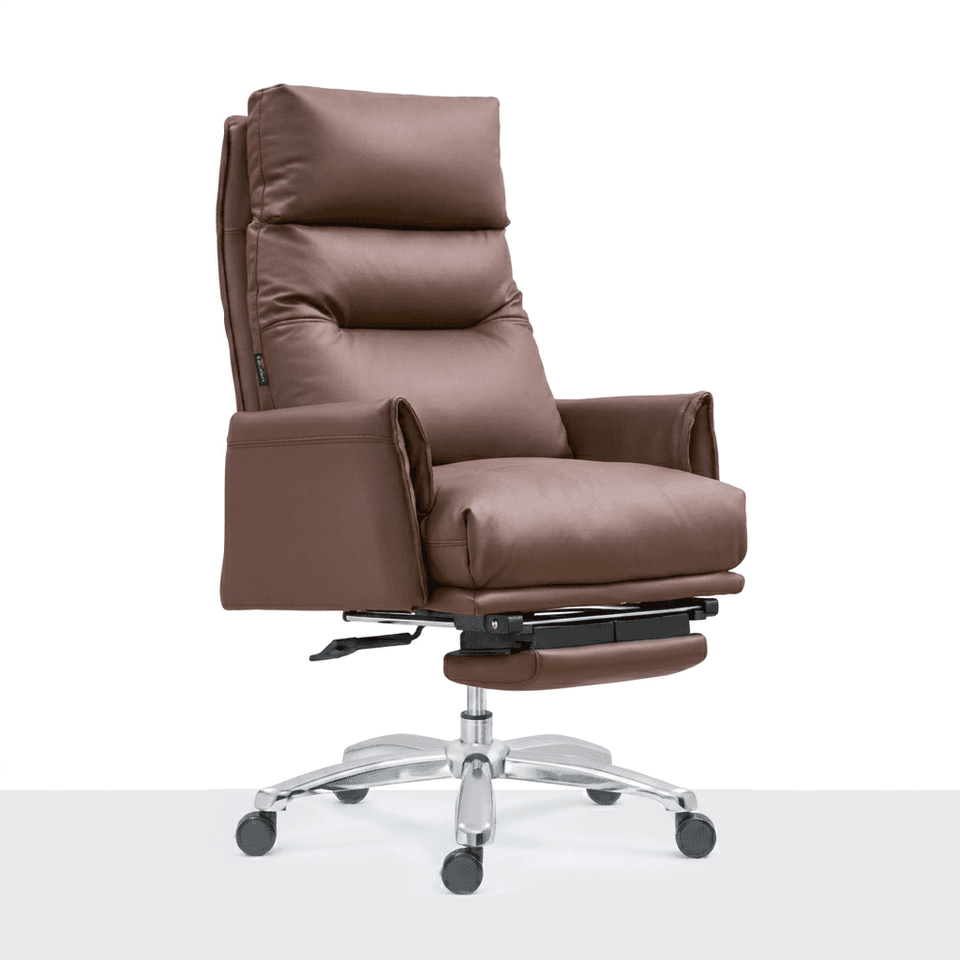
I. Adjusting the Seat and Sitting Posture
- Seat Height: Keep your feet flat on the ground, with your thighs parallel to the ground or slightly angled downward. If the chair is too high, use a footrest or extend your legs forward to avoid thigh suspension or excessive pressure.
- Seat Depth: Ensure your buttocks are fully against the backrest, leaving a 2-3 finger-width gap between the back of your knees and the front edge of the seat. Adjust the seat depth of the office chair to be shorter to fully support your thighs and reduce pressure on the hamstrings.
- Lumbar Support: Maintain the natural curve of your spine, align the lumbar support with the third lumbar vertebra, and slightly tilt your pelvis forward when leaning back. Keep your thighs at a 95-degree angle to the horizontal plane to reduce lumbar pressure.
- Proper Sitting Posture: Sit firmly with your thighs parallel to the ground, knees at about 90 degrees, and feet flat on the ground. Avoid sitting only on the front 1/3 of the chair or crossing your legs.
II. Improving Leg Blood Circulation
- Avoid Prolonged Sitting: Get up and move every 30-60 minutes, such as walking, lifting your legs, or standing on tiptoe, to promote blood return in the lower limbs.
- Use Support Tools: Adjustable footrests or low stools can reduce pressure on the back of the thighs. Wear loose clothing to avoid tight pants or belts that constrict the abdomen and thighs.
III. Targeted Muscle Relaxation
- Stretching Exercises:
- Quadriceps Stretch: Stand on one leg, bend the other leg backward, and pull the foot toward your buttocks with your hand, holding for 20 seconds.
- Hamstring Stretch: Sit with your legs straight, lean forward to touch your toes, and hold for 15 seconds; or stand with your heels on a low stool and lean forward, holding for 30 seconds.
- Hip Relaxation: Sit on a chair, place your left ankle on your right knee, and lean forward for 30 seconds before switching sides.
- Heat Therapy and Massage: Apply a hot towel to tense areas, combined with palm kneading or a foam roller to relieve muscle tension. Avoid pressing directly on bones or joints.
IV. Replacing Seats or Auxiliary Items
- Hollow Pressure-Relieving Seat Cushion: Distribute pressure on the thigh roots and reduce localized pressure.
- Waterfall-Edge Seat Cushion: The front edge of the office chair cushion is designed to curve downward, reducing the pressure area on the back of the thighs.
V. When to Seek Medical Attention
If thigh discomfort is accompanied by the following symptoms, seek medical attention immediately to rule out diseases:
- Significant swelling, redness, or heat in one thigh.
- Persistent numbness, difficulty lifting the foot when walking, or foot drop.
- A lump appears at the root of the thigh, worsening with exertion or coughing.
- Severe and persistent pain, accompanied by fever or chills.


