
Sit-Stand Alternation Is Better for Body and Mind
"Prolonged sitting and prolonged standing are both bad for your health" has become common wisdom. According to survey reports, the vast majority of people have spinal problems to some degree, mainly related to work habits. Experts warn that people who sit for long periods should watch out for spinal disorders, and recommend getting up every hour to walk around and move your hands, feet, shoulders, and neck. For those of us who sit in an office all day, alternating between sitting and standing is better for your health — and it also helps you focus and work more efficiently. So what should you pay attention to with this working model? Let's take a look:
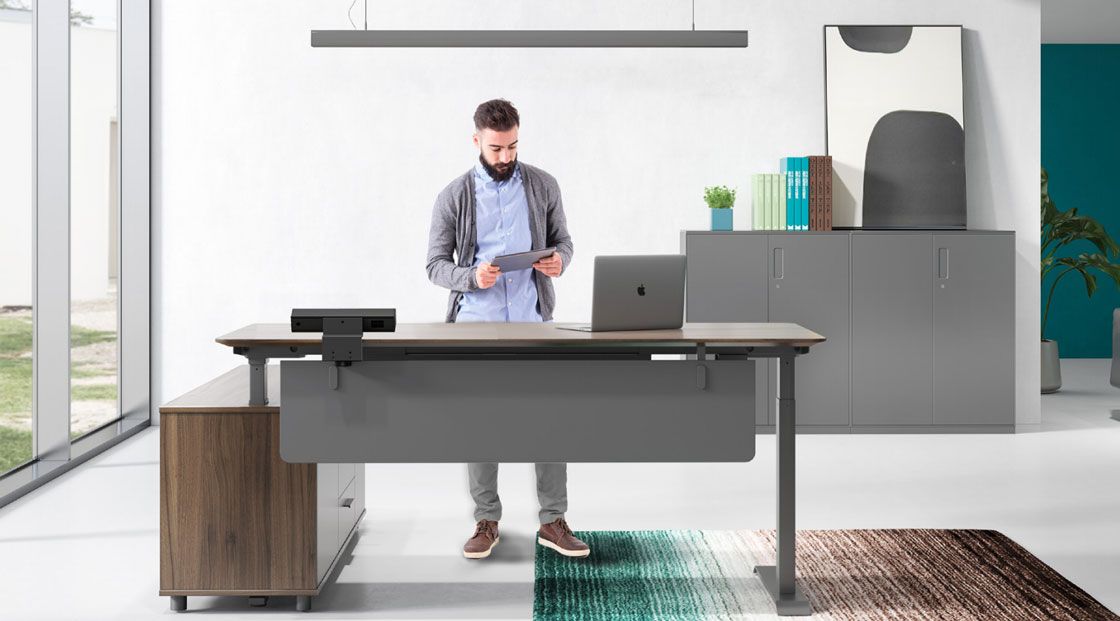
1. Sit-Stand Alternation Requires Changing Postures on a Schedule
To stay healthy, movement matters. Try setting an alarm to remind yourself to switch your working posture every 30 minutes and avoid sitting or standing too long. Alternatively, choose a smart height-adjustable desk: with its built-in automatic reminders, it alerts you to prolonged sitting and lets you change your working posture by raising or lowering the desktop.
2. Sit-Stand Alternation Means Seizing Every Chance to Stand
Whenever you get the chance to stand, take it — for example, during meetings and group discussions. If company policy allows, stand up or step outside the office to take phone calls.
3. Sit-Stand Alternation Requires Good Posture
When standing, keep your legs straight, tighten your abdomen, keep your pelvis centered, and don't stick your hips out. When sitting, keep your knees and thighs at a 90-degree angle, letting your legs hang naturally. Also, keep your monitor at eye level, and avoid hunching your shoulders while typing.
4. Sit-Stand Alternation Requires Adjusting to the Right Working Height
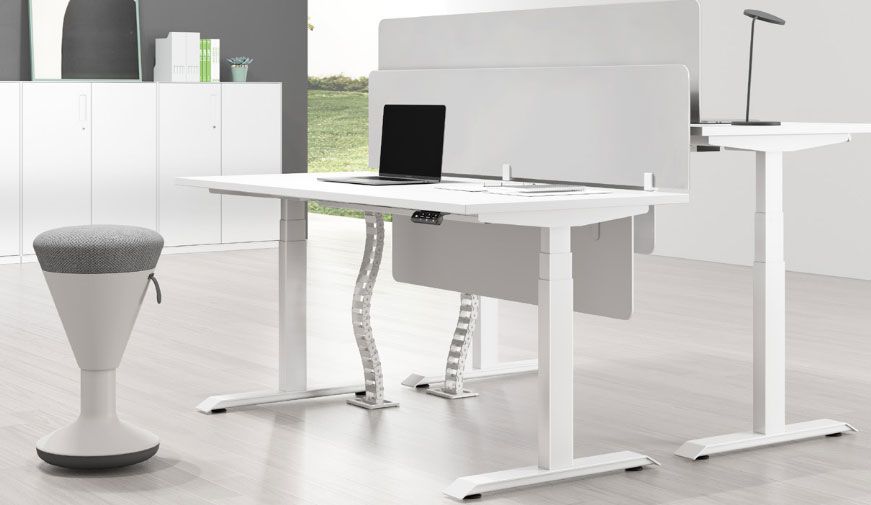
Everyone differs in height, weight, and posture, so everyone's ideal working height is different too. If the desk is too high, it prevents you from looking down but strains your shoulders and upper arms; if it's too low, pressure on your cervical spine increases. Adjust a height-adjustable desk manually until you find the desktop height that suits you best and feels most comfortable.
5. Don't Just Alternate Sitting and Standing — Add More Exercise
Research suggests that regular exercise can offset the negative effects of prolonged sitting. Adults are advised to do at least two aerobic workouts a week, 30 minutes each, plus muscle-strengthening exercise every two to three days. This also relieves muscle tension and soreness.
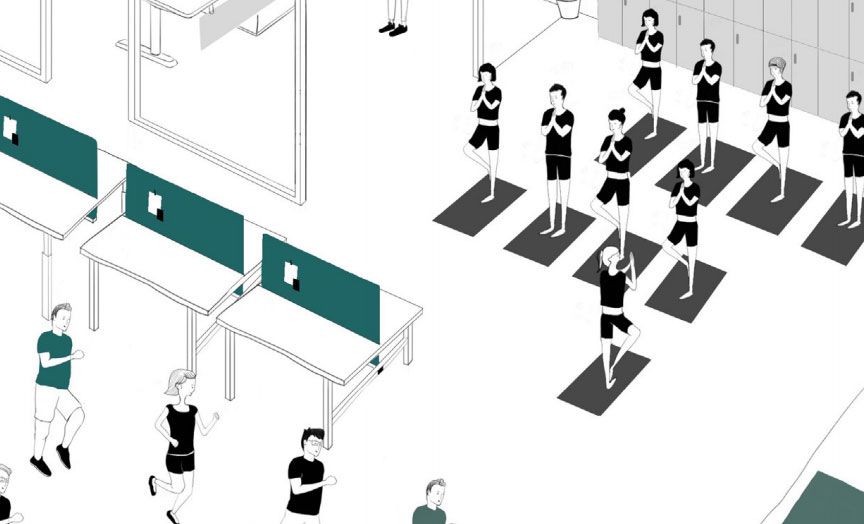
Whether sitting or standing, holding any fixed posture for too long harms your health. To work healthily, you need to vary your working posture. Keep the points above in mind and stick with proper sit-stand alternation — it helps us work in a healthier, more efficient way!