
Resimercial Offices: Blurring the Line Between Work and Home
The growing home-like quality of office design is a defining feature and trend of the internet age. The "resimercial office" concept focuses on today's mainstream open-plan work environments, emphasizing the interplay between office workers' behavior, psychological states, and the physical environment around them — and, on that basis, combining and innovating on the characteristics of office and residential settings.
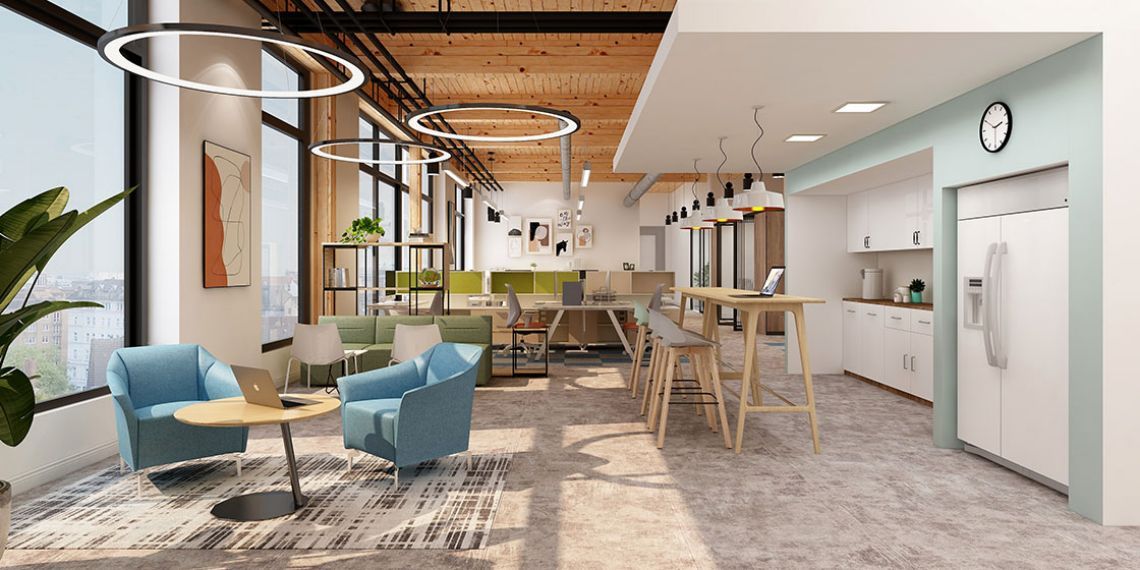
The resimercial concept advocates home-inspired design. It proposes dissolving the boundary between office and home, letting the characteristics of domestic and work settings merge, and introducing the language of home into the office — activating the work environment with the qualities of a home environment to help employees relieve stress and create a warm, natural, flowing, and balanced, home-like office atmosphere.
First: natural materials create a comfortable, home-like feel
Materials are one of the physical foundations of office furniture's form. They can be chosen from multiple angles — wear resistance, breathability, sturdiness, and more — and drawing actively on common natural materials such as wood, stone, fiber, and clay gives people a natural, warm sense of comfort.
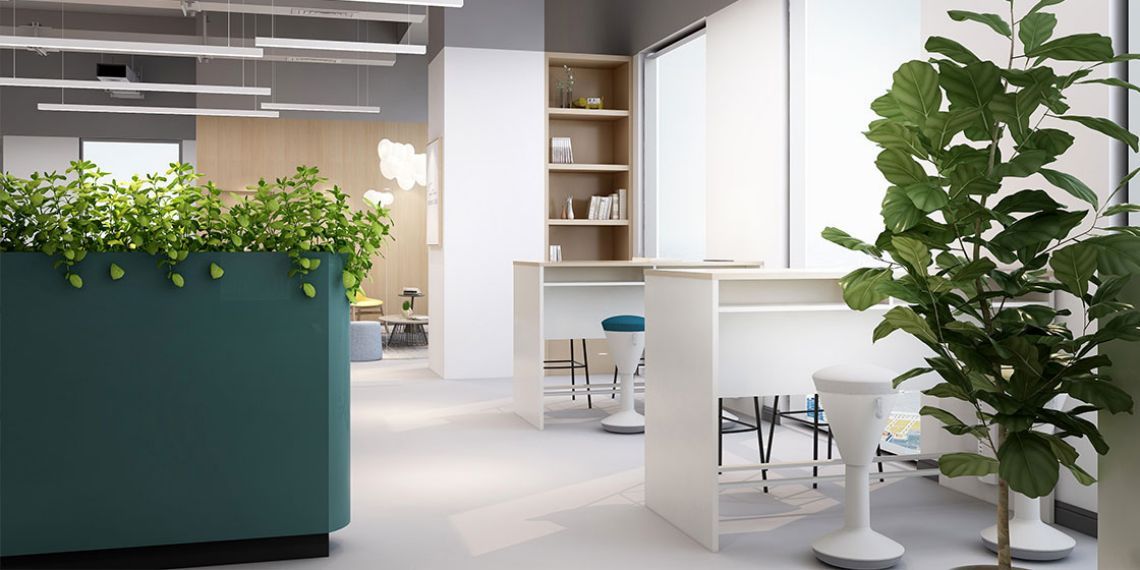
Second: clever use of color makes the office freer
Just as every workplace is unique, the use of color in design must adapt to commercial needs and expected behaviors, thoughtfully deferring to the tastes of the region. Too many colors can distract; too few can bore — so choosing the right colors matters just as much. Color theory is a subtle field, but the right choices can have a transformative impact on health and productivity.
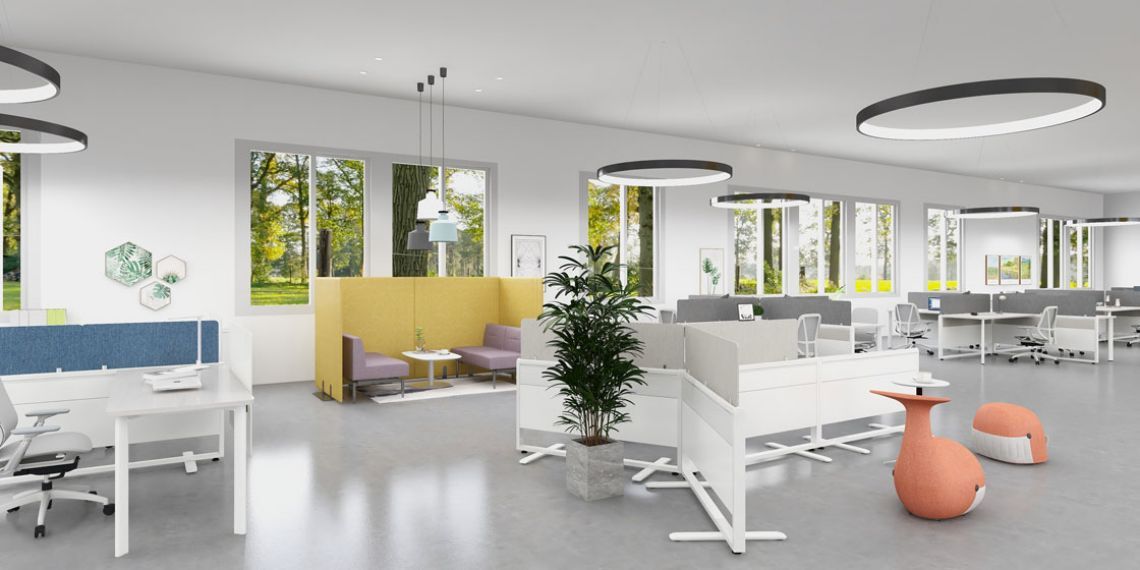
Skilfully playing the cool and warm palettes off each other creates a certain visual impact and a soothing, harmonious office experience. The calm freshness of cool tones and the energy and warmth of warm tones help busy professionals switch at any moment from intense work to a short break — relaxing the nerves and settling the mind through the balance and fusion of color contrast.
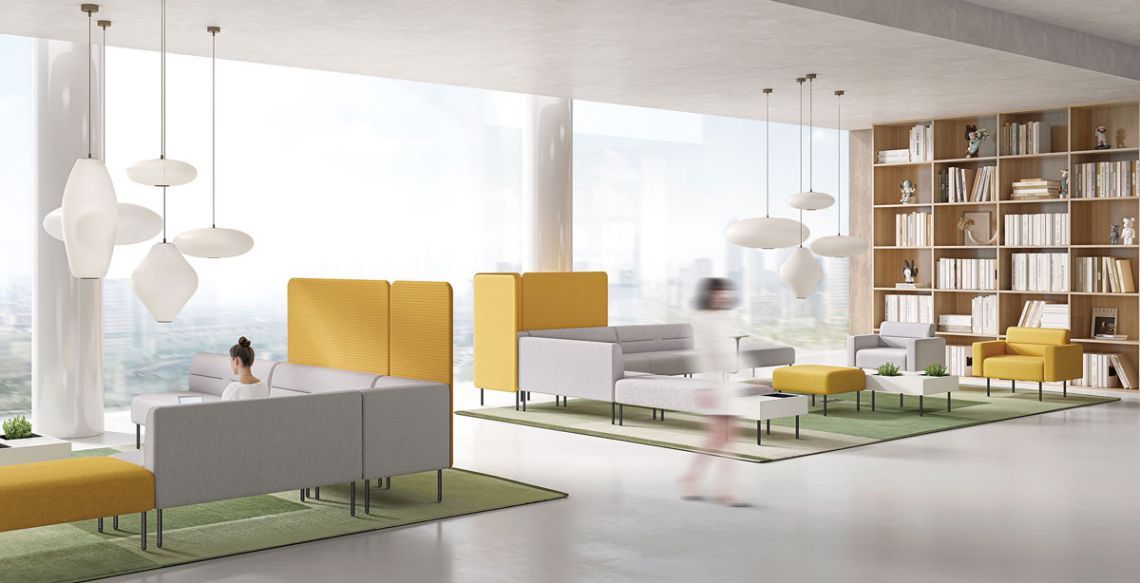
The modern office ideal is perfect communication alongside independent privacy. Color contrast can serve as a means of visual separation, shaping office spaces with distinct atmospheres and functions — offering both private, enclosed areas and full support for team communication and collaboration, and forming a workspace full of freedom.
Third: softened lines guide emotional release
Forms should favor smooth, varied lines that come closer to people's psychological need for closeness to nature, while rounding off sharp edges as much as possible to satisfy users' need for physical safety.
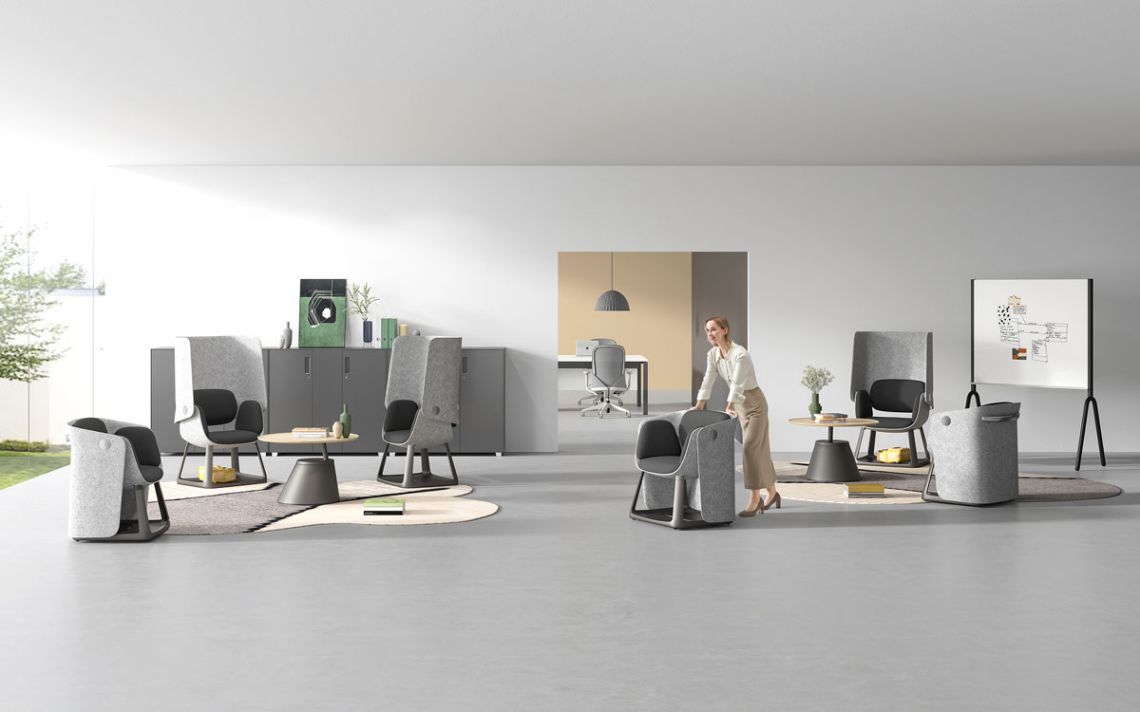
Furniture familiar from the home — sofas, coffee tables, hammocks, lounge chairs — can serve as the base prototypes for resimercial furniture design. Using home-style furniture to guide users psychologically helps them find emotional release under the weight of work.
Fourth: modular reconfiguration empowers employees
The ideal "office" is a place that empowers employees — where they have the right to choose their space, their tools, and the collaborators they need. Today, most companies in China still use a fixed-desk model, with office furniture that is neat and fixed, limited in function, and low in flexibility — restricting individuals' choices of how to work.
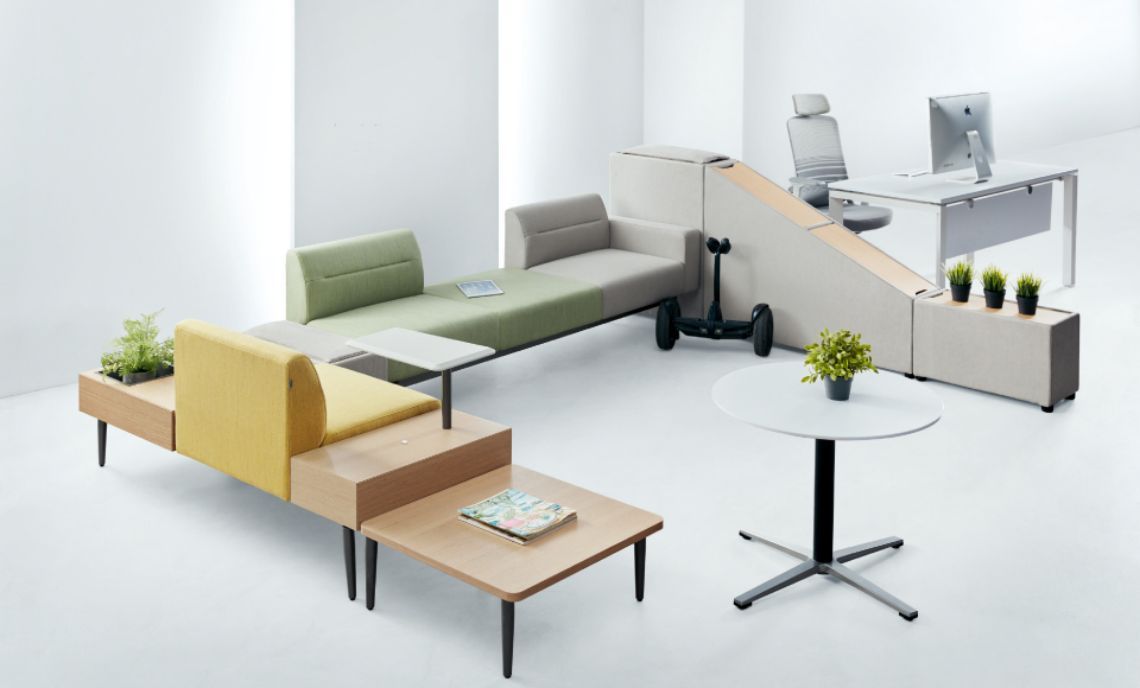
Modular office furniture — movable, reconfigurable, and combinable in function — supports employees as they switch between different work modes, satisfying both their freedom to choose how they work and the match between furniture and behavior.
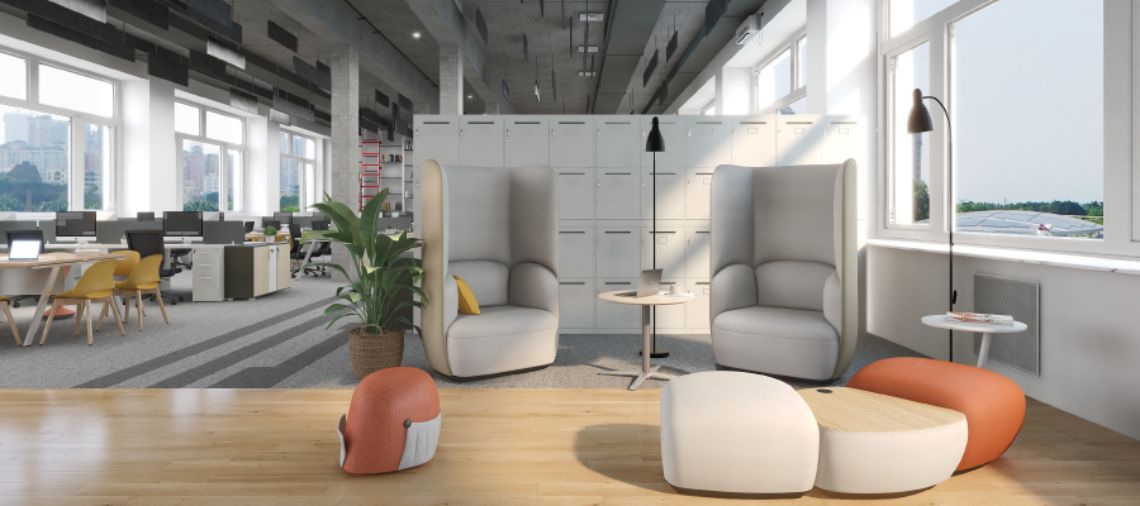
As market competition grows fiercer, companies demand greater work efficiency from employees, and the psychological pressure employees bear keeps rising. Studying how office furniture can psychologically empower the people who use it is bound to become a future design direction. Grounded in the character of the times, it guides people to pay more attention to the balance between work and life, and creates a reassuring, comfortable "resimercial" work model that feels like home — offering a new line of thinking for both unlocking teams' work potential and positively steering their emotions.
You may also like
Rethinking Work After the Pandemic: 11 Lessons from Remote Work
Read MoreChampioning Formaldehyde-Free Offices: Yihang's Healthy Work Mission Upgraded
Read More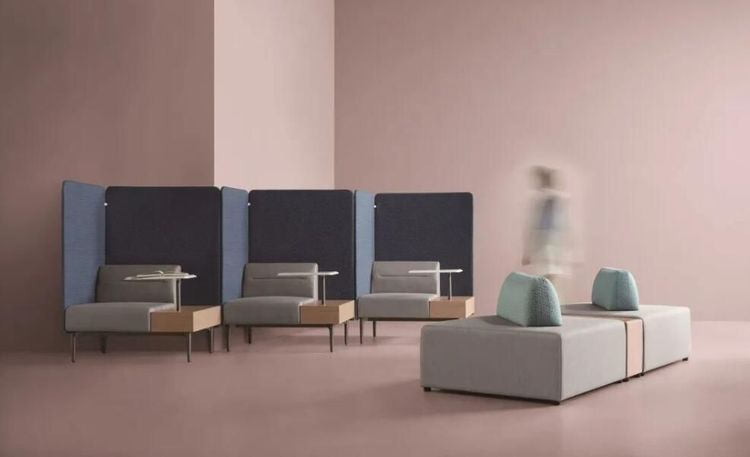
How Can Companies Strengthen Their Immunity in a Pandemic?
Read More