Reshaping the Workplace: Where Young People Want to Work
The war for young talent is in full swing. Companies that cannot adapt quickly enough to change or embrace the future of work will undoubtedly be hit. They must set themselves apart to attract and retain employees. People now find it easier than ever to change jobs, thanks to the rise of hybrid teams and organizations that let them work from anywhere.
Young Gen Zers and millennials are taking center stage in the so-called “Great Resignation.” Indeed, they are more likely to quit than older generations. Harvard Business Review states that “resignation rates were highest among employees aged 30 to 45, rising by more than 20% on average between 2020 and 2021.” Another report shows that 65% of Gen Z employees plan to resign this year. According to a survey Microsoft conducted last year, 41% of employees globally would consider changing jobs this year, and 55% believe the work environment is a factor in choosing their next job.
If companies want young employees back in the office, they need to reshape the workplace—offering people what they need and harnessing the power of shared workspaces. Physical space and culture will play the biggest role in winning the battle for young talent.
The pandemic has raised the stakes for companies seeking to retain top talent and create successful cultures. Let's look at four ideas for creating workplace experiences that can build a strong sense of belonging among young talent.
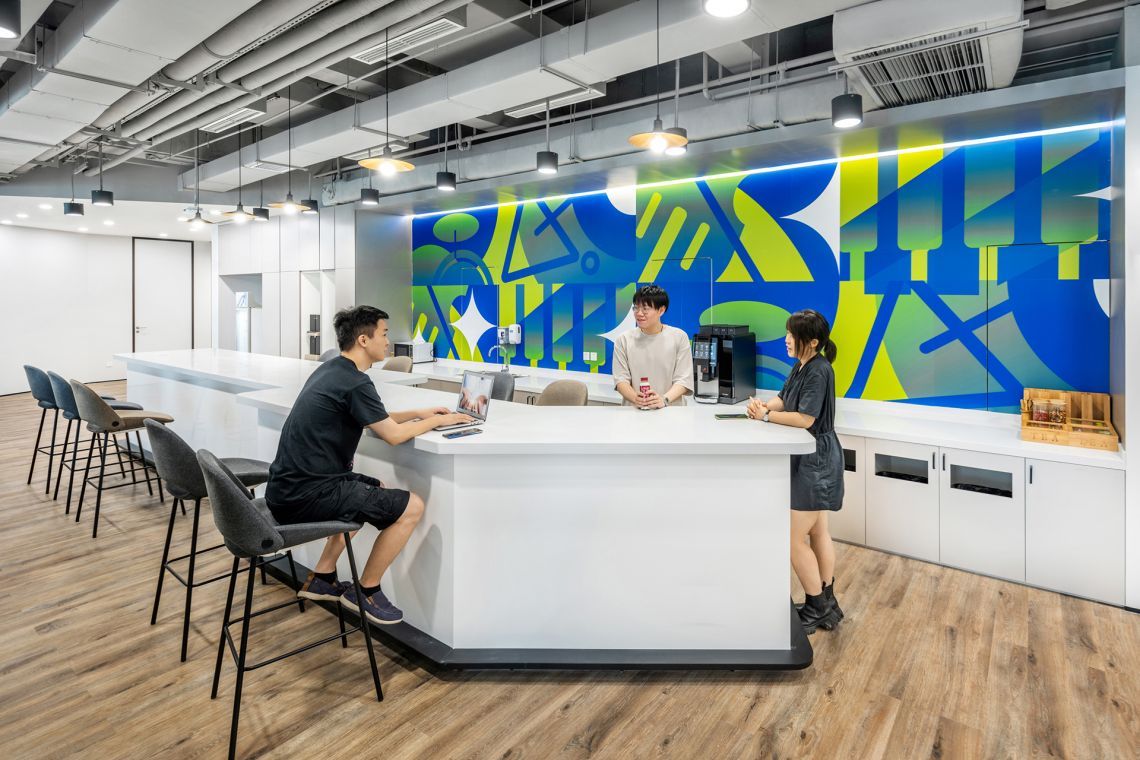
First: Make the space more attractive and fit for what people need
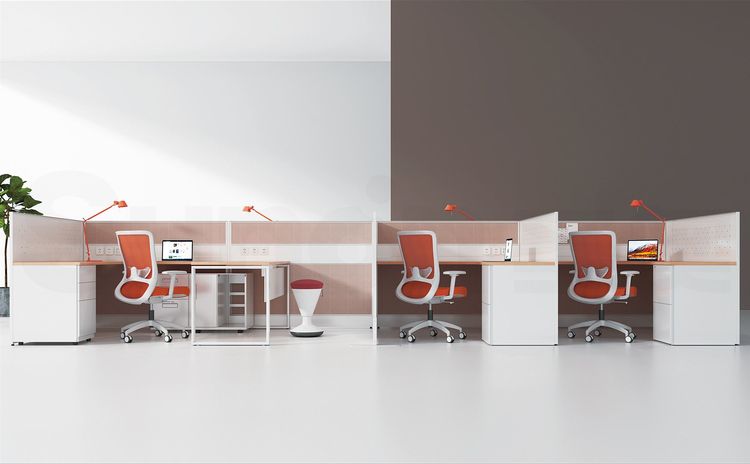
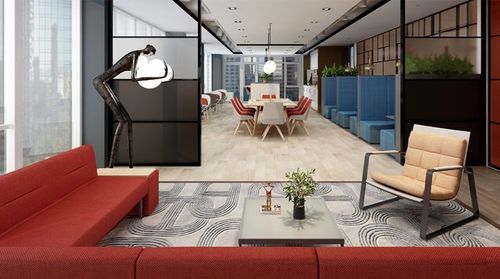
Invest in functional spaces, better workstations, and fully equipped lounges. Create a warm, pleasant space that is easy to use. Raising employees' comfort in the office calls for attention to indoor air quality, touch-free technology, and visible cleanliness. Introduce fun workplaces connected to company values or business strategy. A work environment that allows all kinds of working styles, nurtures creativity, and supports community may be the ideal way to encourage young employees. Color, light, art, and spaces to socialize with colleagues are all good ideas. Even when they work alone in a shared spot, they will feel part of a vibrant company.
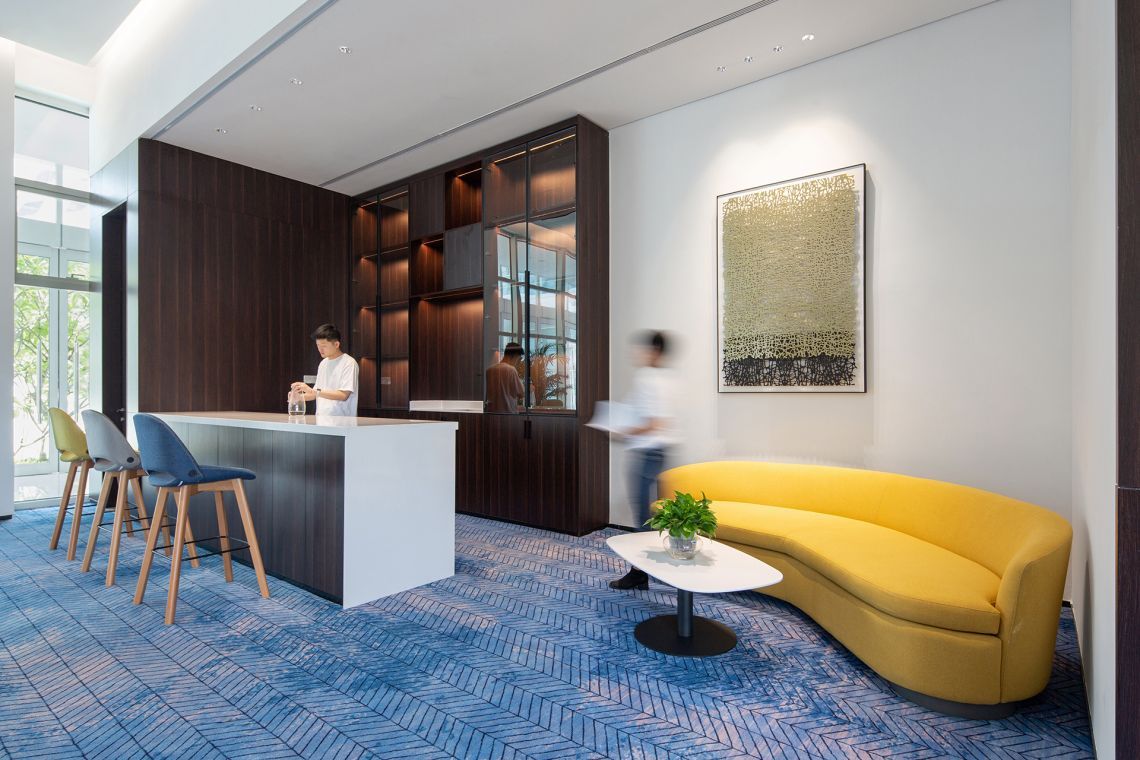
Second: Try layouts that meet people's needs
Young people want greater flexibility, better technology, and incentives—and companies must provide them. Encourage a balance of independent and collaborative work by incorporating more team-centric rooms into your floor layout. Include a variety of working styles: heads-down individual work at desks, flexible seating for when employees need a break from their desks, collaborative areas that promote focused team participation, and social lounges. Rather than renovating the entire facility, start by revamping meeting rooms, buying new team tables, or redoing the flooring.
Third: Make people feel at home with resimercial design
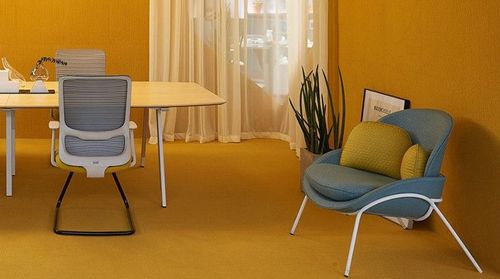
To keep the workplace from feeling dull, draw on a variety of textures and materials. This combination of finishes and colors can make the workplace feel warmer and more inviting. Aim to create an environment where employees can relax and enjoy their work. Where feasible, use a range of lighting options along with natural light. Light-colored furniture and walls, glass (where possible), and well-placed greenery can amplify natural light. Also consider using premium materials such as leather-look upholstery, wood tones, or carpeting.

Fourth: Prioritize employee satisfaction
Physical and mental health issues have always mattered, especially among younger generations. Working from home has been linked to musculoskeletal disorders, depression, anxiety, social isolation, and declining well-being. According to a new Gallup survey, well-being and engagement are mutually beneficial and influence each other. Workplaces that promote well-being also contribute to better mental health and higher engagement.
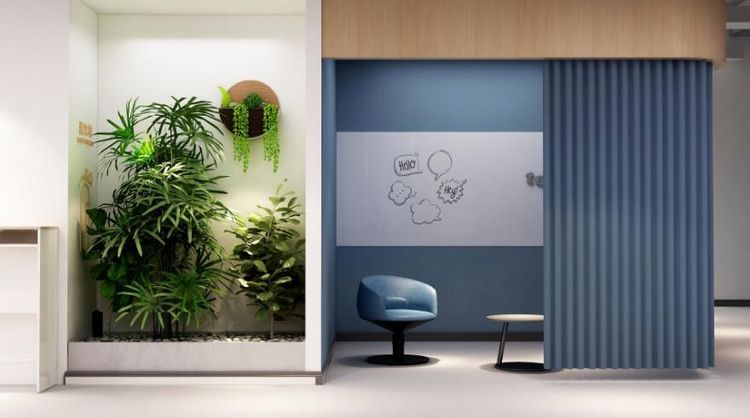
People want spaces that promote their well-being, so you need to include areas where people can reset and recharge during the day. When recruiting and retaining young talent, provide sunlight and biophilic or natural features, ergonomic furniture, or wellness spaces for emotional support, making sure to care for employees' physical and mental health.