Open Offices Aren't a Cure-All: Techniques for Efficient Work
Open-plan workplaces are gaining popularity and becoming a booming trend. Bringing everyone together in one big space would seem to promote collaboration and growth, and the advantages may look obvious, but in reality many problems have emerged. This article examines the current state of the open-plan office, discusses its potential, and considers how to solve its problems.
1. The current state of the open-plan office and its problems
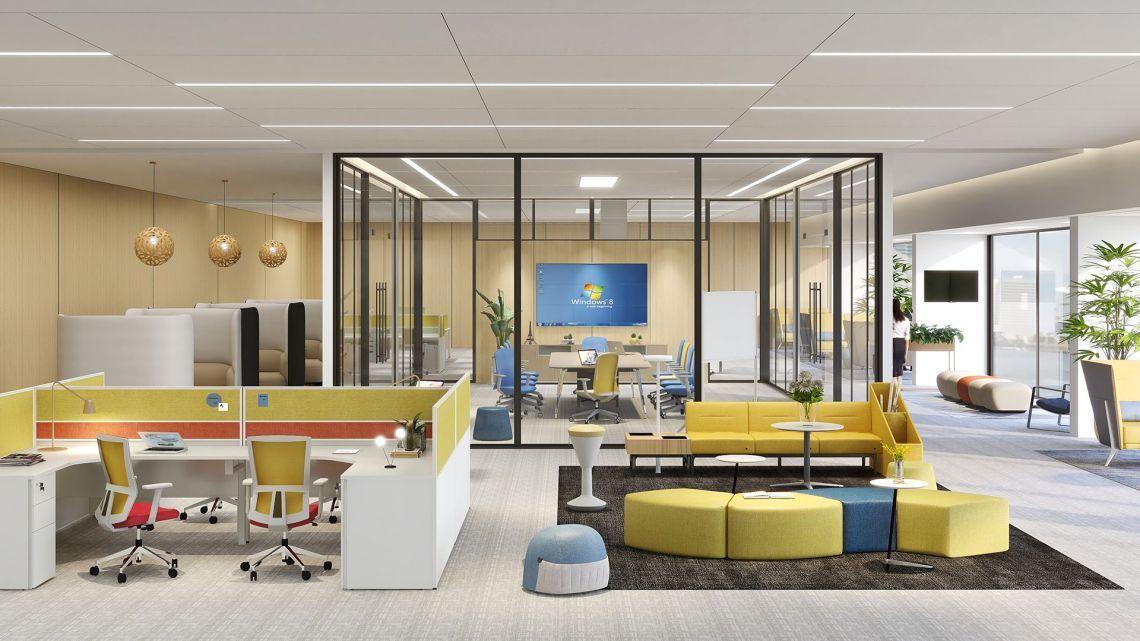
In an open-plan workplace, employees can sit side by side at their desks without any form of partition. Solid walls and barriers have been removed to improve teamwork. Although the workplace may seem randomly arranged, the location of each desk cluster is planned around employees' work and daily lives. The open-plan office not only gives companies more usable space; employees also take up less of it. It looks like a win-win for the company.
Unfortunately, however, many employees have experienced the well-known, widespread drawbacks of the open-plan work environment, including loss of privacy, distraction, and communication problems. In fact, a growing body of evidence seems to support this view:
• Open-plan offices lack privacy.
• Open-plan offices lead to lower job satisfaction.
• Open-plan offices may reduce productivity.
• Open-plan offices may reduce face-to-face interaction.
2. What lies behind the problems of open-plan offices?
Why does this happen? The widely accepted hypothesis is that employees in open-plan offices build a "wall" around themselves—a simple technique for avoiding distractions and focusing on work. When employees find it hard to concentrate on their own work, they are less likely to want to communicate and collaborate with others.
Over time, open-plan workplaces have kept shrinking and becoming more and more crowded. This means individuals are surrounded by more distractions and have less personal space. The biggest problem with the open-plan office is the lack of privacy. Especially for introverts, the feeling of being watched and overheard keeps them from speaking their minds freely and adds to their stress.
According to research, 82% of employees say a hybrid work environment has improved their well-being and motivation. In offices built for hybrid work—with sufficient visual and auditory privacy and equipped with the right tools and technology—employee well-being will rise. Happier employees work harder and achieve more.
3. How can an open-plan office better support work?
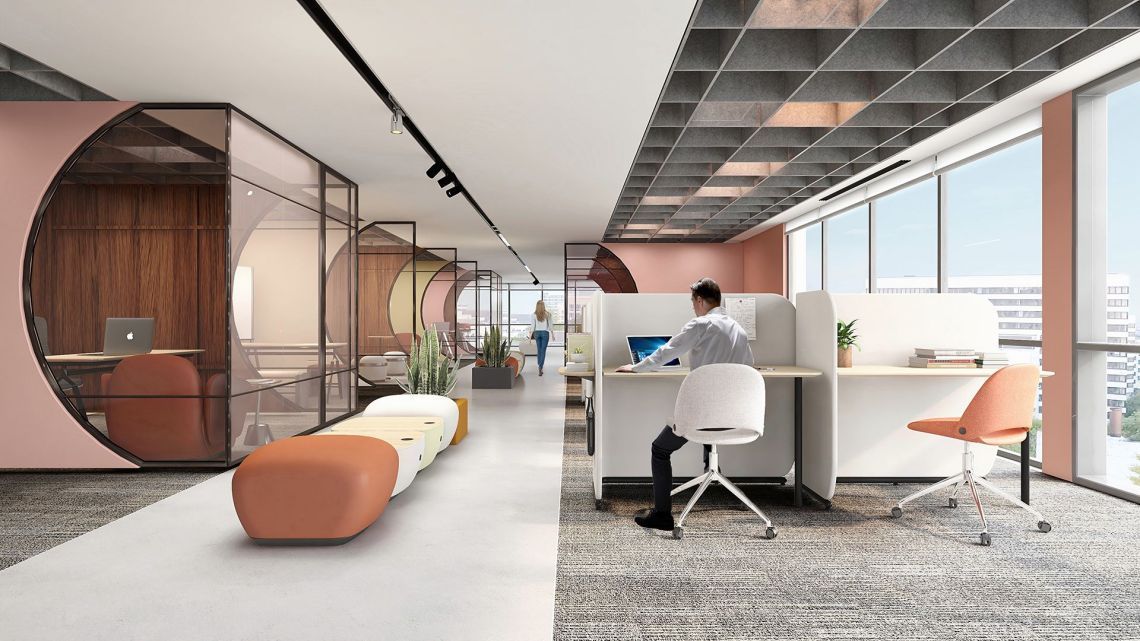
Creating a mixed-layout workplace with different zones for different activities may be a suitable choice. Here are some initiatives worth trying:
1. Focus spaces
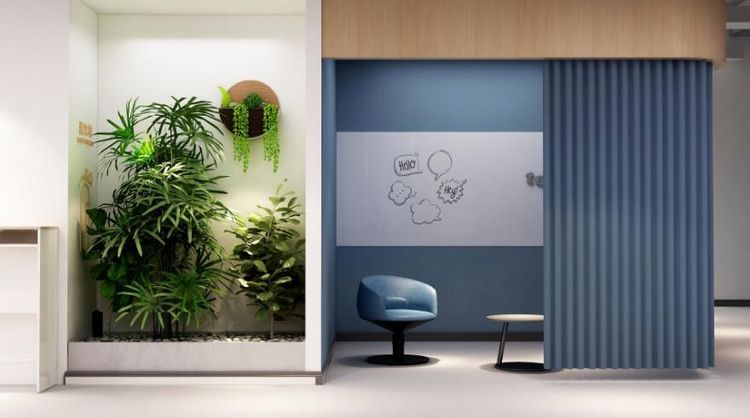
A noise-free workspace with individual corners and comfortable chairs for focused work. This area is designed as a shared office that anyone can visit to find calm and concentration while minimizing the chances of being interrupted.
2. Social hubs
A communal dining area that combines food and conversation in the workplace. The goal is to give everyone a place to gather, with the chance to meet people from different teams and departments and spark new ideas.

3. Lounge areas
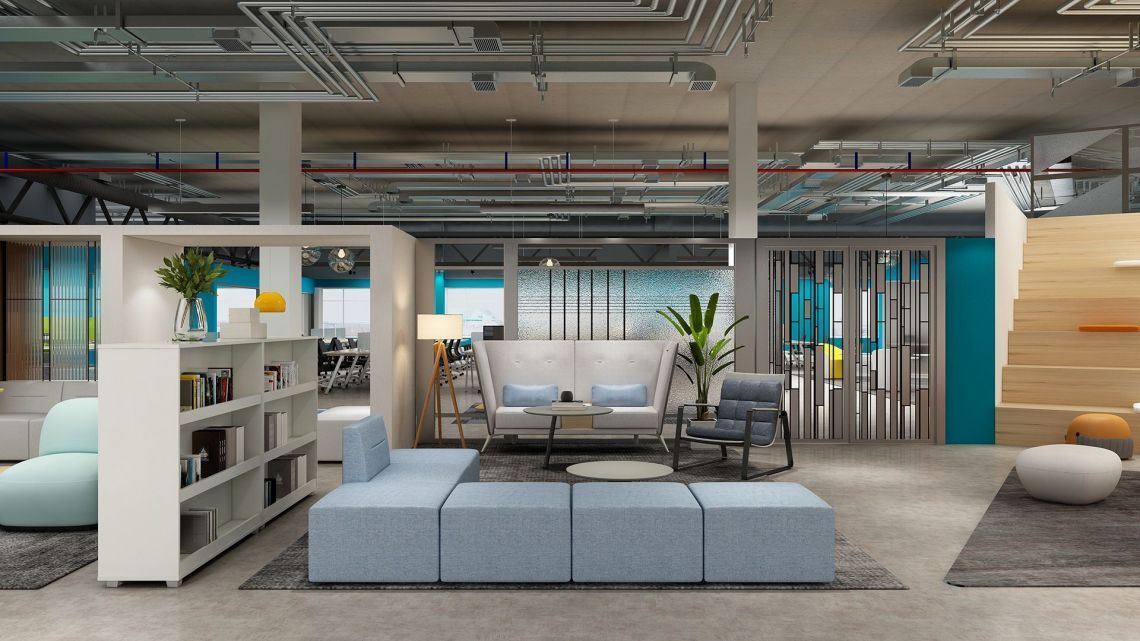
People are encouraged to pause here for a little while, as in a transit zone. After a meeting ends, instead of returning to the work area right away, colleagues can continue their discussion here. With side tables, lounge chairs, and sometimes phone booths, an ordinary office corridor can serve as a simple social space.