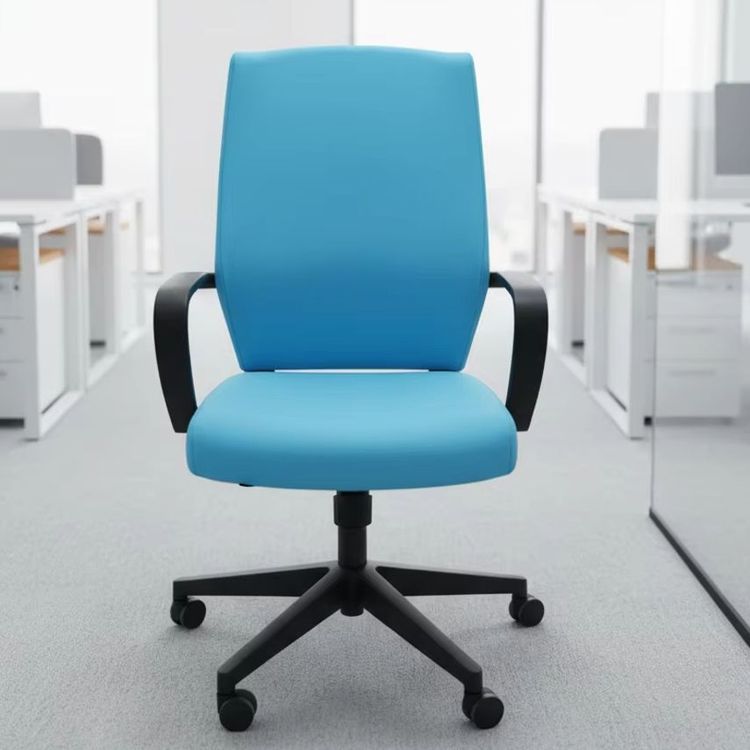
Office Chair Wood Assembly: Tools & Common Problems
The tools required for assembling a wooden office chair mainly include screws, washers, and accessories, with common issues involving stability, structural failures, and health hazards.

Tool Requirements
The assembly tools for wooden office chairs vary depending on the specific model. For example, the 2018A office chair requires various screws (such as H, P, and K types), washers (such as K, O, L, and H types), and accessories (such as J and L types). These parts are usually included with the product and are used to secure the chair legs, backrest, and other structures. If the product uses wood or sustainable materials (such as FSC-certified forest management materials), like the EXCEBET Big and Tall Office Chair, the assembly tools may be slightly adjusted due to design differences, but they generally still rely on basic tools such as screwdrivers and wrenches. It is important to note that some products may not clearly indicate the types of tools required, so it is recommended to carefully read the instructions or contact the manufacturer for confirmation before assembly.
Common Issues
Insufficient Stability According to inspections by the State Administration for Market Regulation, 15 batches of office chairs failed to meet stability standards due to design or material defects, resulting in issues such as chair legs sliding easily and tilting under weight. These problems may be caused by loose screws, inconsistent leg lengths, or insufficient wood strength, requiring a focus on checking the firmness of connection points.
Structural Failure Risks In recall cases, backrest breakage (such as the 2023 recalls in the US and Canada) and bolt failures (such as the 2025 recall in the US) are major hazards. Wooden backrests using jointed construction may crack due to poor gluing or prolonged stress; bolts without washers or with insufficient torque may loosen and fall off, posing a risk of falls.
Health Hazards Poorly designed seats (such as those that are too low or have a backrest angle that is too straight) can exacerbate lumbar pressure, potentially causing pain with long-term use. Additionally, if the wood surface is not treated to prevent splintering, it may scratch the skin. It is recommended to prioritize products that are ergonomically designed, have passed safety certifications, and to regularly check the tightness of screws.
Precautions
Before assembly, verify the parts list to avoid omissions; control torque when using an electric screwdriver to prevent wood cracking; if structural looseness or unusual noises occur, stop use immediately and contact after-sales service.